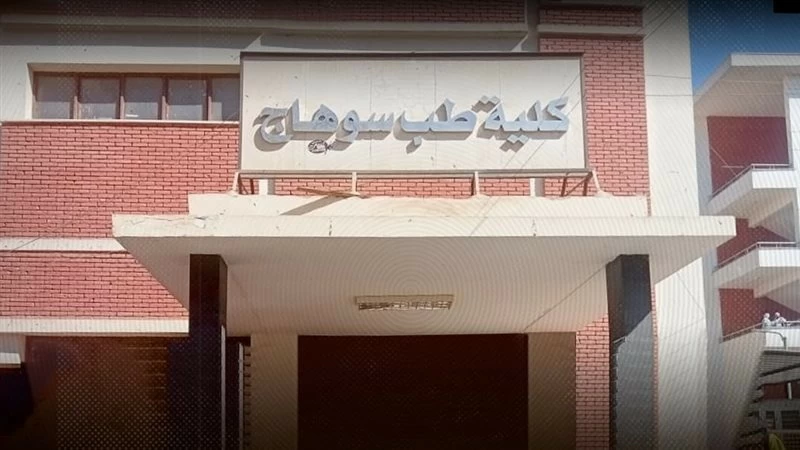
أعادت نتائج الفرقة الأولى بكليات الطب في عدد من جامعات صعيد مصر فتح باب الجدل حول مستوى الطلاب المقبولين بكليات القمة، بعدما كشفت نسب نجاح منخفضة مقارنة بالسنوات الدراسية التالية، في وقت تؤكد فيه إدارات الجامعات أن الامتحانات تخضع لمعايير أكاديمية ثابتة وأن النتائج تعكس مستوى التحصيل العلمي للطلاب.
وأعلنت جامعة سوهاج اعتماد نتيجة الفرقة الأولى بكلية الطب البشري للعام الجامعي الحالي، بنسبة نجاح بلغت 51.03%، مقابل 48.97% من الطلاب لم يتمكنوا من اجتياز الامتحانات، وذلك عقب الانتهاء من أعمال التصحيح والمراجعة ورصد الدرجات، وفق ما وصفته الجامعة بأعلى معايير الجودة والاعتماد الأكاديمي.
وأكدت الجامعة أن النتائج خضعت لمراحل دقيقة من المراجعة والتدقيق لضمان حصول كل طالب على حقه الكامل، مشددة على أن منظومة الامتحانات والتقييم لم تشهد أي تغييرات.
وفي المقابل، سجلت الفرقة الثانية بكلية الطب بجامعة سوهاج نسبة نجاح مرتفعة بلغت 94.76%، وهو ما أظهر فجوة كبيرة بين نتائج الفرقتين، وأعاد النقاش حول طبيعة السنة الأولى باعتبارها المرحلة الأكثر تحدياً لطلاب الطب.
وقال عميد كلية الطب البشري بجامعة سوهاج الدكتور محمد نصر الدين ثابت إن انخفاض نسبة النجاح لا يرتبط بصعوبة الامتحانات، وإنما يعكس مستويات الطلاب، موضحاً أن الاختبارات تُعد وفق معايير أكاديمية ثابتة، وتخضع لمراجعة وحدة القياس والتقويم بالكلية قبل اعتمادها.
وأضاف في تصريحات صحفية، أن ورقة الامتحان تتضمن مستويات مختلفة من الأسئلة، تبدأ بالحد الأدنى المطلوب لاجتياز المقرر، وصولاً إلى أسئلة مخصصة لقياس مستويات الطلاب المتفوقين، بما يضمن التمييز بين مختلف المستويات الأكاديمية.
وأوضح أن انخفاض نسب النجاح في الفرقة الأولى ليس ظاهرة جديدة، بل تكرر خلال الأعوام الماضية، لافتاً إلى أن نتائج عام 2025 شهدت رسوب 46.2% من طلاب الفرقة الأولى، وهو ما يعكس تفاوت مستويات الدفعات مع ثبات منظومة التقييم.
وأشار عميد الكلية إلى أن الطلاب الراسبين يمكنهم دخول امتحانات الدور الثاني، بما قد يرفع نسبة النجاح النهائية، كما يحق لهم التقدم بتظلمات وفق اللوائح المنظمة.
وأكد أن نظام الدراسة في كليات الطب يعتمد على نظام الساعات والنقاط الدراسية، وليس على عدد المواد التي رسب فيها الطالب، إذ يتحدد انتقاله إلى الفرقة التالية وفق إجمالي النقاط المتبقية عليه، وهو نظام مطبق في جميع كليات الطب المصرية.
وفي تفسيره لارتفاع نسبة النجاح بالفرقة الثانية، أوضح ثابت أن الطلاب الذين اجتازوا السنة الأولى يمثلون الشريحة التي تمكنت بالفعل من تجاوز المرحلة الأصعب، وهو ما ينعكس طبيعياً على نتائجهم في السنوات التالية، مؤكداً أن ثبات نسب النجاح المرتفعة في الفرق الأعلى يعكس استقرار منظومة الامتحانات.
تفاوت في نتائج طب أسيوط
ولم تكن جامعة سوهاج وحدها التي سجلت نسب نجاح منخفضة في الفرقة الأولى، إذ أظهرت بيانات وتقارير محلية أن كلية الطب بجامعة أسيوط حققت خلال العام الجامعي الحالي نسبة نجاح بلغت نحو 56% مقابل 44% رسوب.
كما شهدت الكلية تفاوتاً ملحوظاً خلال السنوات الماضية؛ ففي العام الجامعي 2023/2024 بلغت نسبة النجاح 37.7% فقط، بينما سجلت في عام 2023 نحو 63.5%، وهو ما يعكس استمرار التذبذب في نتائج الفرقة الأولى من عام إلى آخر.
جدل متجدد حول الثانوية العامة
وأعادت هذه النتائج طرح تساؤلات متكررة بشأن مدى كفاية مجموع الثانوية العامة كمؤشر لقياس قدرة الطلاب على دراسة الطب، خصوصاً مع استمرار انخفاض نسب النجاح في السنة الأولى ببعض كليات الطب.
ويرى خبراء تربويون أن الفجوة بين نتائج الثانوية العامة والأداء الجامعي تستحق مزيداً من الدراسة، بينما تؤكد إدارات الجامعات أن معايير التقييم الأكاديمي ثابتة، وأن النجاح يعتمد في المقام الأول على قدرة الطالب على التكيف مع طبيعة الدراسة الجامعية ومتطلباتها، وليس على مجموع الالتحاق بالكلية وحده.
The results of the first year students in the faculties of medicine at several universities in Upper Egypt have reignited the debate about the level of students admitted to prestigious colleges, after revealing low success rates compared to subsequent academic years. This comes at a time when university administrations assert that examinations adhere to fixed academic standards and that the results reflect the academic achievement level of the students.
Sohag University announced the approval of the first-year results for the Faculty of Human Medicine for the current academic year, with a success rate of 51.03%, while 48.97% of the students were unable to pass the exams, following the completion of the correction, review, and grading processes, which the university described as adhering to the highest standards of quality and academic accreditation.
The university confirmed that the results underwent precise stages of review and auditing to ensure that each student received their full rights, emphasizing that the examination and evaluation system did not witness any changes.
In contrast, the second-year students at the Faculty of Medicine at Sohag University recorded a high success rate of 94.76%, which highlighted a significant gap between the results of the two years and reignited the discussion about the nature of the first year as the most challenging phase for medical students.
The Dean of the Faculty of Human Medicine at Sohag University, Dr. Mohamed Nasr El-Din Thabet, stated that the low success rate is not related to the difficulty of the exams but rather reflects the levels of the students. He explained that the tests are prepared according to fixed academic standards and are subject to review by the Measurement and Evaluation Unit at the college before being approved.
In press statements, he added that the exam paper includes different levels of questions, starting from the minimum required to pass the course, up to questions designed to measure the levels of outstanding students, ensuring differentiation between various academic levels.
He clarified that the low success rates in the first year are not a new phenomenon but have recurred over the past years, pointing out that the results of 2025 saw a failure rate of 46.2% among first-year students, which reflects the disparity in levels among cohorts despite the stability of the evaluation system.
The dean noted that failing students can take the second-round exams, which may raise the final success rate, and they have the right to submit grievances according to the governing regulations.
He confirmed that the study system in medical colleges relies on a credit hour and points system, not on the number of subjects in which the student failed, as their transition to the next year is determined by the total points remaining, a system applied in all Egyptian medical colleges.
In explaining the high success rate in the second year, Thabet indicated that the students who passed the first year represent the group that has indeed managed to overcome the most challenging phase, which naturally reflects on their results in subsequent years, affirming that the stability of high success rates in higher years reflects the stability of the examination system.
Disparity in Results at Assiut Medical School
Sohag University was not the only institution to record low success rates in the first year, as local data and reports showed that the Faculty of Medicine at Assiut University achieved a success rate of about 56% for the current academic year, with a 44% failure rate.
The college also witnessed significant fluctuations over the past years; in the academic year 2023/2024, the success rate was only 37.7%, while it recorded about 63.5% in 2023, reflecting the continued variability in the results of the first year from one year to another.
Renewed Debate About the General Secondary Education
These results have raised recurring questions about the adequacy of the general secondary education score as an indicator of students' ability to study medicine, especially with the continued decline in success rates in the first year at some medical colleges.
Educational experts believe that the gap between secondary education results and university performance deserves further study, while university administrations assert that academic evaluation criteria are fixed and that success primarily depends on the student's ability to adapt to the nature of university study and its requirements, not solely on the score for college admission.