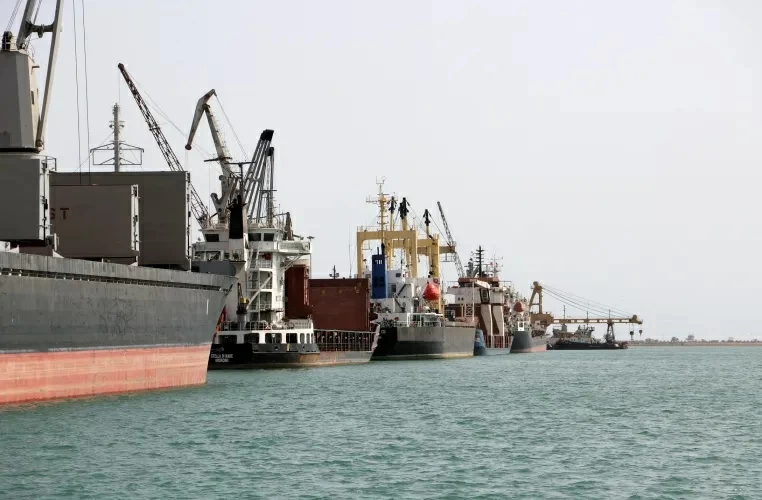
في صفعة كبيرة لمليشيا الحوثي، التي تدعي أن اليمن محاصر، كشف تقرير أممي اليوم (الثلاثاء) ارتفاع واردات القمح إلى الموانئ اليمنية على البحر الأحمر غربي البلاد، الواقعة تحت سيطرة المليشيا.
وأوضح تقرير منظمة الأمم المتحدة للأغذية والزراعة (FAO) أن واردات القمح في موانئ الصليف والحديدة ورأس عيسى، الخاضعة لسيطرة الحوثيين، ارتفعت في يونيو الماضي بنسبة 73% مقارنةً بشهر مايو، منبهاً إلى أن هذه الواردات تمثل زيادة بنسبة 72% عن الشهر نفسه من عام 2025، و35% مقارنةً بمتوسط السنوات الثلاث الماضية.
وينفي التقرير ادعاءات الحوثي بأن هناك حصاراً مفروضاً على الموانئ التي يسيطرون عليها.
ورأى وزير الإعلام اليمني معمر الإرياني أن ادعاءات الحوثي لما يسمى «الحصار» ليست سوى جزء من مخطط إيراني يستهدف أمن البحر الأحمر وباب المندب ومنشآت الطاقة والممرات البحرية الدولية، وصولاً إلى تعطيل سلاسل الإمداد ورفع كلفة التجارة والطاقة، محذراً من تداعيات هذا التصعيد الذي يهدد الاقتصاد العالمي وأمن الطاقة.
In a significant blow to the Houthi militia, which claims that Yemen is under siege, a UN report revealed today (Tuesday) an increase in wheat imports to Yemeni ports on the Red Sea in the western part of the country, which is under the militia's control.
The report from the Food and Agriculture Organization of the United Nations (FAO) indicated that wheat imports at the ports of Salif, Hodeidah, and Ras Isa, which are under Houthi control, rose by 73% in June compared to May, noting that these imports represent a 72% increase compared to the same month in 2025, and a 35% increase compared to the average of the past three years.
The report refutes the Houthis' claims that there is a blockade imposed on the ports they control.
Yemeni Minister of Information Muammar Al-Eryani viewed the Houthis' claims of a so-called "blockade" as merely part of an Iranian scheme targeting the security of the Red Sea, Bab al-Mandab, energy facilities, and international maritime routes, aiming to disrupt supply chains and increase the cost of trade and energy, warning of the repercussions of this escalation that threatens the global economy and energy security.