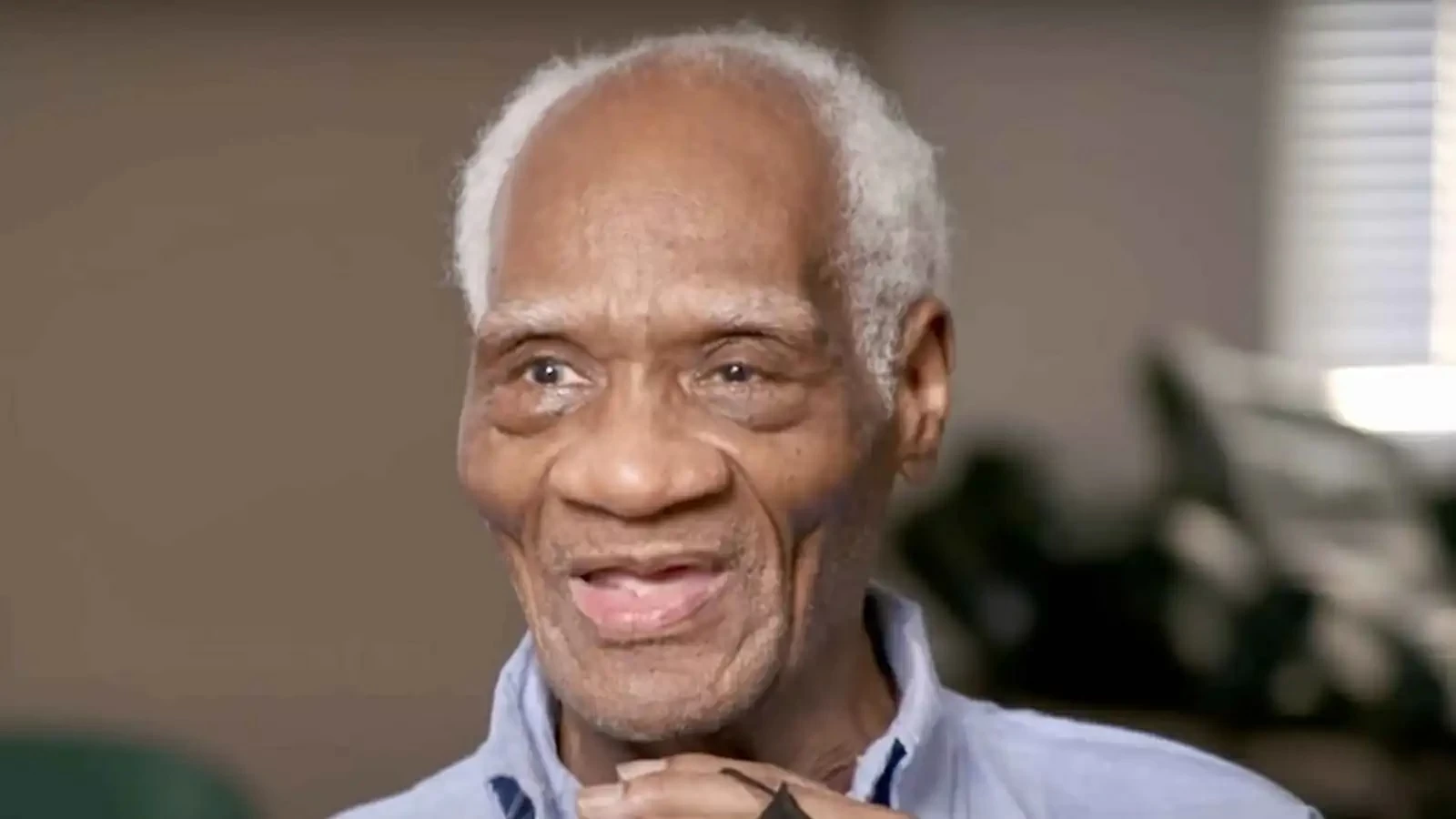
لم تكن صدمة جو ليغون عند خروجه من السجن نابعة من استعادة حريته فقط، بل من اكتشافه أن العالم الذي تركه قبل عقود لم يعد كما كان. فبعد 68 عاماً خلف القضبان، وجد نفسه أمام مدن مختلفة، وتقنيات لم يعهدها، وحياة تبدلت تفاصيلها بالكامل.
في أول ظهور إعلامي له بعد الإفراج، قال الأمريكي جو ليغون في مقابلة مع شبكة CBS إنه كاد يبكي لحظة مغادرة السجن من شدة التأثر، قبل أن ترتسم على وجهه ابتسامة عندما أدرك أنه أصبح «رجلاً حراً» أخيراً.
لكن الحرية لم تكن التحدي الوحيد، إذ اصطدم ليغون بمجتمع تغير جذرياً خلال سنوات سجنه. فقد اختفت عربات الترام التي اعتاد رؤيتها، وحلت محلها وسائل نقل حديثة، فيما أعادت الأبراج الشاهقة رسم ملامح المدن الأمريكية التي عرفها في شبابه.
ولم تكن تجربة ليغون حالة فريدة، إذ واجه سجناء سابقون عاشوا فترات اعتقال طويلة صدمة مماثلة عند عودتهم إلى الحياة الطبيعية.
ومن بينهم الأمريكي أوتيس جونسون، الذي أمضى 44 عاماً في السجن، قبل أن يخرج إلى عالم مختلف تماماً. وروى أنه فوجئ بأشخاص يسيرون في الشوارع وهم يضعون سماعات في آذانهم، وظن في البداية أنهم يتواصلون مع جهات أمنية، قبل أن يدرك أنهم يستخدمون الهواتف الذكية.
كما أبدى دهشته من انتشار الشاشات الرقمية في المتاجر، ومن قدرة الناس على السير والتحدث وهم منشغلون بهواتفهم، واصفاً المشهد بأنه يختلف كلياً عن العالم الذي غادره في سبعينيات القرن الماضي.
من مراهق إلى أحد أطول السجناء القاصرين
تعود قضية جو ليغون إلى عام 1953، عندما كان مراهقاً وشارك مع أربعة شبان في سلسلة عمليات سرقة بمدينة فيلادلفيا بهدف الحصول على المال لشراء الكحول.
وتطورت تلك الأحداث إلى مواجهات عنيفة أسفرت عن مقتل شخصين وإصابة آخرين. وأقر ليغون بأنه طعن أحد المصابين، لكنه أكد أنه لم يكن مسؤولاً عن أي من حالتي الوفاة.
ورغم ذلك، حُكم عليه بالسجن المؤبد من دون إمكانية الإفراج المشروط، ليقضي أكثر من ستة عقود داخل السجن.
وفي سبعينيات القرن الماضي، عُرض عليه الإفراج المشروط، لكنه رفض مغادرة السجن بقيود قانونية، مفضلاً انتظار حرية كاملة، وهو قرار أطال سنوات بقائه خلف القضبان.
قرار قضائي أنهى رحلة استمرت 68 عاماً
شهدت القضية تحولاً حاسماً بعد قرار المحكمة العليا الأمريكية عام 2012، الذي اعتبر الحكم بالسجن المؤبد على القاصرين من دون إمكانية الإفراج المشروط مخالفاً للدستور. وفي عام 2016، أكدت المحكمة سريان القرار بأثر رجعي.
وبناءً على ذلك، أُعيد النظر في قضية ليغون، وخُفف الحكم إلى 35 عاماً، قبل أن يُفرج عنه رسمياً من دون أي شروط، ليطوي بذلك واحدة من أطول قصص السجن التي ارتبطت بشخص دخل السجن وهو قاصر في تاريخ الولايات المتحدة.
Joe Ligon's shock upon leaving prison was not only due to regaining his freedom, but also from discovering that the world he left decades ago was no longer the same. After 68 years behind bars, he found himself facing different cities, technologies he had never encountered, and a life whose details had completely changed.
In his first media appearance after his release, American Joe Ligon said in an interview with CBS that he almost cried the moment he left prison due to overwhelming emotion, before a smile spread across his face when he realized he was finally a "free man."
However, freedom was not the only challenge, as Ligon encountered a society that had radically changed during his years in prison. The trams he was used to seeing had disappeared, replaced by modern means of transportation, while towering skyscrapers had reshaped the American cities he knew in his youth.
Ligon's experience was not unique, as former prisoners who had spent long periods of incarceration faced similar shocks upon returning to normal life.
Among them was American Otis Johnson, who spent 44 years in prison before emerging into a completely different world. He recounted being surprised by people walking in the streets with headphones in their ears, initially thinking they were communicating with security agencies, before realizing they were using smartphones.
He also expressed his astonishment at the prevalence of digital screens in stores and people's ability to walk and talk while engrossed in their phones, describing the scene as entirely different from the world he left in the 1970s.
From Teenager to One of the Longest-Serving Juvenile Prisoners
Joe Ligon's case dates back to 1953, when he was a teenager who participated with four other young men in a series of robberies in Philadelphia to get money to buy alcohol.
These events escalated into violent confrontations that resulted in the deaths of two people and injuries to others. Ligon admitted to stabbing one of the injured, but he insisted he was not responsible for either of the deaths.
Despite this, he was sentenced to life in prison without the possibility of parole, spending more than six decades behind bars.
In the 1970s, he was offered parole, but he refused to leave prison under legal restrictions, preferring to wait for full freedom, a decision that extended his years behind bars.
A Judicial Decision That Ended a 68-Year Journey
The case underwent a pivotal change following the U.S. Supreme Court's decision in 2012, which deemed life sentences without the possibility of parole for juveniles unconstitutional. In 2016, the court affirmed that the ruling would apply retroactively.
As a result, Ligon's case was reconsidered, and his sentence was reduced to 35 years, before he was officially released without any conditions, thus closing one of the longest prison stories associated with someone who entered prison as a minor in U.S. history.