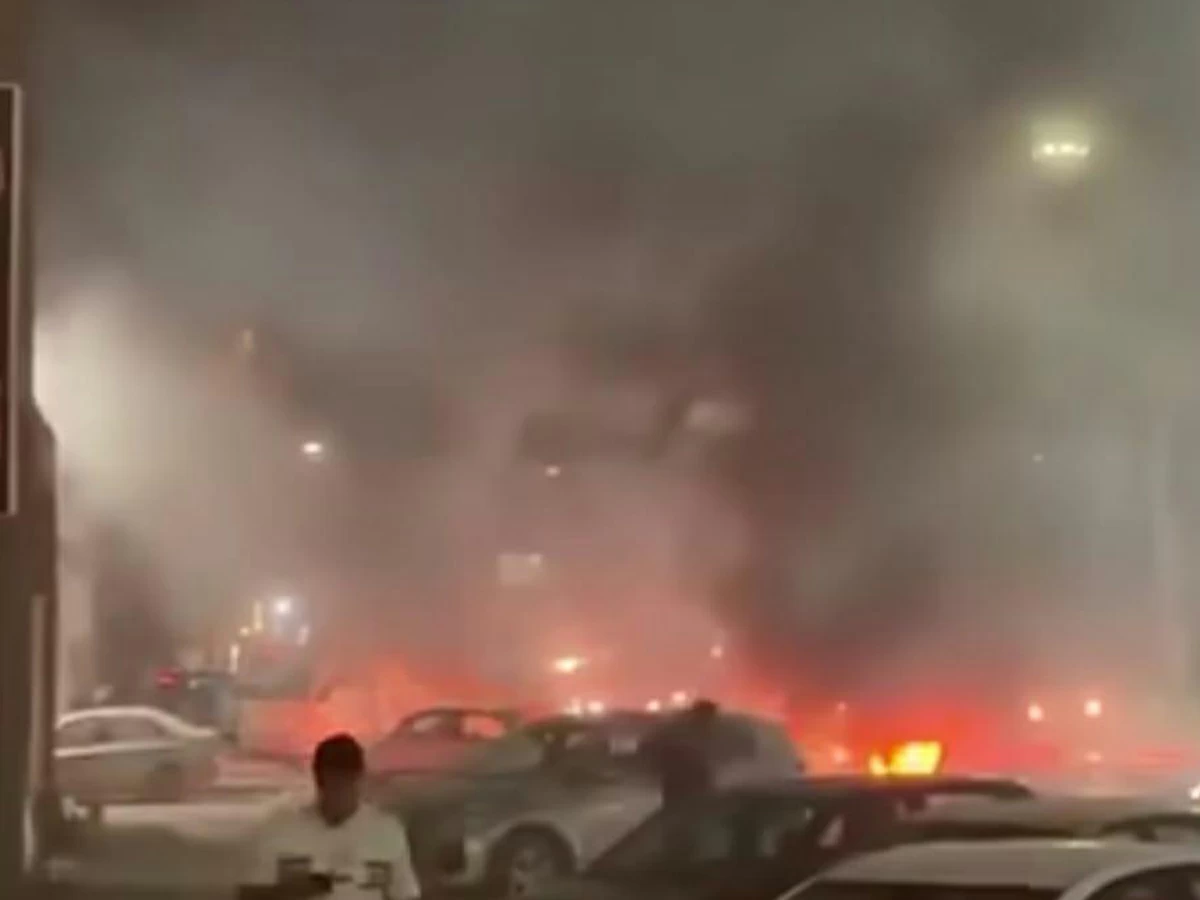
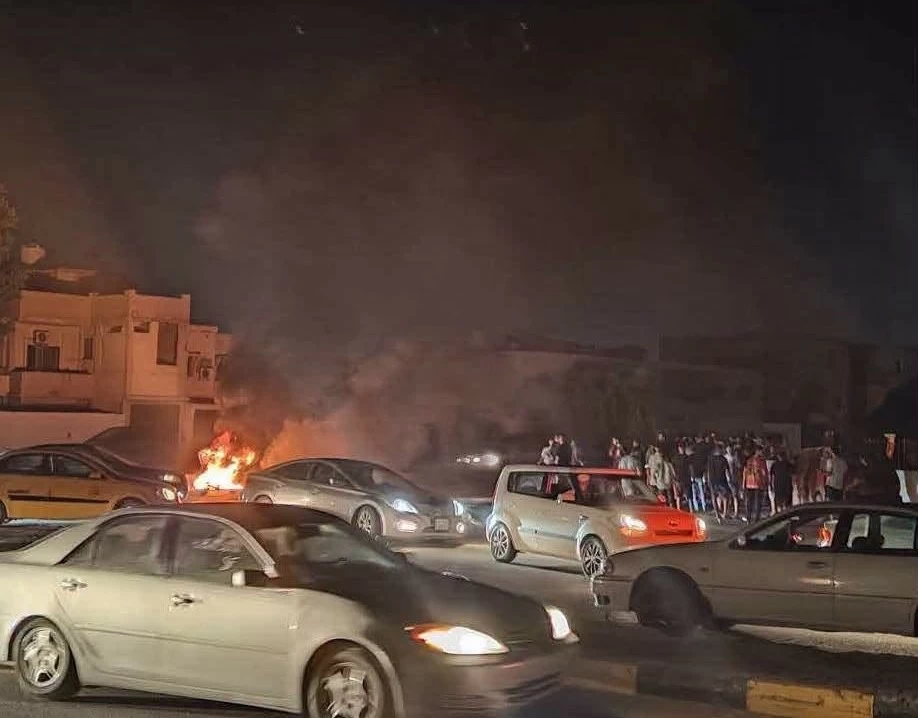
دخلت الاحتجاجات في العاصمة الليبية طرابلس مرحلة جديدة من التصعيد، بعدما أعلن حراك أهالي تاجوراء بدء عصيان مدني وإغلاق عدد من المؤسسات الحكومية، احتجاجاً على تردي الخدمات واستمرار أزمة الكهرباء، في خطوة تزيد الضغوط على حكومة الوحدة الوطنية برئاسة عبدالحميد الدبيبة.
إغلاق مؤسسات
وأقام المحتجون سواتر ترابية لإغلاق عدد من المرافق الحكومية، شملت مقر المجلس البلدي في تاجوراء، ومبنى البريد، وفرع مصرف الجمهورية، إضافة إلى مقر جهاز الإسكان والمرافق، مؤكدين استمرار التصعيد حتى الاستجابة لمطالبهم المتعلقة بتحسين الخدمات الأساسية.
كما استمر إغلاق مقر وزارة الخارجية والتعاون الدولي في طرابلس، بعدما أغلقه محتجون خلال احتجاجات الأحد، في مؤشر على اتساع رقعة التحركات الشعبية ضد الحكومة.
احتجاجات متواصلة
وشهدت العاصمة الليبية، الأحد، موجة احتجاجات واسعة طالب خلالها متظاهرون بإسقاط حكومة الوحدة الوطنية، على خلفية تدهور الأوضاع المعيشية واستمرار أزمة انقطاع الكهرباء، في واحدة من أكبر التحركات الشعبية التي عرفتها طرابلس خلال الفترة الأخيرة.
وأغلق المحتجون مقار وزارة الخارجية ووزارة الشباب وشركة الاتصالات القابضة، كما قطعوا عدداً من الطرق الرئيسية، بينها طريق الشط والطريق السريع المؤدي إلى منطقة المشتل من جهة طريق المطار، إضافة إلى طرق في مناطق عين زارة والغيران ومحيط جزيرة النبراس، مع إشعال الإطارات، ما تسبب في اضطراب حركة المرور بعدد من مناطق العاصمة.
أزمة متفاقمة
وتأتي هذه التطورات في ظل تصاعد الاستياء الشعبي من تدهور الخدمات العامة، وفي مقدمتها أزمة الكهرباء، إلى جانب تراجع الأوضاع الاقتصادية وارتفاع تكاليف المعيشة، وهي ملفات ظلت محل انتقادات متكررة للحكومة خلال الأشهر الماضية.
وتواجه حكومة الوحدة الوطنية، برئاسة عبدالحميد الدبيبة منذ 2021، أزمة شرعية سياسية مستمرة، إذ لا تحظى باعتراف مجلس النواب في شرق البلاد، الذي يعتبر حكومة أسامة حماد الحكومة المكلفة من قبله، فيما لا تزال الجهود الأممية متعثرة في التوصل إلى تسوية سياسية تفضي إلى إجراء انتخابات رئاسية وبرلمانية تنهي حالة الانقسام المؤسسي.
The protests in the Libyan capital, Tripoli, have entered a new phase of escalation, after the Tajoura residents' movement announced the start of a civil disobedience campaign and the closure of several government institutions, in protest against the deterioration of services and the ongoing electricity crisis, a step that increases pressure on the National Unity Government headed by Abdulhamid Dbeibah.
Closure of Institutions
The protesters erected earthen barriers to close several government facilities, including the municipal council headquarters in Tajoura, the post office building, and a branch of the Republic Bank, in addition to the headquarters of the Housing and Utilities Authority, confirming that the escalation will continue until their demands for improving basic services are met.
The closure of the Ministry of Foreign Affairs and International Cooperation headquarters in Tripoli also continued, after it was shut down by protesters during Sunday’s demonstrations, indicating the widening scope of popular movements against the government.
Ongoing Protests
The Libyan capital witnessed a wave of widespread protests on Sunday, during which demonstrators called for the overthrow of the National Unity Government, against the backdrop of deteriorating living conditions and the ongoing electricity crisis, in one of the largest popular movements seen in Tripoli in recent times.
The protesters closed the headquarters of the Ministry of Foreign Affairs, the Ministry of Youth, and the Holding Communications Company, and they blocked several main roads, including the Shat Road and the highway leading to the Mushtal area from the airport road, in addition to roads in Ain Zara, Al-Ghiran, and around the Nabras Island, while setting tires on fire, causing traffic disruptions in several areas of the capital.
Escalating Crisis
These developments come amid rising public discontent over the deterioration of public services, primarily the electricity crisis, alongside the declining economic situation and rising living costs, issues that have been the subject of repeated criticism of the government over the past months.
The National Unity Government, led by Abdulhamid Dbeibah since 2021, faces an ongoing political legitimacy crisis, as it does not have the recognition of the House of Representatives in the east of the country, which considers Osama Hamad's government as the one mandated by it, while UN efforts remain stalled in reaching a political settlement that leads to presidential and parliamentary elections to end the institutional division.