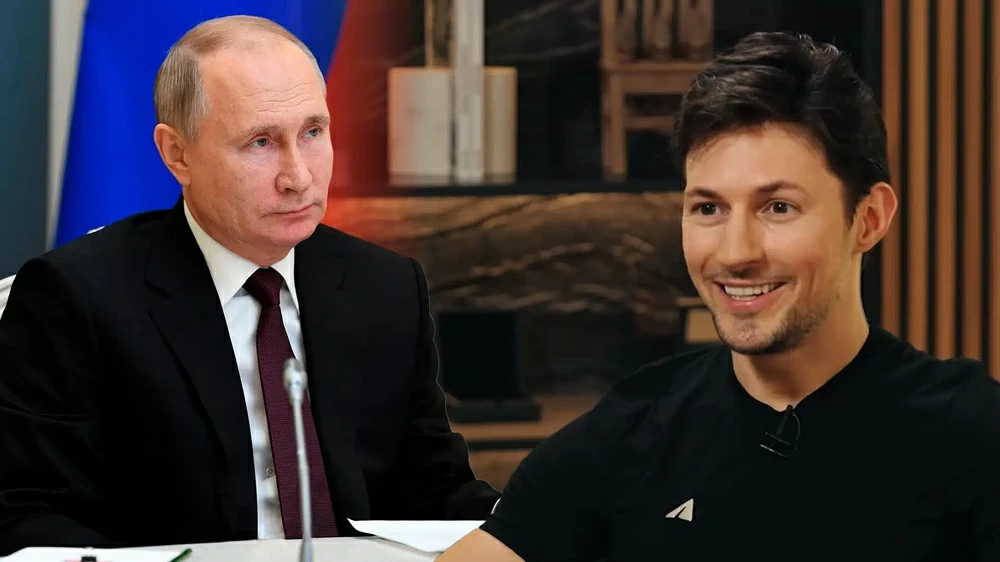
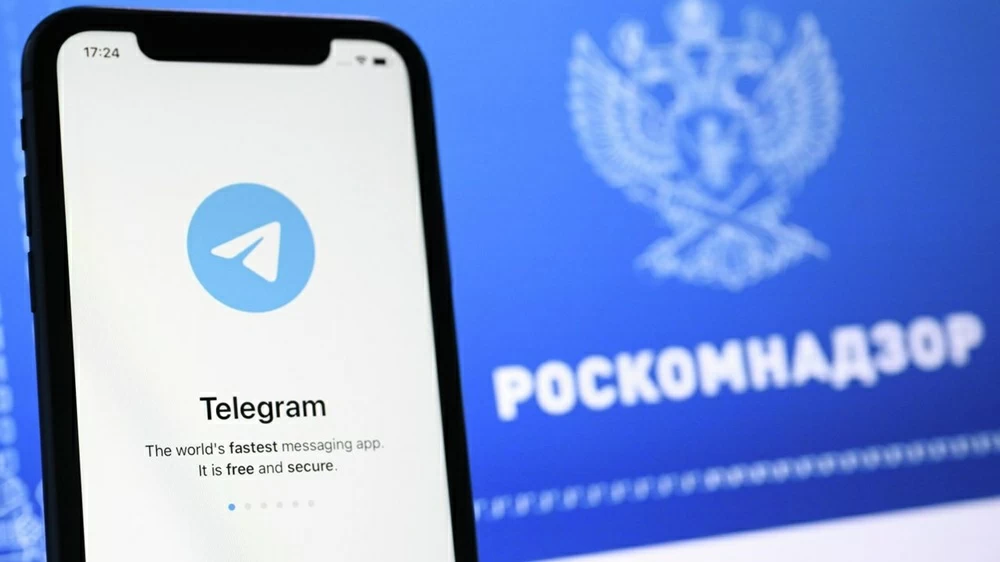
في تطور لافت يعكس تصاعد التوتر الرقمي بين موسكو وكييف، أعلنت الاستخبارات الروسية أنها بدأت ملاحقة مؤسس تطبيق (تليغرام) بافل دوروف على المستوى الدولي، متهمةً منصته بالتقاعس عن حذف حسابات وقنوات قالت إنها تُستخدم في التخطيط لعمليات تخريب وهجمات داخل الأراضي الروسية.
وتؤكد السلطات أن هذه القنوات لم تكن مجرد مساحات للنقاش، بل أدوات اتصال فعّالة استُغلت في تنفيذ جرائم أودت بحياة مدنيين؛ بينهم نساء وأطفال، وتسببت بخسائر مالية ضخمة.
وتشير هيئة الأمن الفيدرالية إلى أن التحقيقات التي أجرتها، خلال الأشهر الماضية، كشفت عن نشاط مكثف لأجهزة الاستخبارات الأوكرانية داخل التطبيق، خصوصاً عبر خدمة التعارف (دايفينتشيك)، التي تقول إنها تحولت إلى بوابة لاستدراج شبان روس نحو مهام تخريبية عبر أساليب الإقناع النفسي والتلاعب العاطفي. وتضيف أن هذه الأساليب أدت منذ يوليو 2025 إلى احتجاز عشرات الشبان الذين تورطوا في مهاجمة عناصر أمن وإحراق مواقع حساسة بناءً على تعليمات تلقوها عبر المنصة.
وبحسب الرواية الروسية، فإن هذه الوقائع دفعت السلطات إلى توجيه تهمة جنائية مباشرة لدوروف بموجب المادة 205.1 من قانون العقوبات، والمتعلقة بالمساعدة في النشاط الإرهابي، مع إدراجه على قائمة المطلوبين دولياً. وتأتي هذه الخطوة في سياق صراع طويل بين موسكو و(تليغرام)، إذ لطالما اشتكت السلطات من صعوبة السيطرة على المحتوى داخل التطبيق، ومن اعتماده الواسع بين مجموعات مختلفة، بعضها يستخدمه لأغراض مشروعة، وأخرى توظفه في عمليات معقدة يصعب رصدها.
وتفتح القضية الباب أمام نقاش أوسع حول مسؤولية منصات التواصل في زمن تتداخل فيه الحدود بين حرية التعبير والأمن القومي، وحول قدرة الحكومات على ملاحقة مؤسسي التطبيقات العابرة للحدود، في عالم أصبحت فيه الرسائل المشفرة جزءاً من المشهد اليومي لملايين المستخدمين.
In a notable development reflecting the rising digital tension between Moscow and Kyiv, Russian intelligence announced that it has begun pursuing the founder of the Telegram app, Pavel Durov, on an international level, accusing his platform of failing to delete accounts and channels that it claims are being used to plan sabotage operations and attacks within Russian territory.
Authorities assert that these channels were not merely discussion spaces, but effective communication tools exploited to carry out crimes that resulted in the deaths of civilians, including women and children, and caused massive financial losses.
The Federal Security Service indicates that investigations it conducted over the past months revealed intensive activity by Ukrainian intelligence agencies within the app, particularly through the dating service (Davinchik), which it claims has turned into a gateway for luring young Russians into sabotage missions through psychological persuasion and emotional manipulation. It adds that these methods have led, since July 2025, to the detention of dozens of young men who were involved in attacking security personnel and burning sensitive sites based on instructions they received via the platform.
According to the Russian narrative, these incidents prompted authorities to file a direct criminal charge against Durov under Article 205.1 of the Penal Code, related to aiding terrorist activities, with him being placed on the international wanted list. This step comes amid a long-standing conflict between Moscow and Telegram, as authorities have long complained about the difficulty of controlling content within the app and its widespread use among various groups, some of which use it for legitimate purposes, while others employ it in complex operations that are hard to monitor.
The case opens the door to a broader discussion about the responsibility of social media platforms in an era where the boundaries between freedom of expression and national security are blurred, and about the ability of governments to pursue the founders of cross-border apps in a world where encrypted messages have become part of the daily landscape for millions of users.