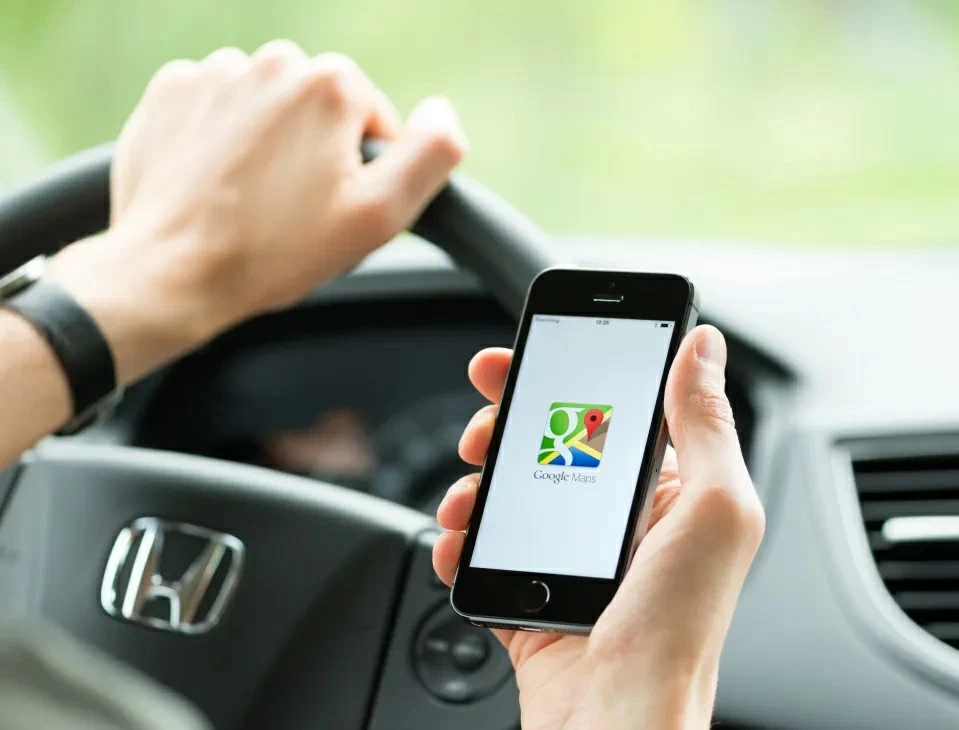
في صباح بدا عادياً، استيقظ العالم ليجد أن صديقه الأكثر حضوراً في الطرق قد اختفى فجأة. لم يكن الأمر يتعلق بعُطل بسيط في تطبيق على الهاتف، بل بانطفاء عينٍ اعتادت المدن أن ترى من خلالها نبض شوارعها.
اختفت طبقة المرور من خرائط غوغل، ذلك الشريط اللوني الذي يروي قصة الحركة اليومية: الأخضر للانسياب، البرتقالي للتباطؤ، الأحمر للاختناق. ومع غيابه، بدا العالم كمن فقد حاسة أساسية من حواسه.
بدأت الشكاوى تتصاعد من آسيا إلى أوروبا ثم الولايات المتحدة، قبل أن يتضح أن الخلل عالمي، وأن المشكلة ليست في أجهزة المستخدمين بل في خوادم غوغل نفسها. ومع اتساع الضجيج، اضطرت الشركة إلى الاعتراف بالعطل، مؤكدة أن فريقها يعمل على إصلاحه وأن التحديث سيصل تدريجياً إلى المستخدمين حول العالم.
لم يكن العطل مجرد خلل تقني؛ كان اختباراً لمدى اعتماد البشر على هذا التطبيق؛ الذي وُلد عام 2005 كأداة بسيطة للبحث عن الأماكن، قبل أن يتحوّل خلال عقدين إلى منظومة ملاحة ضخمة يعتمد عليها أكثر من ملياري مستخدم شهرياً؛ بينهم سائقو سيارات الأجرة، شركات النقل، خدمات التوصيل، المسافرون، والجهات الحكومية التي تراقب حركة الطرق. لقد أصبح التطبيق جزءاً من الإيقاع اليومي للمدن، وامتداداً لوعي الإنسان بالمسافة والزمن، حتى بات كثيرون يصفونه بأنه «الصديق الذي يعرف الطريق دائماً».
ومع توقفه، ظهرت هشاشة الاعتماد العالمي على التكنولوجيا. تعطلت خطط السفر، تأخرت المواعيد، ارتبكت شركات النقل، ووجد السائقون أنفسهم يعودون إلى الطرق القديمة: سؤال المارة، أو الاعتماد على الحدس، أو استخدام تطبيقات بديلة لا تملك دقة خرائط غوغل. بدا المشهد كأن العالم عاد سنوات إلى الوراء، حين كانت الطرق تُكتشف لا تُقرأ.
لكن الإصلاح وصل أخيراً، وعادت الألوان إلى الطرق، وعاد العالم إلى إيقاعه المعتاد. ومع ذلك، ترك العطل سؤالاً معلّقاً: ماذا لو تكرر الأمر؟ وكيف يمكن لعطل واحد أن يُربك مليارات البشر في لحظة واحدة؟
لقد أثبتت الحادثة أن خرائط غوغل ليست مجرد تطبيق، بل بنية تحتية رقمية تُسهم في حل مشكلات الطرق، وتخفيف الازدحام، وتوجيه السائقين، وتحسين كفاءة المدن، وأن غيابها -ولو لساعات- كفيل بأن يكشف حجم اعتماد العالم على هذا «الصديق» الذي لا يغادر الجيب.
On a morning that seemed ordinary, the world woke up to find that its most present friend on the roads had suddenly disappeared. It wasn't just a minor glitch in a phone app, but the extinguishing of an eye through which cities had grown accustomed to seeing the pulse of their streets.
The traffic layer disappeared from Google Maps, that colorful strip that tells the story of daily movement: green for flow, orange for slowdown, red for congestion. With its absence, the world seemed to have lost a fundamental sense.
Complaints began to rise from Asia to Europe and then to the United States, before it became clear that the issue was global, and that the problem was not with users' devices but with Google's servers themselves. As the noise grew, the company was forced to acknowledge the outage, confirming that its team was working on a fix and that the update would gradually reach users around the world.
The outage was not just a technical glitch; it was a test of how much humans rely on this app, which was born in 2005 as a simple tool for finding places, before transforming over two decades into a massive navigation system relied upon by more than two billion monthly users, including taxi drivers, transportation companies, delivery services, travelers, and government entities monitoring road traffic. The app had become part of the daily rhythm of cities, an extension of human awareness of distance and time, to the point where many described it as "the friend that always knows the way."
With its halt, the fragility of global reliance on technology became apparent. Travel plans were disrupted, appointments were delayed, transportation companies were confused, and drivers found themselves returning to old ways: asking passersby, relying on intuition, or using alternative apps that lacked the accuracy of Google Maps. The scene felt as if the world had stepped back years, to a time when roads were discovered, not read.
But the fix finally arrived, colors returned to the roads, and the world resumed its usual rhythm. Nevertheless, the outage left a lingering question: what if it happens again? How can a single outage disorient billions of people in an instant?
The incident proved that Google Maps is not just an app, but a digital infrastructure that contributes to solving road problems, alleviating congestion, guiding drivers, and improving city efficiency, and that its absence—even for hours—can reveal the extent of the world's dependence on this "friend" that never leaves the pocket.