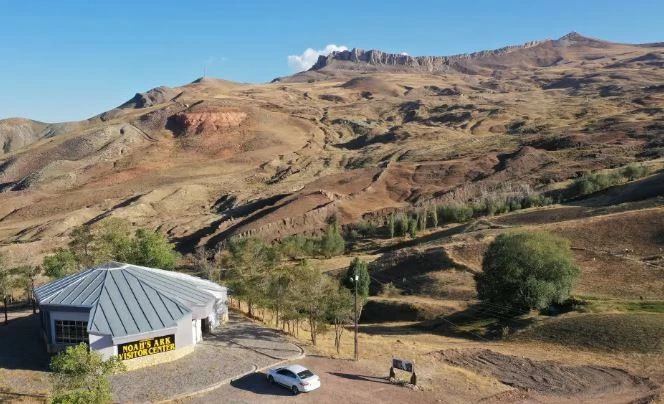
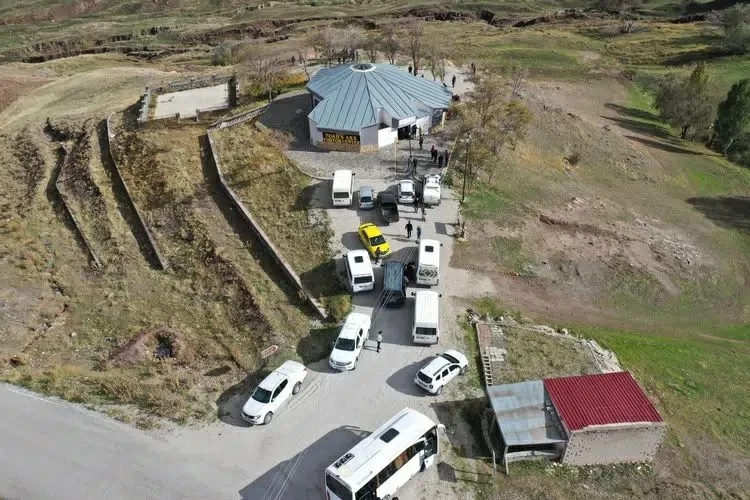
بين المعتقدات والاكتشافات العلمية تقف صخرة عملاقة على شكل سفينة في أقاصي شرق تركيا، تنتظر حسماً قد يغير فهمنا لواحد من أكبر أسرار التاريخ البشري.
ففي موقع «دوروبينار» بمحافظة أغري -وهو التشكيل الصخري الغريب الذي لفت أنظار العالم منذ اكتشافه جوياً عام 1959 لشبهه الخارق بالهيكل الفلكي- تبدأ جامعة تركية بالتعاون مع فريق دولي عابر للقارات مهمة علمية دقيقة، بحثاً عن الإجابة الحسم: هل استقرت سفينة النبي نوح عليه السلام حقاً في هذا المكان؟
المشروع الذي يقوده أستاذ الآثار بجامعة «سيفاس جمهوريت» الدكتور جنكر أتيلا، يتجاوز المسوح السطحية القليلة التي شابت العقود الماضية. فمع وجود 20 باحثاً ومتخصصاً من 5 دول، سيعتمد الفريق على تقنيات الرادار المخترق للأرض، والنماذج الرقمية ثلاثية الأبعاد، وتنقيبات الحفر بعمق لاستخراج عينات التربة والبحث عن أي أثر لخشب متحلل أو شواهد عظمية تنقض رأي الجيولوجيين الذين يصرون حتى الآن على أن الموقع مجرد ظاهرة طبيعية.
المعركة البحثية الميدانية مستمرة حتى 11 سبتمبر 2026، لتنتقل بعدها العينات إلى المختبرات، تمهيداً لإعلان النتائج الأولية في مايو 2027 وإصدار وثيقة علمية شاملة. نتائج قد تنهي الصراع القديم بين هذا الموقع وحفيظه المنافس على اللقب؛ «جبل الجودي» في ولاية شرناق.
Between beliefs and scientific discoveries stands a giant rock shaped like a ship in the far east of Turkey, waiting for a resolution that may change our understanding of one of the greatest mysteries of human history.
At the site of "Durupınar" in Ağrı Province - the strange rock formation that has captured the world's attention since its aerial discovery in 1959 due to its remarkable resemblance to an ark - a Turkish university, in collaboration with an international team, is embarking on a precise scientific mission to seek the definitive answer: Did the Prophet Noah's ship truly rest in this location?
The project, led by Dr. Cenk Atilla, an archaeology professor at Sivas Cumhuriyet University, goes beyond the limited surface surveys that have characterized past decades. With 20 researchers and specialists from 5 countries, the team will rely on ground-penetrating radar technology, 3D digital models, and deep excavation to extract soil samples and search for any evidence of decayed wood or skeletal remains that could contradict the geologists' opinion, who still insist that the site is merely a natural phenomenon.
The field research battle will continue until September 11, 2026, after which the samples will be sent to laboratories, paving the way for the announcement of preliminary results in May 2027 and the issuance of a comprehensive scientific document. Results that could end the long-standing rivalry between this site and its competing claimant for the title; "Mount Judi" in Şırnak Province.