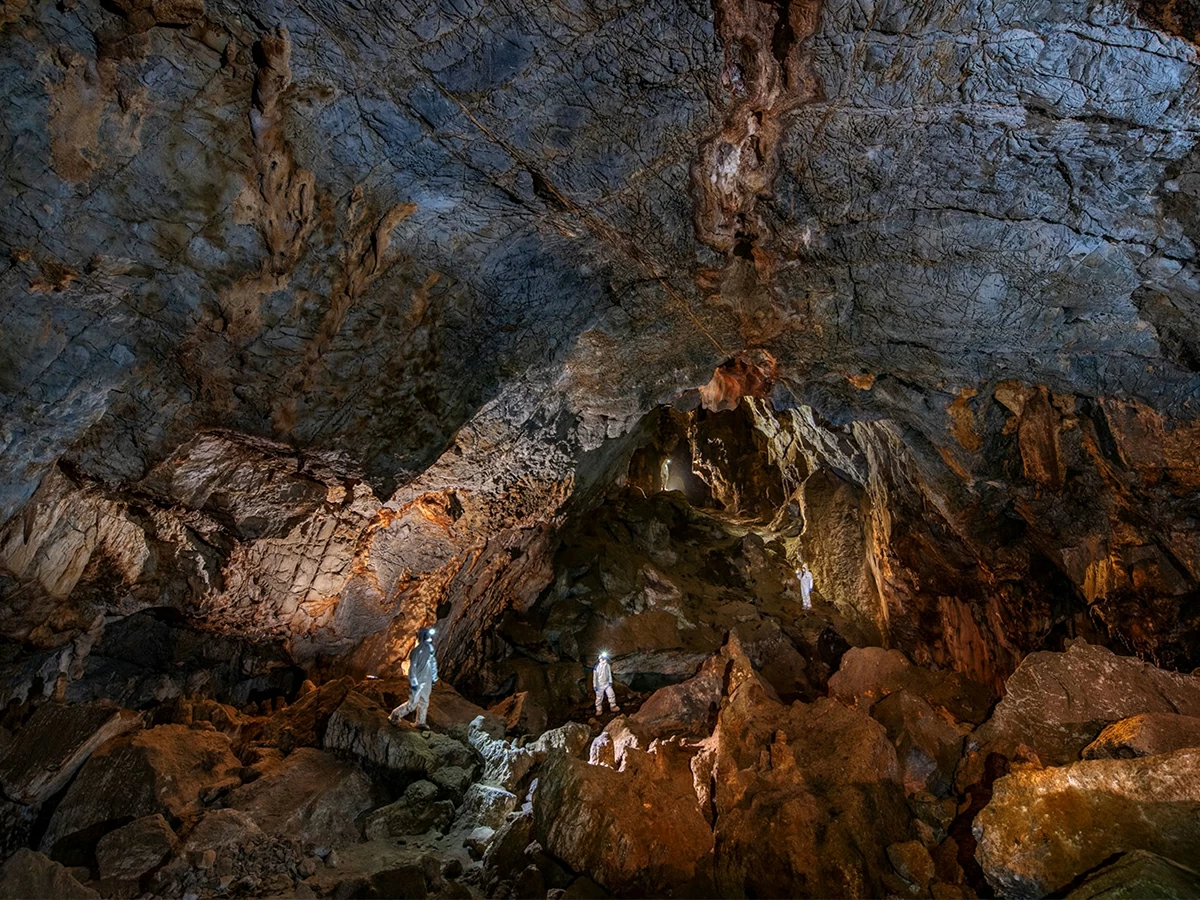
أعلن المعهد الوطني المكسيكي للأنثروبولوجيا والتاريخ، اكتشاف كهف أثري نادر يضم 179 قطعة أثرية تعود إلى الفترة الكلاسيكية المتأخرة، وتحديداً بين عامي 600 و900 ميلادية، في بلدية «سينتالابا» بولاية «تشياباس» جنوب المكسيك.
ووفقاً للمعهد، تتوزع القطع المكتشفة على 13 مستودعاً داخل الكهف، الذي يمتد لنحو 100 متر بالقرب من وادي نهر «لا فينتا»، وتشمل أواني خزفية ومباخر مزينة وجراراً تحمل نقوشاً لحيوانات مرتبطة بثقافة شعب «السوكي» القديم.
وأكد الباحثون أن الترتيب المنظم لهذه الأدوات يشير إلى أن الكهف لم يُستخدم للسكن فقط، بل كان أيضاً موقعاً لإقامة طقوس تقليدية مرتبطة بطلب المطر وخصوبة الأراضي.
وتتواصل الأبحاث الأثرية حالياً باستخدام تقنيات التصوير ثلاثي الأبعاد والتحليلات الكيميائية الدقيقة، لفحص بقايا المواد المخزنة والكشف عن أي آثار أخرى محتملة داخل القطع المكتشفة.
وأشار الباحثون إلى أن الكهف يعد من بين أهم المواقع الأثرية التي جرى توثيقها في ولاية «تشياباس» خلال العقود الأخيرة، موضحين أن هذا الاكتشاف يفتح آفاقاً جديدة لفهم طبيعة الحياة والموروث الثقافي لشعب «السوكي» القديم وعلاقته بالحضارات المجاورة في منطقة أمريكا الوسطى.
The Mexican National Institute of Anthropology and History announced the discovery of a rare archaeological cave containing 179 artifacts dating back to the late classic period, specifically between the years 600 and 900 AD, in the municipality of "Cintalapa" in the state of "Chiapas" in southern Mexico.
According to the institute, the discovered pieces are distributed across 13 storage areas within the cave, which extends about 100 meters near the La Venta River valley, and include ceramic vessels, decorated incense burners, and jars bearing engravings of animals associated with the culture of the ancient "Soki" people.
Researchers confirmed that the organized arrangement of these tools indicates that the cave was not only used for habitation but also served as a site for traditional rituals related to requesting rain and land fertility.
Archaeological research is currently ongoing using 3D imaging techniques and precise chemical analyses to examine the remains of stored materials and uncover any potential traces within the discovered artifacts.
Researchers noted that the cave is among the most important archaeological sites documented in the state of "Chiapas" in recent decades, explaining that this discovery opens new horizons for understanding the nature of life and the cultural heritage of the ancient "Soki" people and their relationship with neighboring civilizations in the Central America region.