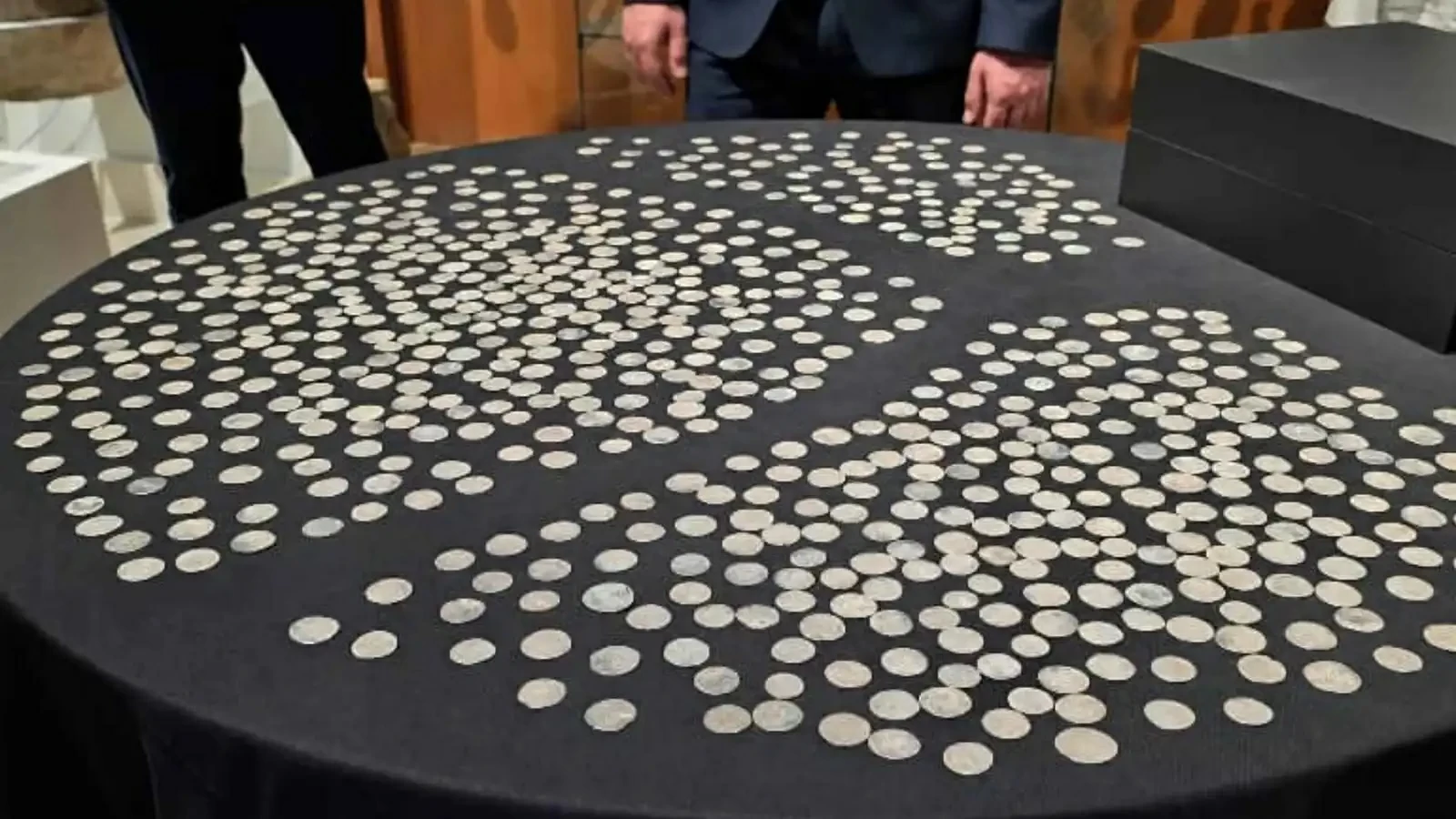
في شوارع السليمانية بالعراق، كان ثلاثة أشخاص يظنون أنهم في طريقهم للثراء السريع عبر المتاجرة بذاكرة بلاد الرافدين. غير أن ضربة استباقية لقوات الأمن (الأسايش) قطعت الطريق على الصفقة المحظورة، وأسفرت عن ضبط 685 قطعة نقدية فضية نادرة تعود للقرنين الـ12 والـ13 الميلاديين.
المتحدث باسم جهاز الأسايش العميد كارزان شيركو، أكد أن العملية تمت بدقة عالية وانتهت بتسليم هذا الكنز الأثري مباشرة إلى متحف السليمانية لتأمين حمايته، بحسب ما نقلته صحيفة «شفق نيوز».
هذه العملية ليست سوى الحلقة الأحدث في سلسلة محاولات استنزاف التراث العراقي؛ إذ تُعد هذه الدفعة الثانية من الآثار التي ينجح الأمن في استردادها وتحويلها للمتحف خلال أشهر قليلة، لتأهيلها للباحثين وإتاحتها للجمهور مستقبلاً. وتأتي هذه الجهود في وقت يخوض العراق معركة ممتدة لملاحقة عصابات وشهبكات تهريب الآثار، المحلية منها والدولية، في محاولة لترميم ما دمرته وسرقته سنوات الصراع، لا سيما الفوضى التي أعقبت حرب 2003 وما رافقها من نهب وتهميش للمواقع التاريخية في عموم البلاد.
In the streets of Sulaymaniyah, Iraq, three individuals believed they were on their way to quick riches through trading the memory of Mesopotamia. However, a preemptive strike by the security forces (Asayish) thwarted the illicit deal, resulting in the seizure of 685 rare silver coins dating back to the 12th and 13th centuries AD.
The spokesperson for the Asayish, Brigadier Karzan Shirko, confirmed that the operation was carried out with high precision and concluded with the direct delivery of this archaeological treasure to the Sulaymaniyah Museum for its protection, according to what was reported by the newspaper "Shafaq News".
This operation is merely the latest link in a series of attempts to exploit Iraqi heritage; this is the second batch of artifacts that security has successfully recovered and transferred to the museum within a few months, to prepare them for researchers and make them available to the public in the future. These efforts come at a time when Iraq is engaged in a prolonged battle to pursue local and international smuggling gangs and networks, in an attempt to restore what has been destroyed and stolen during years of conflict, especially the chaos that followed the 2003 war and the accompanying looting and marginalization of historical sites across the country.