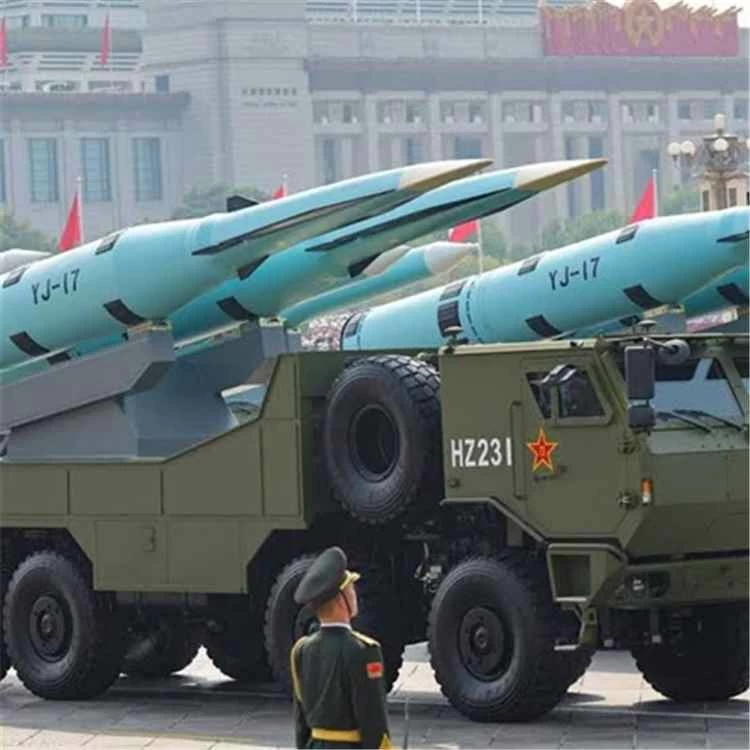
نقلت وكالة «رويترز» عن ثلاثة مصادر قولها إن إيران ستتسلّم في غضون أسابيع، الشحنة الأولى المقدرة بنحو 400 منظومة دفاع جوي محمولة على الكتف صينية الصنع، في إطار سعيها لإعادة بناء دفاعاتها، إلا أن الخارجية الصينية نفت صحة تلك المعلومات، مؤكدة أنها «لا أساس لها من الصحة على الإطلاق».
400 نظام دفاع جوي محمول
وحسب المصادر، تتراوح قيمة الصفقة بين 60 و70 مليون دولار. وأضافت أن العقد يشمل شراء ما بين 300 و400 نظام دفاع جوي محمول، بما في ذلك صواريخ QW-12، وFN-16 صينية الصنع.
وكشفت المصادر أنه تم توقيع الصفقة مع شركة «تشونغ تشينغ باوشانغ إنترناشونال إنفستمنت» Zhongqing Baoshang International Investment، مقرها هونغ كونغ، التي قالت المصادر إنها كانت تعمل وسيطاً بين الجانب الإيراني والمورد الصيني.
وبينما رفضت وزارة الخارجية الإيرانية التعليق، أفادت وزارة الخارجية الصينية بأن هذه التقارير لا أساس لها من الصحة على الإطلاق. ولم ترد مجموعة «تشونغ تشينغ باوشانغ» Zhong Qing Bao Shang Group، ومقرها بكين، وهي الشركة الأم لشركة «تشونغ تشينغ باوشانغ إنترناشونال إنفستمنت»، بعد على طلب عبر البريد الإلكتروني للتعليق (الثلاثاء).
عمق العلاقات العسكرية
ومن شأن تسليم مئات من أنظمة الدفاع الجوي المحمولة، أن يوسع بشكل كبير مخزون إيران من أسلحة الدفاع الجوي قصيرة المدى، ويؤكد عمق العلاقات العسكرية مع الصين.
وحذّرت المصادر من أنه على الرغم من توقيع الاتفاقية، فإن جداول التسليم والكميات وتفاصيل التنفيذ الأخرى قد تتغير.
وأشارت المصادر إلى أنه بموجب خطة اتفق عليها الطرفان، ستتم عمليات التسليم في البداية جواً من أورومتشي في غرب الصين، ثم تمر عبر باكستان إلى إيران، لكن المصادر لم توضح ما إذا كانت عمليات النقل ستتم جواً أم براً.
وأكدت هيئة العلاقات العامة بالجيش الباكستاني أن التكهنات حول تورط باكستان في توريد أسلحة الدفاع الجوي إلى إيران من الصين «ملفقة وكاذبة تماماً».
توجه بالأشعة تحت الحمراء
وكشف مصدر أمني أوروبي، أن السلطات في بلده على علم بعدة عقود قيد المناقشة تتعلق ببيع محتمل لأنظمة دفاع جوي محمولة من سلسلة QW إلى إيران، بما في ذلك أنظمة QW-12، وQW-18، وQW-19.
وقال مصدر أمني ثانٍ في الشرق الأوسط، إن إيران كانت تسعى لشراء صواريخ QW-12، وQW-18، لكنه لم يكن على علم بأن صفقة أبرمت بالفعل.
وكل من QW-12، وFN-16 من أنظمة الصواريخ أرض-جو التي تطلق من على الكتف وتوجه بالأشعة تحت الحمراء، وهي مصممة لمواجهة الطائرات التي تحلق على ارتفاعات منخفضة والمروحيات والطائرات المسيرة.
وتتيح قدرتها على التنقل نشرها بسرعة حول المنشآت العسكرية، والبنية التحتية للطاقة والمواقع الحساسة الأخرى.
وأفاد مصدران استخباراتيان غربيان ومسؤول إيراني، بأن طهران بحثت أيضاً في استخدام الطرق البرية، لنقل الإمدادات العسكرية الصينية والمكونات ذات الاستخدام المزدوج بشكل أكثر سرية وتقليل مخاطر التعطيل.
وكانت «رويترز» أفادت سابقاً بأن إيران على وشك إبرام اتفاق منفصل مع الصين للحصول على صواريخ كروز مضادة للسفن، وفق أشخاص مطلعين على تلك المفاوضات. ولم يتسن لـ«رويترز» تحديد ما إذا كان الاتفاق قد تم إبرامه أم لا.
Reuters reported from three sources that Iran will receive within weeks the first shipment of approximately 400 Chinese-made portable air defense systems as part of its efforts to rebuild its defenses, but the Chinese foreign ministry denied the accuracy of this information, asserting that it is "completely baseless."
400 Portable Air Defense Systems
According to the sources, the value of the deal ranges between $60 million and $70 million. They added that the contract includes the purchase of between 300 and 400 portable air defense systems, including QW-12 and FN-16 missiles made in China.
The sources revealed that the deal was signed with Zhongqing Baoshang International Investment, a Hong Kong-based company, which they said acted as an intermediary between the Iranian side and the Chinese supplier.
While the Iranian foreign ministry declined to comment, the Chinese foreign ministry stated that these reports are completely unfounded. The Zhong Qing Bao Shang Group, based in Beijing and the parent company of Zhongqing Baoshang International Investment, has not yet responded to an email request for comment (Tuesday).
Depth of Military Relations
The delivery of hundreds of portable air defense systems would significantly expand Iran's stockpile of short-range air defense weapons and affirm the depth of military relations with China.
The sources warned that despite the signing of the agreement, delivery schedules, quantities, and other implementation details may change.
The sources indicated that under a plan agreed upon by both parties, deliveries will initially be made by air from Ürümqi in western China, then pass through Pakistan to Iran, but the sources did not clarify whether the transfers would be conducted by air or land.
The Pakistani military's public relations agency confirmed that speculation about Pakistan's involvement in supplying air defense weapons to Iran from China is "fabricated and completely false."
Infrared Guidance
An European security source revealed that authorities in his country are aware of several contracts under discussion regarding a potential sale of portable air defense systems from the QW series to Iran, including QW-12, QW-18, and QW-19 systems.
A second security source in the Middle East stated that Iran has been seeking to purchase QW-12 and QW-18 missiles, but he was not aware that a deal had already been concluded.
Both QW-12 and FN-16 are shoulder-fired surface-to-air missile systems guided by infrared, designed to counter low-flying aircraft, helicopters, and drones.
Their mobility allows for rapid deployment around military installations, energy infrastructure, and other sensitive sites.
Two Western intelligence sources and an Iranian official reported that Tehran has also explored using land routes to transport Chinese military supplies and dual-use components more discreetly and reduce disruption risks.
Reuters previously reported that Iran is on the verge of concluding a separate agreement with China for anti-ship cruise missiles, according to individuals familiar with those negotiations. Reuters has not been able to determine whether the agreement has been finalized.