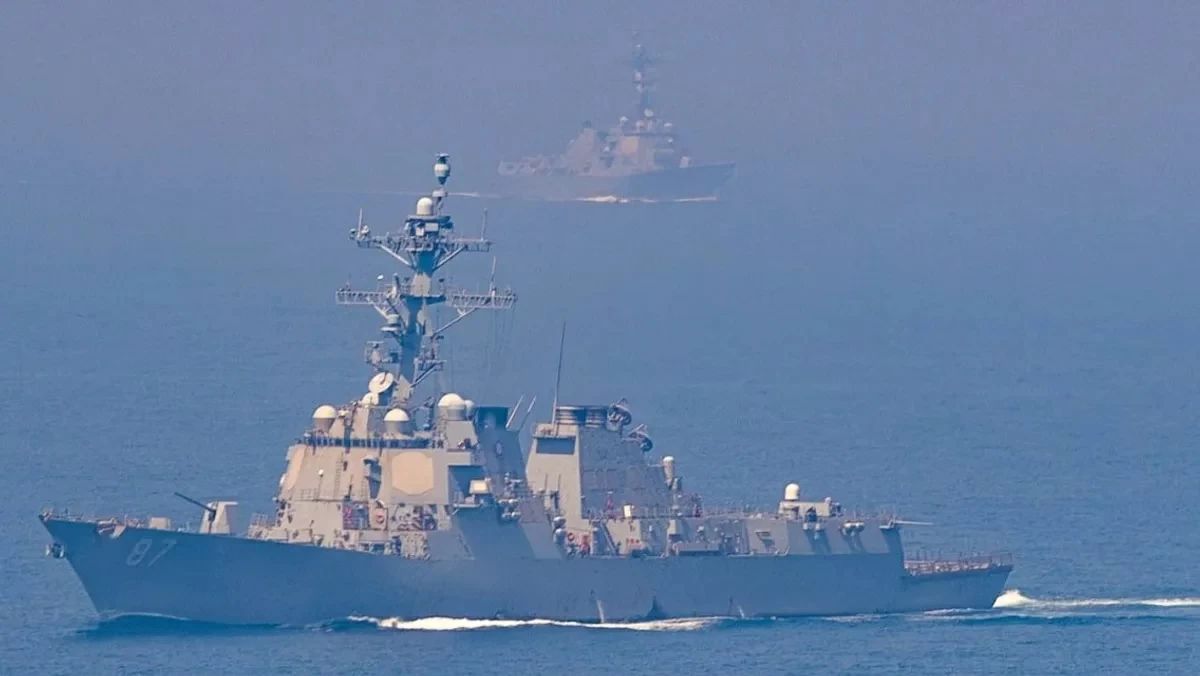
في تصعيد إيراني ينسف المسار الدبلوماسي، أعلنت القيادة المركزية الأمريكية (سنتكوم) أن طهران أطلقت، فجر اليوم الأربعاء، عدة صواريخ باليستية باتجاه قوات أمريكية في الشرق الأوسط، في أول هجوم من نوعه منذ تعليق واشنطن ضرباتها لإتاحة المجال أمام التوصل إلى وقف إطلاق النار.
وأكدت «سنتكوم» اعتراض جميع الصواريخ بنجاح، مشيرة إلى بقاء قواتها في حالة تأهب مرتفعة.
وأعلن الحرس الثوري الإيراني أنه استهدف قوات أمريكية في الأردن بصواريخ باليستية، وأوقف ثلاث سفن في مضيق هرمز. فيما أكد الجيش الأردني اعتراض خمسة صواريخ دخلت أجواء المملكة وإسقاطها وفق قواعد الاشتباك المعتمدة.
وجاء هذا التطور في وقت تشهد فيه المفاوضات المتعلقة بمضيق هرمز جموداً واضحاً. ونقلت وكالة «رويترز» عن مسؤول إيراني كبير قوله: إن طهران رفضت مقترحاً قدمته سلطنة عُمان بشأن الإدارة الإقليمية المشتركة للمضيق، زاعماً أن إيران وسلطنة عُمان وحدهما تمتلكان حق تحديد ترتيباته، مع رفض أي دور لدول أخرى. وأضاف أن إيران تتمسك بسيطرتها على كامل مسار الدخول إلى المضيق وجزء من مسار الخروج، معتبرة أن ذلك ينسجم مع مصالحها الأمنية.
من جانبه، قال مسؤول أمريكي إن المحادثات الجارية بشأن تنظيم الملاحة في المضيق لا تشمل فرض رسوم على السفن، مؤكداً أن واشنطن وسلطنة عُمان رفضتا مطالب إيرانية وصفت بأنها «غير معقولة».
وكان الرئيس الأمريكي دونالد ترمب قد شدد على أن الولايات المتحدة تسيطر على حركة الملاحة في مضيق هرمز، مؤكداً أن السفن التي تعبره تفعل ذلك بإرادة واشنطن وليس طهران.
وجاء التصعيد العسكري بعد ساعات من اجتماع مغلق جمع الرئيس دونالد ترمب ورئيس الوزراء الإسرائيلي بنيامين نتنياهو في البيت الأبيض، واستمر نحو 90 دقيقة، وتركز بصورة أساسية على الملف الإيراني. ووصف البيت الأبيض الاجتماع بأنه «إيجابي ومثمر»، فيما قال نتنياهو إنه كان من أفضل اللقاءات التي جمعته بترمب، مؤكداً توافق الجانبين على منع إيران من امتلاك سلاح نووي.
ورغم التصريحات الإيجابية، تحدثت تقارير عن وجود تباينات بين الجانبين بشأن التعامل مع إيران، في ظل انزعاج أمريكي من بعض التقديرات الإسرائيلية المتعلقة بالحرب. وأكد مسؤولون إسرائيليون أن الملف الإيراني تصدّر المحادثات، فيما لم يصدر عن البيت الأبيض بيان تفصيلي حول نتائج اللقاء.
وكرر ترمب، في تصريحات لاحقة، تهديده بتوجيه ضربات جديدة لإيران إذا لم توافق على اتفاق يضمن، من بين أمور أخرى، حرية الملاحة في مضيق هرمز، مؤكداً أن مذكرة التفاهم الموقعة مع طهران في يونيو الماضي أصبحت منتهية.
وفي المقابل، أبدى مسؤولون إسرائيليون قلقهم من طبيعة القرار الذي قد يتخذه ترمب في المرحلة القادمة، مع تأكيدهم أن إسرائيل ترى أن الخيار العسكري ضد إيران قد يعود إلى الواجهة إذا استمرت طهران في تعزيز قدراتها النووية والعسكرية.
In an Iranian escalation that undermines the diplomatic path, the U.S. Central Command (CENTCOM) announced that Tehran launched several ballistic missiles at American forces in the Middle East early Wednesday morning, marking the first such attack since Washington suspended its strikes to allow for a ceasefire.
CENTCOM confirmed the successful interception of all missiles, noting that its forces remain in a heightened state of alert.
The Iranian Revolutionary Guard announced that it targeted American forces in Jordan with ballistic missiles and intercepted three ships in the Strait of Hormuz. Meanwhile, the Jordanian army confirmed the interception of five missiles that entered the kingdom's airspace and their destruction according to established rules of engagement.
This development comes at a time when negotiations regarding the Strait of Hormuz are experiencing a clear stalemate. Reuters reported a senior Iranian official stating that Tehran rejected a proposal made by Oman regarding the joint regional management of the strait, claiming that only Iran and Oman have the right to determine its arrangements, rejecting any role for other countries. He added that Iran insists on controlling the entire entry route to the strait and part of the exit route, considering this in line with its security interests.
For his part, an American official stated that ongoing discussions regarding navigation in the strait do not include imposing fees on ships, emphasizing that Washington and Oman rejected Iranian demands described as "unreasonable."
U.S. President Donald Trump had emphasized that the United States controls navigation in the Strait of Hormuz, asserting that ships crossing it do so at the will of Washington, not Tehran.
The military escalation followed hours after a closed meeting between President Donald Trump and Israeli Prime Minister Benjamin Netanyahu at the White House, which lasted about 90 minutes and primarily focused on the Iranian file. The White House described the meeting as "positive and productive," while Netanyahu stated it was one of the best meetings he had with Trump, confirming that both sides agreed to prevent Iran from acquiring nuclear weapons.
Despite the positive statements, reports indicated that there are differences between the two sides regarding how to deal with Iran, amid American displeasure with some Israeli assessments related to the war. Israeli officials confirmed that the Iranian file dominated the discussions, while the White House did not issue a detailed statement regarding the meeting's outcomes.
Trump reiterated in subsequent statements his threat to launch new strikes against Iran if it does not agree to a deal that ensures, among other things, freedom of navigation in the Strait of Hormuz, emphasizing that the memorandum of understanding signed with Tehran last June has expired.
In contrast, Israeli officials expressed concern about the nature of the decision Trump may make in the coming phase, affirming that Israel believes the military option against Iran may return to the forefront if Tehran continues to enhance its nuclear and military capabilities.