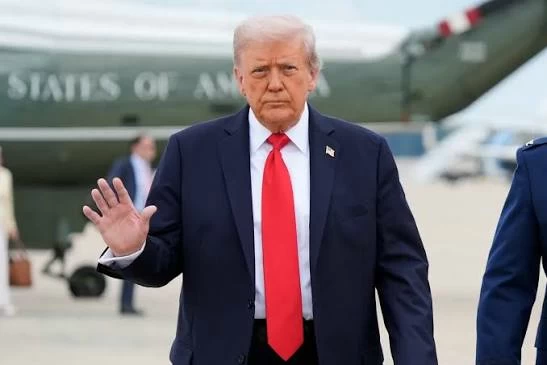
لوّح الرئيس الأمريكي دونالد ترمب بالسيطرة على مضيق هرمز، بعد إعلان إيران وقف التزامها ببنود مذكرة التفاهم الموقعة بين الجانبين. وأعلن ترمب في منشور جديد، اليوم (الإثنين)، أن الولايات المتحدة «ستتقاضى رسوماً مقابل حراسة المضيق»، لافتاً إلى أن واشنطن كان لديها اتفاق مع طهران «وهم نقضوه وسنكون حراس المضيق».
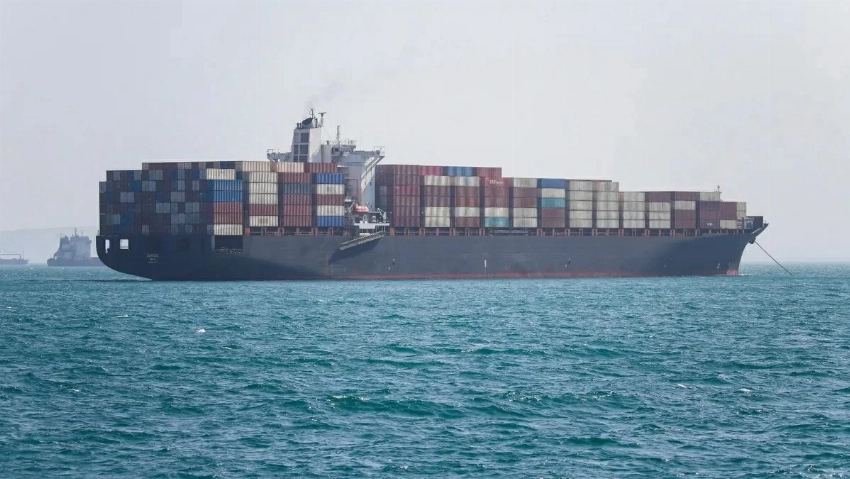
سفينة شحن في مضيق هرمز
وذكرت وكالة «بلومبيرغ»، أن عدداً محدوداً من السفن عبر مضيق هرمز سراً خلال الأيام القليلة الماضية، في وقت توقفت فيه تقريباً عمليات العبور المرصودة بشكل كامل، وسط تصعيد عسكري بين الولايات المتحدة وإيران.
ووفقاً لبيانات أولية من شركة Kpler، فإن جميع ناقلات السلع الست التي عبرت مضيق هرمز (الأحد)، مرت من المضيق بعد إيقاف أجهزة الإرسال والاستقبال الخاصة بها.
وتجاوزت عمليات العبور السرية التي تُعرف باسم «العبور المظلم» (dark crossings) عمليات العبور المرصودة خلال الأيام الثلاثة السابقة.
وأظهرت بيانات تتبع السفن المستندة إلى إشارات نظام التعريف الآلي (AIS)، اليوم، أن ناقلة صغيرة من «الأسطول المظلم»، إضافة إلى سفينة شحن، تحاولان عبور المضيق.
وبخلاف عمليات العبور القليلة التي أمكن رصدها، ظهرت سفن خلال الأيام الأخيرة، على أحد جانبي مضيق هرمز، بعد أن كانت قد بثت آخر مواقعها من الجانب الآخر، ما يشير إلى أنها عبرت المضيق دون تشغيل أجهزة الإرسال الخاصة بها.
ويأتي توجه مالكي السفن لإخفاء تحركاتهم أثناء عبور مضيق هرمز في وقت تتصاعد فيه حدة المواجهات العسكرية بين الولايات المتحدة وإيران. وتطرح كل منهما رواية مختلفة بشأن الجهة التي تسيطر على المضيق.
من جانبه، اعتبر باسم وزارة الخارجية الإيرانية، أن السفن التي تسلك المسار المدعوم أمريكياً «تواجه مخاطر».
وتوقفت عمليات العبور المرصودة عبر الممر الجنوبي بمحاذاة الساحل العماني بشكل كامل، إذ حدث آخر عبور عبر هذا المسار (الأربعاء). ويختلف ذلك عن الممر الشمالي، الذي حددته إيران باعتباره مساراً آمناً، والذي استمر في استقبال عدد محدود من عمليات العبور حتى (السبت).
وأدت سلسلة الهجمات الإيرانية على السفن التي استخدمت الممر العماني، بما في ذلك بعض السفن التي أوقفت أجهزة الإرسال الخاصة بها، إلى عزوف السفن عن هذا المسار.
أما الخيار الآخر أمام مالكي السفن فهو استخدام الممر الشمالي، لكن ذلك قد يعرضهم لتكاليف تفرضها إيران، إضافة إلى خطر التعرض لعقوبات من الولايات المتحدة.
وأصبحت عمليات العبور السرية في مضيق هرمز شائعة للمرة الأولى في منتصف أبريل، عندما بدأت ناقلات نفط في إيقاف أجهزة التتبع الخاصة بها.
U.S. President Donald Trump threatened to take control of the Strait of Hormuz after Iran announced it would stop adhering to the terms of the memorandum of understanding signed between the two sides. In a new post today (Monday), Trump stated that the United States "will charge fees for guarding the strait," noting that Washington had an agreement with Tehran "which they violated, and we will be the guardians of the strait."
سفينة شحن في مضيق هرمز
Bloomberg reported that a limited number of ships have secretly crossed the Strait of Hormuz in recent days, while almost all observed crossing operations have stopped amid escalating military tensions between the United States and Iran.
According to preliminary data from Kpler, all six cargo tankers that crossed the Strait of Hormuz on Sunday passed through the strait after turning off their transponders.
Secret crossings, known as "dark crossings," have exceeded the observed crossings during the previous three days.
Data from ship tracking based on Automatic Identification System (AIS) signals today showed that a small tanker from the "dark fleet," along with a cargo ship, are attempting to cross the strait.
Aside from the few crossings that could be observed, ships have appeared in recent days on one side of the Strait of Hormuz after having broadcast their last locations from the other side, indicating that they crossed the strait without activating their transponders.
Ship owners' tendency to conceal their movements while crossing the Strait of Hormuz comes at a time when military confrontations between the United States and Iran are escalating. Each side presents a different narrative regarding who controls the strait.
For its part, the Iranian Foreign Ministry considered that ships taking the U.S.-backed route "face risks."
Observed crossing operations through the southern corridor along the Omani coast have completely stopped, with the last crossing through this route occurring on Wednesday. This is different from the northern corridor, which Iran has designated as a safe route, and which continued to receive a limited number of crossings until Saturday.
A series of Iranian attacks on ships that used the Omani corridor, including some vessels that turned off their transponders, has deterred ships from this route.
The other option for ship owners is to use the northern corridor, but this may expose them to costs imposed by Iran, in addition to the risk of facing sanctions from the United States.
Secret crossings in the Strait of Hormuz became common for the first time in mid-April when oil tankers began turning off their tracking devices.