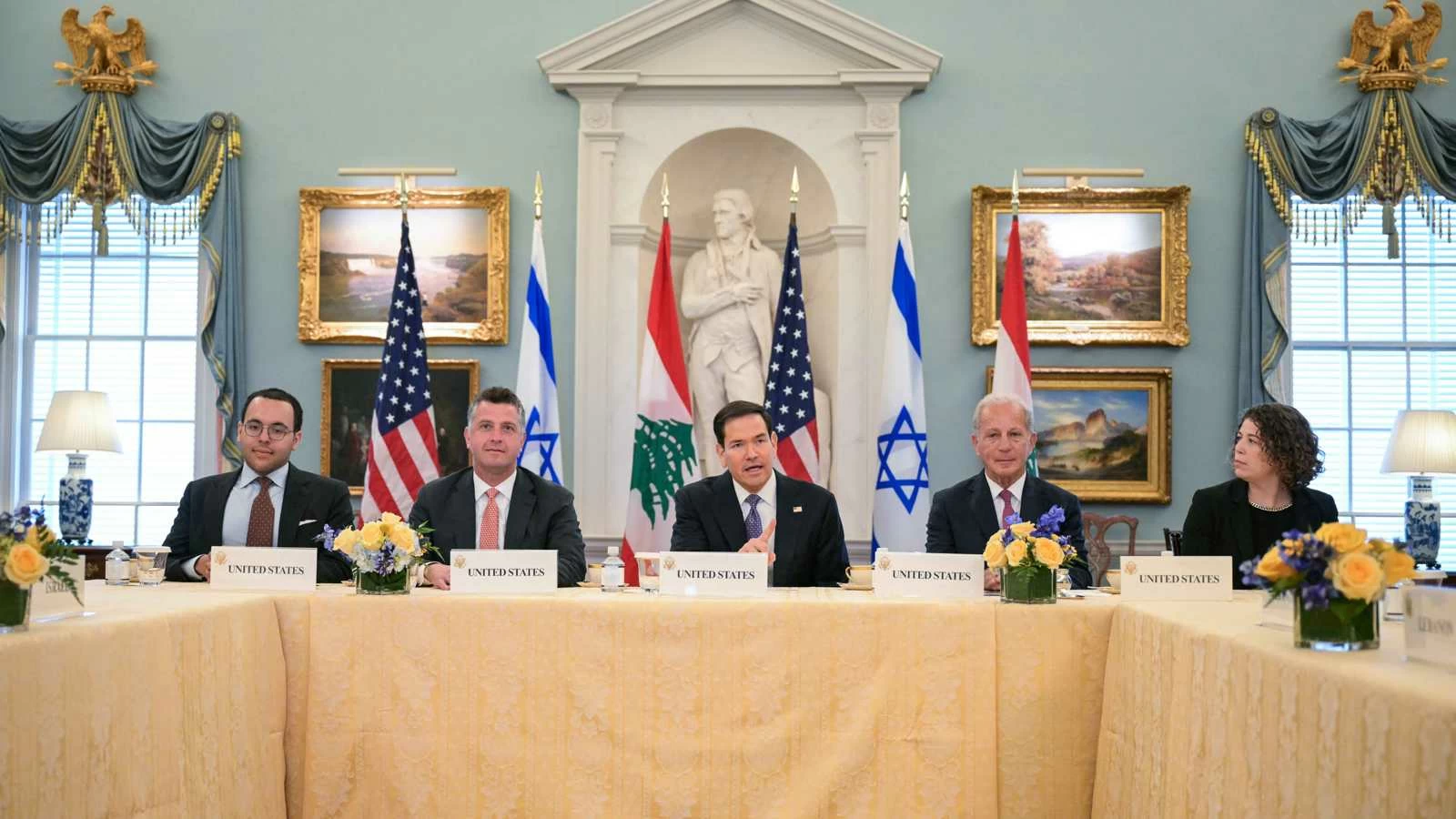
تستضيف العاصمة الإيطالية روما، غداً (الثلاثاء)، جولة المفاوضات السادسة بين لبنان وإسرائيل، في أول اختبار عملي لبنية «اتفاق الإطار» الموقّع في واشنطن، وسط تحديات ميدانية وسياسية تتجاوز الطابع التقني للمباحثات.
ويقود الوفد اللبناني في هذه الجولة سفيرة لبنان في واشنطن ندى معوض والسفير سيمون كرم، بمواجهة سفير إسرائيل لدى واشنطن يحيئيل ليتر، وتحت رعاية أمريكية ثلاثية ومباشرة يمثلها رئيس لجنة التنسيق العسكرية الأمريكية الجنرال جوزيف كليرفيلد، إلى جانب قيادة القوات المركزية «سنتكوم».
ويشكل بند الانسحاب الإسرائيلي من «المنطقتين التجريبيتين» في جنوب لبنان العقدة الأساسية على طاولة البحث، إذ جرى الاتفاق سابقاً على هذه الخطوة كآلية أولى لبسط سيادة الدولة. ويكمن لغم التفاوض الحقيقي في الشروط المتبادلة، إذ يربط الجانب الإسرائيلي انسحابه بتحمل الجيش اللبناني المسؤولية الأمنية الكاملة وإخراج عناصر حزب الله كلياً من هاتين المنطقتين، في حين تصر بيروت، بدعم مستند إلى أجواء زيارة الوفد العسكري الأمريكي لوزارة الدفاع اللبنانية أخيراً، على أن الانسحاب الفوري وتثبيت التهدئة هما الممر الإلزامي لبناء الثقة، وليسا نتيجة لشروط مسبقة.
إلى جانب العقد الميدانية، تعكس جولة روما تحولاً في المظلة الدولية الراعية، فالضمانات الأمريكية التي بددت الهواجس اللبنانية حولت اللقاء من صيغة «ثنائية» إلى مظلة «ثلاثية» برعاية واشنطن وإشرافها المباشر على تشكيل اللجان الفنية والسياسية المنبثقة عن الاتفاق، ما يضع الولايات المتحدة في موقع الضامن المباشر لمنع أي ارتدادات ناجمة عن التصعيد الإقليمي المستمر.
هذا المسار التفاوضي الخارجي يتحرك بالتوازي مع انقسام داخلي لبناني حاد، فبينما يندفع كل من الرئيسين جوزيف عون ونواف سلام، نحو تثبيت الاتفاق تمهيداً لزيارة عون المرتقبة إلى واشنطن في الـ21 من الشهر الجاري، تبرز معارضة علنية حادة لاتفاق الإطار وتعتبره باطلاً.
وبين هذه الضغوط المتقاطعة والشروط الميدانية المعقدة، تمثل الساعات القادمة في روما الركيزة الأساسية لولادة خريطة طريق مستدامة للجنوب، أو بداية لجولة جديدة من التعثر الفني الذي يعيد الأزمة إلى مربعها الأول.
The Italian capital, Rome, will host tomorrow (Tuesday) the sixth round of negotiations between Lebanon and Israel, marking the first practical test of the structure of the "framework agreement" signed in Washington, amid field and political challenges that go beyond the technical nature of the discussions.
The Lebanese delegation in this round is led by Lebanon's Ambassador to Washington, Randa Maawad, and Ambassador Simon Karam, facing Israel's Ambassador to Washington, Mike Herzog, under the direct and tri-partite American sponsorship represented by the head of the American military coordination committee, General Joseph Clairfield, alongside the leadership of Central Command "CENTCOM".
The issue of the Israeli withdrawal from the "two experimental areas" in southern Lebanon constitutes the main sticking point on the negotiation table, as this step was previously agreed upon as the first mechanism to establish the state's sovereignty. The real negotiation mine lies in the mutual conditions, as the Israeli side links its withdrawal to the Lebanese army assuming full security responsibility and completely removing Hezbollah elements from these two areas, while Beirut insists, supported by the atmosphere of the recent visit of the American military delegation to the Lebanese Ministry of Defense, that immediate withdrawal and stabilizing the ceasefire are the mandatory pathways to build trust, and not a result of preconditions.
Alongside the field obstacles, the Rome round reflects a shift in the international sponsoring umbrella, as the American guarantees that alleviated Lebanese concerns transformed the meeting from a "bilateral" format to a "tri-partite" umbrella under Washington's sponsorship and direct supervision over the formation of the technical and political committees arising from the agreement, placing the United States in the position of a direct guarantor to prevent any repercussions resulting from the ongoing regional escalation.
This external negotiation process is moving in parallel with a sharp internal Lebanese division, as both Presidents Joseph Aoun and Nawaf Salam push towards solidifying the agreement in preparation for Aoun's anticipated visit to Washington on the 21st of this month, while a strong public opposition to the framework agreement emerges, deeming it invalid.
Amid these intersecting pressures and complex field conditions, the coming hours in Rome represent the essential cornerstone for the birth of a sustainable roadmap for the south, or the beginning of a new round of technical stumbling that brings the crisis back to its initial square.