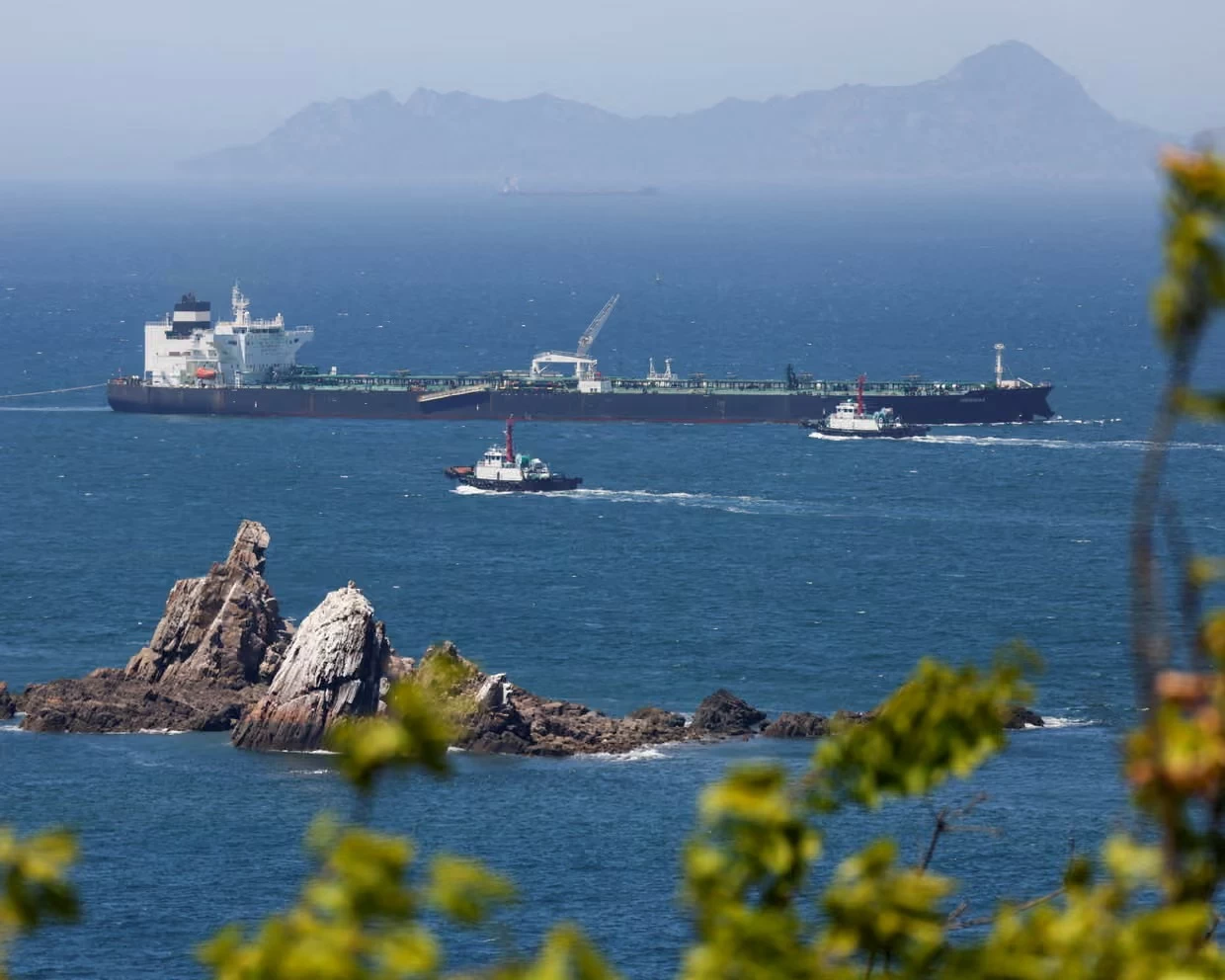
تدرس دول أوروبية مقترحات جديدة لتنظيم حركة الملاحة في مضيق هرمز، تتضمن إمكانية فرض رسوم طوعية مقابل خدمات ملاحية تقدم للسفن العابرة، شريطة ألا تكون إلزامية وأن تحظى بدعم المنظمة البحرية الدولية، في وقت تتواصل فيه الجهود الدبلوماسية لخفض التوتر في أحد أهم الممرات البحرية لنقل النفط في العالم، وفق ما أفادت به صحيفة «الغارديان» البريطانية.
وتأتي هذه التحركات بالتزامن مع ضغوط أمريكية متزايدة على إيران لإصدار إعلان رسمي يؤكد أن المضيق مفتوح أمام الملاحة التجارية، مع تقديم ضمانات بعدم استهداف السفن العابرة مستقبلاً، وسط اتهامات أمريكية بوجود خلافات داخل دوائر صنع القرار في طهران تعرقل تنفيذ أي تفاهمات طويلة الأمد.
لندن: الرسوم الإلزامية ستكون «كارثية»
وقال نائب رئيس الوزراء البريطاني ديفيد لامي، إن فرض رسوم إلزامية على السفن العابرة سيكون «كارثياً»، إلا أن مسؤولين آخرين في الحكومة البريطانية أشاروا إلى أن القانون الدولي يسمح في بعض الممرات البحرية الطبيعية بتحصيل رسوم مقابل خدمات ملاحية محددة، كما هو معمول به في مضيق ملقا بين المحيطين الهندي والهادئ.
ويقوم المقترح المطروح على تكييف آلية العمل المعمول بها في مضيق ملقا لتناسب ظروف مضيق هرمز، بحيث تكون الرسوم اختيارية ومخصصة لتحسين خدمات السلامة البحرية والاستجابة للطوارئ، وليس مقابل مجرد عبور السفن.
سلطنة عمان تقود المبادرة
وكشفت مصادر دبلوماسية أن سلطنة عمان، التي تسيطر على الجزء الأكبر من المياه الصالحة للملاحة في المضيق، أعدت بالفعل تصوراً قانونياً بالتعاون مع خبراء بريطانيين، وعرضت إرسال فريق من المختصين إلى طهران لشرح تفاصيل المبادرة للمسؤولين الإيرانيين.
وأكدت مسقط رفضها فرض رسوم إلزامية على السفن، لكنها تدعم إنشاء آلية تعاون طوعية تهدف إلى تعزيز سلامة الملاحة، وحماية البيئة البحرية، وتقليل مخاطر الحوادث والتلوث والاستعداد لحالات الطوارئ.
إيران وعُمان تبحثان مستقبل المضيق
وأفادت وكالة الأنباء الإيرانية الرسمية (إرنا) بأن وزير الخارجية الإيراني عباس عراقجي توجه إلى سلطنة عمان لإجراء محادثات تركز على مستقبل مضيق هرمز وأمن الملاحة البحرية، في إطار مشاورات مستمرة بين البلدين خلال الشهرين الماضيين.
وقال المتحدث باسم الخارجية الإيرانية إسماعيل بقائي، إن الزيارة تأتي لاستكمال النقاشات المتعلقة بالمضيق وسبل ضمان أمن حركة السفن.
كما أعلنت السفارة الإيرانية في لندن اهتمامها بمقترحات أعدتها مجموعة أبحاث مستقلة متخصصة في سياسات الطاقة، ترى أن فرض رسوم شفافة مقابل خدمات ملاحية، ضمن إطار إقليمي متفق عليه، قد يشجع جميع الأطراف على التعاون، مؤكدة أن الفكرة لا تقوم على فرض «ضريبة عبور» على السفن.
انقسام داخل طهران
ووفقاً لدبلوماسيين غربيين، تشهد طهران تبايناً في المواقف بشأن إدارة المضيق، إذ يرى بعض قادة الحرس الثوري الإيراني أن الهجمات الأمريكية الأخيرة تبرر تجاهل قواعد القانون البحري الدولي، بينما يفضل مسؤولون آخرون التعاون مع المجتمع الدولي للحفاظ على استقرار الملاحة.
وتواجه إيران أيضاً ضغوطاً من دول المنطقة لتوضيح طبيعة الرسوم المقترحة وما إذا كانت ستكون إلزامية بصورة غير مباشرة.
قطر تحذر من منح إيران سيطرة أوسع
من جانبه، حذر المتحدث باسم وزارة الخارجية القطرية ماجد الأنصاري من أي ترتيبات تمنح إيران سيطرة تتعارض مع القانون الدولي على المضيق، قائلاً إن ذلك قد يجعل حركة الملاحة «رهينة لأي طرف متشدد قد يسيطر على المضيق مستقبلاً».
خلافات داخل المنظمة البحرية الدولية
وخلال اجتماع مجلس المنظمة البحرية الدولية في لندن، طالبت مجموعة من الدول الخليجية والأوروبية بإصدار قرار يدين الهجمات التي استهدفت السفن التجارية في مضيق هرمز، إلا أن روسيا والصين رفضتا دعم المشروع.
واعتبرت موسكو أن مشروع القرار تجاهل الأسباب الحقيقية للأزمة، فيما وصفته بكين بأنه «منحاز» ويتجاوز اختصاصات المنظمة البحرية الدولية.
واشنطن تؤكد استمرار الملاحة
وفي سياق متصل، أعلن الرئيس الأمريكي دونالد ترمب، أن اتفاق وقف إطلاق النار المؤقت مع إيران «انتهى»، لكنه أكد استمرار المحادثات الرامية إلى التوصل إلى اتفاق دائم، كما هدد طهران برد عسكري واسع إذا حاولت استهدافه.
وتقول القيادة المركزية الأمريكية إن قواتها ساعدت منذ أوائل مايو على تأمين عبور أكثر من 800 سفينة تجارية ونقل نحو 380 مليون برميل من النفط الخام عبر مضيق هرمز، رغم التوترات الأمنية.
في المقابل، أكد سلاح البحرية التابع للحرس الثوري الإيراني أن «القوات الأجنبية لا دور لها في هذه الأرض أو في مضيق هرمز»، مشدداً على أن إيران أوفت بالتزاماتها الواردة في مذكرة التفاهم الأخيرة وفق تفسيرها الخاص.
خلاف حول مسارات العبور
ولا يزال الخلاف قائماً بشأن آلية إدارة حركة السفن، إذ يحاول الدبلوماسيون تحديد ما إذا كانت إيران تطالب جميع السفن باستخدام المسار الشمالي القريب من سواحلها، أو تشترط الحصول على موافقة مسبقة من هيئة إدارة مضيق هرمز قبل استخدام المسار الجنوبي.
ويرى مراقبون أن مستقبل الملاحة في مضيق هرمز سيظل مرتبطاً بنتائج المفاوضات الجارية بين إيران وسلطنة عمان والولايات المتحدة، إضافة إلى موقف المنظمة البحرية الدولية من أي آلية جديدة لإدارة أحد أهم الممرات الإستراتيجية لتجارة الطاقة العالمية.
European countries are studying new proposals to regulate navigation in the Strait of Hormuz, which include the possibility of imposing voluntary fees for maritime services provided to passing ships, provided that these fees are not mandatory and receive support from the International Maritime Organization, at a time when diplomatic efforts continue to reduce tensions in one of the world's most important maritime routes for oil transport, according to the British newspaper "The Guardian."
These moves come in conjunction with increasing American pressure on Iran to issue an official statement confirming that the strait is open to commercial navigation, along with guarantees that passing ships will not be targeted in the future, amid American accusations of internal disagreements within decision-making circles in Tehran that hinder the implementation of any long-term understandings.
London: Mandatory fees would be "catastrophic"
British Deputy Prime Minister David Lamy stated that imposing mandatory fees on passing ships would be "catastrophic," although other officials in the British government pointed out that international law allows for the collection of fees for specific maritime services in certain natural maritime passages, as is practiced in the Strait of Malacca between the Indian and Pacific Oceans.
The proposed plan is based on adapting the working mechanism used in the Strait of Malacca to suit the conditions of the Strait of Hormuz, so that the fees are optional and aimed at improving maritime safety services and emergency response, rather than merely for the passage of ships.
Oman leads the initiative
Diplomatic sources revealed that Oman, which controls the majority of the navigable waters in the strait, has already prepared a legal framework in cooperation with British experts and offered to send a team of specialists to Tehran to explain the details of the initiative to Iranian officials.
Muscat confirmed its rejection of imposing mandatory fees on ships, but it supports the establishment of a voluntary cooperation mechanism aimed at enhancing navigation safety, protecting the marine environment, reducing the risks of accidents and pollution, and preparing for emergencies.
Iran and Oman discuss the future of the strait
The Iranian official news agency (IRNA) reported that Iranian Foreign Minister Abbas Araghchi traveled to Oman for talks focused on the future of the Strait of Hormuz and maritime security, as part of ongoing consultations between the two countries over the past two months.
Iranian Foreign Ministry spokesman Ismail Baghaei stated that the visit aims to complete discussions related to the strait and ways to ensure the security of ship movements.
The Iranian embassy in London also announced its interest in proposals prepared by an independent research group specializing in energy policies, which sees that imposing transparent fees for maritime services, within an agreed regional framework, could encourage all parties to cooperate, emphasizing that the idea does not involve imposing a "transit tax" on ships.
Division within Tehran
According to Western diplomats, Tehran is experiencing a divergence of views regarding the management of the strait, as some leaders of the Iranian Revolutionary Guard believe that recent American attacks justify ignoring the rules of international maritime law, while other officials prefer to cooperate with the international community to maintain navigation stability.
Iran is also facing pressure from regional countries to clarify the nature of the proposed fees and whether they will be indirectly mandatory.
Qatar warns against granting Iran wider control
For its part, Qatari Foreign Ministry spokesman Majid Al-Ansari warned against any arrangements that grant Iran control over the strait that contradicts international law, stating that this could make navigation "hostage to any hardline party that may control the strait in the future."
Disagreements within the International Maritime Organization
During a meeting of the International Maritime Organization Council in London, a group of Gulf and European countries called for a resolution condemning the attacks targeting commercial ships in the Strait of Hormuz, but Russia and China refused to support the project.
Moscow considered that the draft resolution ignored the real causes of the crisis, while Beijing described it as "biased" and exceeding the competencies of the International Maritime Organization.
Washington confirms navigation continues
In a related context, U.S. President Donald Trump announced that the temporary ceasefire agreement with Iran "has ended," but he confirmed that talks aimed at reaching a permanent agreement continue, and he threatened Tehran with a wide military response if it attempted to target him.
The U.S. Central Command states that its forces have helped secure the passage of more than 800 commercial ships and the transport of about 380 million barrels of crude oil through the Strait of Hormuz since early May, despite security tensions.
In contrast, the naval forces of the Iranian Revolutionary Guard confirmed that "foreign forces have no role in this land or in the Strait of Hormuz," stressing that Iran has fulfilled its commitments outlined in the recent memorandum of understanding according to its own interpretation.
Dispute over transit routes
The dispute remains regarding the mechanism for managing ship movements, as diplomats are trying to determine whether Iran is demanding that all ships use the northern route close to its shores, or if it requires prior approval from the Strait of Hormuz Management Authority before using the southern route.
Observers believe that the future of navigation in the Strait of Hormuz will remain linked to the outcomes of ongoing negotiations between Iran, Oman, and the United States, in addition to the position of the International Maritime Organization regarding any new mechanism for managing one of the most important strategic corridors for global energy trade.