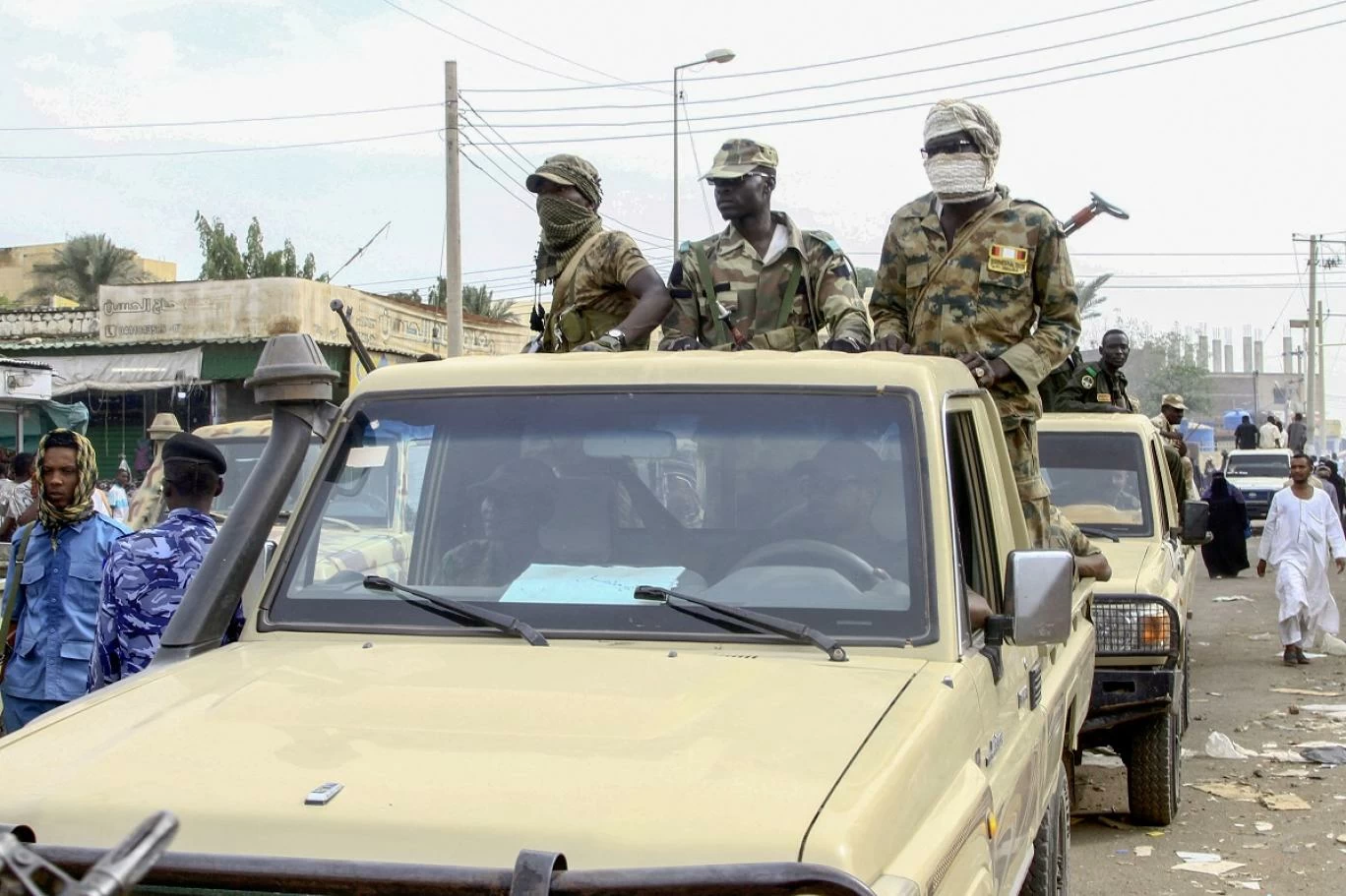
استهدفت قوات الجيش السوداني تجمعات الدعم السريع شمال الأبيض، ودعمت قوات الدعم بتعزيزات نحو مناطق النهود وأبوزبد بغرب ولاية غرب كردفان.
وأظهرت وثائق اطلعت عليها «رويترز» (الجمعة)، أن الجيش السوداني اشترط الانسحاب الكامل لقوات الدعم السريع من المدن التي تسيطر عليها لقبول مقترح أمريكي يهدف لإنهاء الحرب في البلاد.
ووفقاً للوثائق، وافقت الحكومة السودانية في ردها على معظم بنود المقترح، لكنها اعترضت على مسألة الانسحاب المحدود، وقالت إن الخطة يجب أن تشمل انسحاب قوات الدعم السريع من جميع المدن التي سيطرت عليها منذ 11 مايو 2023.
ودعا الاقتراح، الذي استلمته الحكومة في 20 يونيو الماضي، إلى إنشاء آلية بقيادة الأمم المتحدة لدعم عمليات انسحاب محدودة لقوات الدعم السريع مع إعطاء الأولوية لشمال دارفور وشمال كردفان.
وتكتسب الأبيض أهمية إستراتيجية نظراً لموقعها الجغرافي الذي يربط الخرطوم ووسط البلاد بغربها، وتعد أكبر مركز حضري في إقليم كردفان الذي يتألف من ثلاث ولايات وبوابة رئيسية نحو إقليم دارفور، فضلاً عن أنها صارت مأوى لمئات الآلاف من النازحين من ولاية غرب كردفان وجنوبها وإقليم دارفور، إلى جانب سكانها الذين يتجاوز عددهم 600 ألف.
ويسيطر الجيش على الأجزاء الجنوبية من ولاية شمال كردفان التي تشمل مدينتي أم روابة والرهد والطريق القومي الممتد من كوستي في ولاية النيل الأبيض حتى الأبيض، إذ يربطها مع ميناء بورتسودان.
فيما تسيطر قوات الدعم السريع على الأجزاء الشمالية لولاية شمال كردفان وتشمل طريق الصادرات المؤدي إلى أم درمان شمال مدينة الأبيض، إذ تتمركز الدعم السريع في بارا ثالث أكبر مدن الولاية ومناطق عدة على طول هذا الطريق، إلى جانب محليات جبرة الشيخ وسودري وغرب بارا.
The Sudanese army targeted Rapid Support Forces gatherings north of Al-Obeid, and the support forces were reinforced towards the areas of Al-Nuhud and Abu Zabad in the western state of West Kordofan.
Documents reviewed by Reuters (on Friday) showed that the Sudanese army conditioned the complete withdrawal of the Rapid Support Forces from the cities they control in order to accept a U.S. proposal aimed at ending the war in the country.
According to the documents, the Sudanese government agreed in its response to most of the proposal's items, but objected to the issue of limited withdrawal, stating that the plan should include the withdrawal of the Rapid Support Forces from all cities they have controlled since May 11, 2023.
The proposal, which the government received on June 20, called for the establishment of a mechanism led by the United Nations to support limited withdrawal operations of the Rapid Support Forces, prioritizing North Darfur and North Kordofan.
Al-Obeid holds strategic importance due to its geographical location, linking Khartoum and central Sudan to the west. It is the largest urban center in the Kordofan region, which consists of three states, and serves as a main gateway to the Darfur region. Additionally, it has become a refuge for hundreds of thousands of displaced people from West Kordofan and its south, as well as from the Darfur region, alongside its residents, whose number exceeds 600,000.
The army controls the southern parts of North Kordofan state, which include the cities of Umm Rawaba and Al-Rahad and the national road extending from Kosti in White Nile state to Al-Obeid, linking it to the Port Sudan port.
Meanwhile, the Rapid Support Forces control the northern parts of North Kordofan state, including the export road leading to Omdurman north of Al-Obeid city. The Rapid Support Forces are stationed in Bara, the third largest city in the state, and in several areas along this road, as well as in the localities of Jabrat al-Sheikh, Sudari, and West Bara.