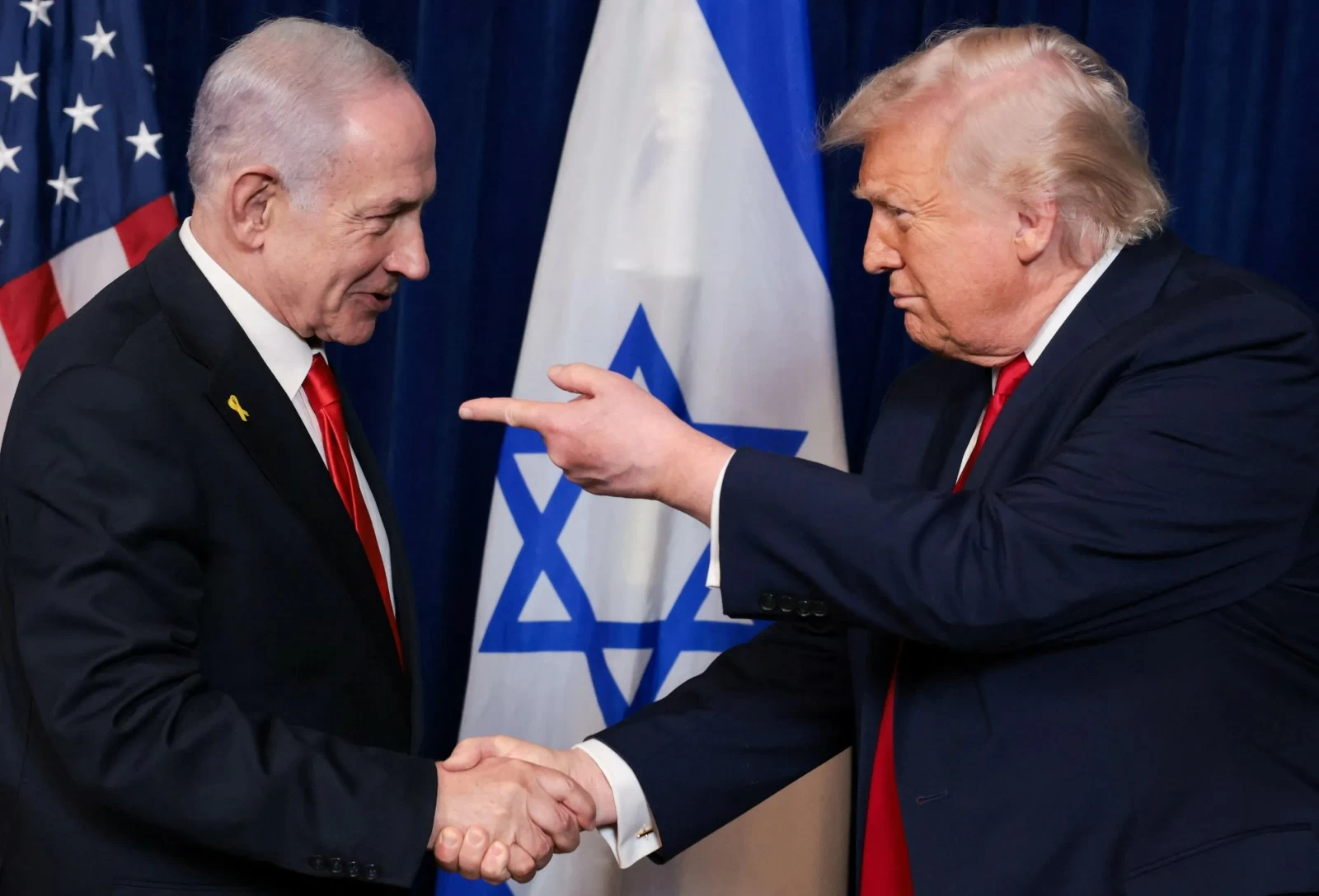
كشفت صحيفة وول ستريت جورنال الأمريكية أن إسرائيل أبلغت الإدارة الأمريكية بمعلومات استخباراتية جديدة تشير إلى وجود مخطط إيراني لاستهداف الرئيس الأمريكي دونالد ترمب، في تطور يعكس تصاعد المخاوف الأمنية المرتبطة بالتوتر المستمر بين واشنطن وطهران.
ووفقًا للصحيفة، نقلت تل أبيب إلى واشنطن معلومات استخباراتية تفيد بوجود تهديد جديد يستهدف ترمب، الذي طالما تعهدت إيران بالانتقام منه عقب الضربة الأمريكية التي أمر بها خلال ولايته الأولى، وأسفرت في يناير 2020 عن مقتل قائد «فيلق القدس» في الحرس الثوري الإيراني، الجنرال قاسم سليماني، قرب مطار بغداد.
ولم تعلق السفارة الإسرائيلية في واشنطن على التقرير، كما لم تصدر البعثة الإيرانية لدى الأمم المتحدة ردًا على طلبات التعليق، بينما أحال البيت الأبيض الصحيفة إلى تصريحات أدلى بها ترمب أخيرا، ألمح فيها إلى وجود تهديدات تستهدف حياته.
وخلال حديثه مع الصحفيين على هامش قمة حلف شمال الأطلسي (الناتو)، قال ترمب: «إنهم يريدون التخلص من قائد الولايات المتحدة.. أنا اسمي مدرج في كل قائمة رأيتها هذا الصباح، وحتى الآن كنت محظوظًا بعض الشيء، لكن ربما لن يدوم ذلك طويلًا».
وأشار تقرير الصحيفة إلى أن هذه التطورات تأتي في وقت تشهد فيه العلاقة بين ترمب ورئيس الوزراء الإسرائيلي بنيامين نتنياهو حالة من التوتر، نتيجة اختلاف وجهات النظر بشأن كيفية التعامل مع إيران بعد المواجهة العسكرية الأخيرة.
توتر مستمر بين ترمب ونتنياهو
وبحسب التقرير، كان نتنياهو يدفع باتجاه مواصلة العمليات العسكرية ضد إيران وتحقيق مزيد من الأهداف، بينما فضل ترمب احتواء التصعيد والسعي إلى مخرج سياسي، خشية انعكاسات استمرار الحرب على الاقتصاد العالمي، خصوصا بعد التوصل إلى اتفاق هش لوقف إطلاق النار بين الولايات المتحدة وإيران الشهر الماضي.
ورغم هذه التباينات، أكد مكتب رئيس الوزراء الإسرائيلي أن نتنياهو أجرى اتصالًا هاتفيًا مع ترمب الخميس، حيث بحث الجانبان آخر التطورات الإقليمية، واتفقا على مواصلة التنسيق بين البلدين، كما أطلع الرئيس الأمريكي رئيس الوزراء الإسرائيلي على المستجدات المتعلقة بالنشاط الأمريكي في منطقة الخليج.
وأضاف التقرير أن ترمب ونتنياهو كانا على تواصل مكثف خلال المراحل الأولى من المواجهة مع إيران، حيث تبادلا المعلومات الاستخباراتية والتقييمات العسكرية عبر اتصالات متكررة، إلا أن تلك العلاقة شهدت في الأسابيع الأخيرة مؤشرات على فتور بسبب تباين أولويات الطرفين.
اتهامات متكررة
وتتهم الولايات المتحدة إيران منذ سنوات بالتخطيط لاستهداف مسؤولين أمريكيين سابقين وحاليين، على خلفية عملية اغتيال قائد «فيلق القدس» قاسم سليماني مطلع عام 2020، وهي العملية التي شكلت نقطة تحول في العلاقات بين البلدين.
وفي المقابل، تنفي طهران باستمرار الاتهامات الأمريكية والإسرائيلية بشأن تورطها في مخططات لاغتيال مسؤولين أمريكيين، معتبرة أنها جزء من الضغوط السياسية والإعلامية الممارسة عليها.
وكانت أجهزة الأمن الأمريكية أعلنت خلال العامين الماضيين إحباط عدة محاولات مزعومة لاستهداف شخصيات أمريكية مرتبطة بقرار اغتيال سليماني، كما عززت إجراءات الحماية الأمنية حول ترمب خلال حملته الانتخابية وبعد عودته إلى البيت الأبيض، في ظل استمرار التحذيرات من تهديدات خارجية.
The American newspaper The Wall Street Journal revealed that Israel has informed the U.S. administration of new intelligence indicating an Iranian plot to target U.S. President Donald Trump, in a development that reflects the rising security concerns associated with the ongoing tensions between Washington and Tehran.
According to the newspaper, Tel Aviv conveyed to Washington intelligence suggesting a new threat targeting Trump, who Iran has long vowed to take revenge on following the American strike he ordered during his first term, which resulted in the killing of the commander of the Iranian Revolutionary Guard's Quds Force, General Qassem Soleimani, near Baghdad Airport in January 2020.
The Israeli embassy in Washington did not comment on the report, nor did the Iranian mission to the United Nations respond to requests for comment, while the White House referred the newspaper to recent statements made by Trump, in which he hinted at threats to his life.
During a conversation with reporters on the sidelines of the NATO summit, Trump said: "They want to get rid of the leader of the United States... My name is on every list I saw this morning, and so far I've been a bit lucky, but maybe that won't last long."
The newspaper's report indicated that these developments come at a time when the relationship between Trump and Israeli Prime Minister Benjamin Netanyahu is experiencing tension, due to differing views on how to deal with Iran following the recent military confrontation.
Ongoing Tension Between Trump and Netanyahu
According to the report, Netanyahu has been pushing for continued military operations against Iran and achieving more objectives, while Trump preferred to contain the escalation and seek a political exit, fearing the repercussions of continued war on the global economy, especially after reaching a fragile ceasefire agreement between the U.S. and Iran last month.
Despite these differences, the Israeli Prime Minister's office confirmed that Netanyahu had a phone call with Trump on Thursday, where the two sides discussed the latest regional developments and agreed to continue coordination between the two countries, with the American president updating the Israeli Prime Minister on the latest regarding American activity in the Gulf region.
The report added that Trump and Netanyahu were in intensive communication during the early stages of the confrontation with Iran, exchanging intelligence and military assessments through repeated calls, but that relationship has recently shown signs of cooling due to the differing priorities of both parties.
Repeated Accusations
The United States has accused Iran for years of planning to target current and former American officials, in the wake of the assassination of Quds Force commander Qassem Soleimani in early 2020, an operation that marked a turning point in relations between the two countries.
In contrast, Tehran continuously denies the American and Israeli accusations regarding its involvement in plots to assassinate American officials, considering them part of the political and media pressures exerted on it.
U.S. security agencies announced over the past two years that they had thwarted several alleged attempts to target American figures linked to the decision to assassinate Soleimani, and they have also increased security protection measures around Trump during his election campaign and after his return to the White House, amid ongoing warnings of external threats.