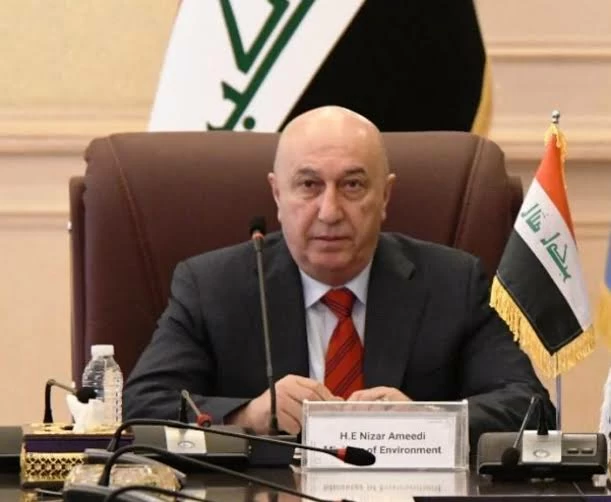
أفصح الرئيس العراقي نزار آميدي عن أن سلطات بلاده ستتجه بعد حملة مكافحة الفساد إلى سلاح الفصائل والملف الأمني مع تركيا.
وفي مقابلة مع قناتي«العربية/الحدث»، اليوم السبت، شدد آميدي على أنه لا رجوع عن قرار حصر السلاح بيد الدولة، مؤكداً أن «حصر السلاح أهم ملف ينتظر الحكومة».
وأكد أن بغداد ستعالج ملف الفصائل المسلحة بطريقة حكيمة. وكشف أن «إيران تلقت رسائل من بغداد بضرورة بدء مفاوضات حول الحدود والسيادة والفصائل». وجدد تأكيد أنه لا تراجع عن مكافحة الفساد، الذي اعتبر أنه لا يقل خطراً عن الإرهاب. وأقر بأن الوضع الأمني العراقي لا يزال هشّاً. ولفت إلى أن العراق يرفض استخدام أراضيه لاستهداف دول الجوار. وأضاف أن «أمن الخليج من أمن العراق وأمن العراق من أمن المنطقة».
وأعلن آميدي أن «العراق لن يكون مع إيران ضد واشنطن ولا مع واشنطن ضد إيران».
أكد أن السلطات العراقية تسعى إلى أفضل العلاقات الاستراتيجية مع السعودية.
وكانت 3 فصائل مسلحة أعلنت الشهر الماضي قبولها بتسليم السلاح، وهي «سرايا السلام»، و«عصائب أهل الحق»، و«كتائب الإمام علي». فيما أكدت 6 فصائل أخرى رفضها تسليم السلاح، وهي كتائب «سيد الشهداء»، وحركة النجباء، وكتائب حزب الله العراقي، و«سرايا أولياء الدم»، و«أصحاب الكهف»، التي كانت لها مشاركة واسعة في الحرب الإيرانية-الأمريكية-الإسرائيلية، التي اندلعت في 28 فبراير الماضي، إضافة إلى كتائب كربلاء.
يذكر أن واشنطن ضغطت من أجل تسلم سلاح الفصائل الموالية. وعلى خلفية هجمات بعض تلك الفصائل على مصالح أمريكية خلال الحرب الأخيرة، علّقت واشنطن المدفوعات النقدية لعائدات النفط العراقي التي كانت تتولاها بموجب اتفاقية تعود إلى ما بعد الغزو الأمريكي، إضافة إلى المساعدات الأمنية، قبل أن تعود وترفع هذا التعليق الخميس الماضي.
The Iraqi President Nizar Amidi revealed that his country's authorities will turn to the issue of armed factions and the security file with Turkey after the anti-corruption campaign.
In an interview with the "Al Arabiya/Al Hadath" channels today, Saturday, Amidi emphasized that there is no turning back from the decision to restrict weapons to the hands of the state, confirming that "restricting weapons is the most important file awaiting the government."
He confirmed that Baghdad will address the issue of armed factions wisely. He disclosed that "Iran has received messages from Baghdad about the necessity of starting negotiations regarding borders, sovereignty, and factions." He reiterated that there is no retreat from fighting corruption, which he considered to be no less dangerous than terrorism. He acknowledged that the security situation in Iraq remains fragile. He pointed out that Iraq rejects the use of its territory to target neighboring countries. He added that "the security of the Gulf is part of Iraq's security, and Iraq's security is part of the region's security."
Amidi announced that "Iraq will not be with Iran against Washington, nor with Washington against Iran."
He confirmed that the Iraqi authorities are seeking the best strategic relations with Saudi Arabia.
Last month, three armed factions announced their acceptance to hand over their weapons, namely "Saraya al-Salam," "Asa'ib Ahl al-Haq," and "Kata'ib Imam Ali." Meanwhile, six other factions confirmed their refusal to hand over their weapons, including "Kata'ib Sayyid al-Shuhada," the al-Nujaba Movement, the Iraqi Hezbollah Brigades, "Saraya Awliya al-Dam," "Ahl al-Kahf," which had significant participation in the Iranian-American-Israeli war that erupted on February 28, in addition to the Karbala Brigades.
It is worth noting that Washington pressured for the disarmament of the loyal factions. Following attacks by some of these factions on American interests during the recent war, Washington suspended cash payments for Iraqi oil revenues that it was managing under an agreement dating back to after the American invasion, in addition to security assistance, before lifting this suspension last Thursday.