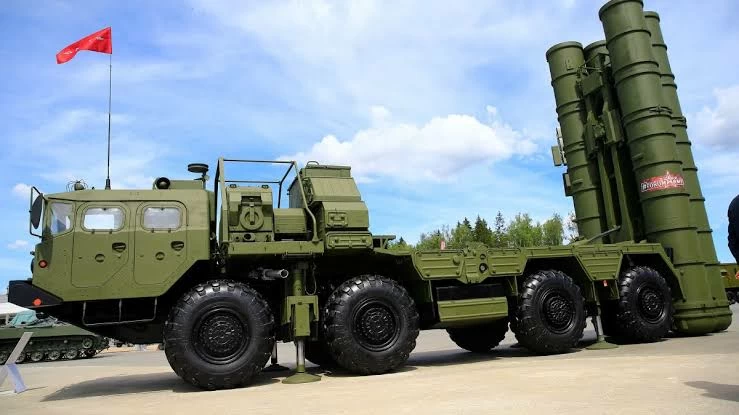
كشفت صحيفة «يوروأكتيف» عن دراسة تركيا سيناريو جديداً للتخلص من منظومات الدفاع الجوي الروسية «إس-400»، عبر بيعها إلى كوريا الجنوبية، في خطوة قد تمهد الطريق أمام استعادة علاقاتها الدفاعية مع الولايات المتحدة والعودة إلى برنامج مقاتلات «إف-35».
ونقلت الصحيفة، عن مصادر مطلعة، أن أنقرة لم تتخذ قراراً نهائياً بشأن هذه الخطوة، إلا أن أي تقدم في ملف حصولها على مقاتلات «إف-35» الأمريكية سيظل -على الأرجح- مرتبطاً بإيجاد صيغة للتخلص من منظومات «إس-400» دون إعادتها إلى روسيا، مع طرح كوريا الجنوبية كأحد الخيارات المطروحة لاستقبال تلك المنظومات.
وبحسب المصادر، فإن واشنطن تبدو أكثر انفتاحاً على تعزيز التعاون الدفاعي مع أنقرة، مشيرة إلى أن الولايات المتحدة قد توافق على بيع محركات أمريكية لمقاتلات «كان» التركية من الجيل الخامس، التي لا تزال قيد التطوير.
وكانت وكالة «رويترز» قد ذكرت في وقت سابق أن إدارة الرئيس الأمريكي دونالد ترمب تعتزم الموافقة على صفقة بقيمة 700 مليون دولار لتزويد تركيا بهذه المحركات، في مؤشر إلى تحسن نسبي في العلاقات الدفاعية بين البلدين.
وفي المقابل، لفتت «يوروأكتيف» إلى أن التقارب العسكري بين واشنطن وأنقرة يثير مخاوف لدى كل من إسرائيل واليونان، إذ اعتبر السفير الإسرائيلي لدى اليونان، نوعام كاتس، أن السياسات التي تنتهجها تركيا تمثل سبباً كافياً لرفض إعادة إدماجها في برنامج «إف-35».
ويأتي التقرير الأوروبي بعد أسابيع من تقارير إعلامية أشارت إلى احتمال إعادة تركيا منظومات «إس-400» إلى روسيا، وهي الأنباء التي نفى «الكرملين» صحتها، مؤكداً عدم وجود مثل هذه الترتيبات.
وفي حال مضت أنقرة في بيع المنظومات إلى طرف ثالث، فقد يشكل ذلك مخرجاً دبلوماسياً وعسكرياً للأزمة التي ألقت بظلالها على العلاقات التركية الأمريكية منذ سنوات.
وبدأت أزمة «إس-400» بين تركيا والولايات المتحدة عام 2017، عندما وقعت أنقرة اتفاقاً مع موسكو لشراء منظومات الدفاع الجوي الروسية، قبل أن تبدأ عملية التسليم في 2019، رغم التحذيرات الأمريكية من أن تشغيل المنظومة الروسية إلى جانب مقاتلات «إف-35» قد يهدد أمن التكنولوجيا العسكرية الغربية.
ورداً على ذلك، قررت واشنطن في 2019 استبعاد تركيا من برنامج إنتاج واقتناء مقاتلات «إف-35»، وفرضت لاحقاً عقوبات عليها بموجب قانون «كاتسا» (CAATSA)، رغم أن أنقرة كانت شريكاً صناعياً رئيسياً في البرنامج، وسددت بالفعل قيمة الدفعة الأولى من المقاتلات التي كانت قد تعاقدت عليها.
ومنذ ذلك الحين، تسعى تركيا إلى إيجاد صيغة تعيد تطبيع التعاون الدفاعي مع الولايات المتحدة، بالتوازي مع تطوير مقاتلتها المحلية «كان» (KAAN)، التي تعد أبرز مشاريع الصناعات الجوية التركية، في إطار مساعيها لتقليل الاعتماد على المقاتلات الأجنبية وتعزيز قدراتها العسكرية محلياً.
The newspaper "Euractiv" revealed that Turkey is exploring a new scenario to dispose of the Russian S-400 air defense systems by selling them to South Korea, a move that could pave the way for restoring its defense relations with the United States and returning to the F-35 fighter jet program.
The newspaper reported, citing informed sources, that Ankara has not made a final decision regarding this step, but any progress in its bid to acquire American F-35 fighter jets will likely remain linked to finding a way to dispose of the S-400 systems without returning them to Russia, with South Korea being presented as one of the options for receiving those systems.
According to the sources, Washington appears to be more open to enhancing defense cooperation with Ankara, noting that the United States may agree to sell American engines for the Turkish "Kaan" fifth-generation fighter jets, which are still under development.
Earlier, Reuters reported that the administration of President Donald Trump intends to approve a $700 million deal to supply Turkey with these engines, indicating a relative improvement in defense relations between the two countries.
In contrast, "Euractiv" pointed out that the military rapprochement between Washington and Ankara raises concerns for both Israel and Greece, as the Israeli ambassador to Greece, Noam Katz, considered that Turkey's policies provide sufficient reason to reject its reintegration into the F-35 program.
The European report comes after weeks of media reports suggesting the possibility of Turkey returning the S-400 systems to Russia, news that the Kremlin denied, affirming that there are no such arrangements.
If Ankara proceeds with selling the systems to a third party, it could provide a diplomatic and military exit for the crisis that has overshadowed Turkish-American relations for years.
The S-400 crisis between Turkey and the United States began in 2017 when Ankara signed an agreement with Moscow to purchase the Russian air defense systems, before the delivery process began in 2019, despite American warnings that operating the Russian system alongside the F-35 fighter jets could threaten the security of Western military technology.
In response, Washington decided in 2019 to exclude Turkey from the F-35 production and acquisition program and later imposed sanctions on it under the CAATSA law, despite Ankara being a key industrial partner in the program and having already paid the first installment for the fighter jets it had contracted.
Since then, Turkey has been seeking to find a formula to normalize defense cooperation with the United States, alongside the development of its domestic "Kaan" fighter jet, which is one of the most prominent projects in Turkish aerospace industries, as part of its efforts to reduce reliance on foreign fighters and enhance its military capabilities locally.