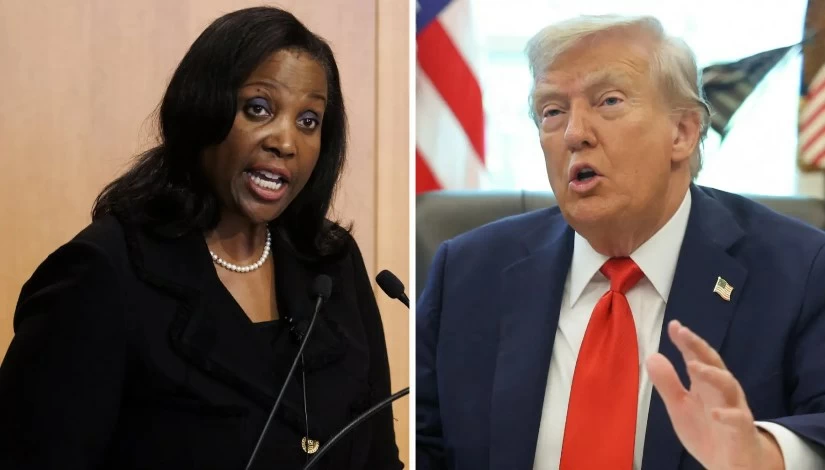
أوقفت المحكمة العليا الأمريكية محاولة الرئيس دونالد ترمب إقالة عضو مجلس محافظي الاحتياطي الفيدرالي (البنك المركزي الأمريكي) ليزا كوك، في حكم اعتُبر انتصاراً لاستقلالية البنك المركزي وحماية قراراته من التدخلات السياسية.
وقضت المحكمة، بأغلبية خمسة قضاة مقابل أربعة، بأن إدارة ترمب لم تمنح كوك حقها الكامل في الإجراءات القانونية الواجبة، بما يتيح لها الطعن في قرار إقالتها، وهو ما دفع المحكمة إلى إعادة القضية إلى المحاكم الأدنى للنظر فيها مجدداً.
وبموجب الحكم، سيكون على الإدارة الأمريكية إثبات صحة الاتهامات التي وجهتها إلى كوك بارتكاب مخالفات تتعلق بالرهن العقاري إذا أرادت الاستمرار في إجراءات إقالتها، فيما ستتاح لكوك الفرصة الكاملة للدفاع عن نفسها والطعن في تلك الاتهامات.
وتنفي كوك جميع المزاعم الموجهة إليها، بينما يرى المدافعون عن استقلال الاحتياطي الفيدرالي أن القضية ليست سوى ذريعة سياسية تهدف إلى منح ترمب نفوذاً أكبر على البنك المركزي والتأثير في سياساته النقدية.
وينص القانون الأمريكي على أنه لا يجوز للرئيس إقالة أعضاء مجلس محافظي الاحتياطي الفيدرالي إلا «لسبب وجيه»، وهو قيد قانوني صُمم لحماية البنك المركزي من الضغوط السياسية وضمان اتخاذ قرارات السياسة النقدية وفق اعتبارات اقتصادية طويلة الأجل، بعيداً عن المصالح السياسية الآنية.
وخلال جلسات المرافعة التي عُقدت في يناير الماضي، قال محامي كوك، بول كليمنت، إن الطريقة التي تعاملت بها الإدارة مع قرار الإقالة تُفرغ الضمانات التي منحها الكونغرس لاستقلال الاحتياطي الفيدرالي من مضمونها.
وكان ترمب قد أعلن، في أغسطس الماضي عبر منصات التواصل الاجتماعي، عزمه إقالة كوك، مستنداً إلى اتهامات بأنها قدمت استمارات رهن عقاري تشير إلى امتلاكها منزلين رئيسيين في الوقت نفسه، وهو ما قد يتيح الاستفادة من أسعار فائدة تفضيلية تمنح عادة للمسكن الرئيسي.
في المقابل، دافع جون ساور، ممثل البيت الأبيض أمام المحكمة، عن موقف الإدارة، معتبراً أن إعلان الرئيس عبر وسائل التواصل الاجتماعي شكّل إخطاراً كافياً لكوك، وأن المخالفات المنسوبة إليها، حتى إذا كانت غير مقصودة، تمثل إهمالاً قد يؤثر في الثقة بالمؤسسة النقدية، مؤكداً أن تقدير وجود مبررات للإقالة يجب أن يبقى من صلاحيات الرئيس.
وعقب صدور الحكم، أكدت كوك في بيان أن القضية «لم تكن يوماً تتعلق بوثائق الرهن العقاري»، ووصفت الاتهامات بأنها «ذريعة ملفقة» بسبب رفضها الخضوع لضغوط سياسية تتعلق بسياسة أسعار الفائدة، مشددة على أن البنك المركزي يجب أن يتخذ قراراته باستقلالية تامة بعيداً عن أي تدخل سياسي.
وفي المقابل، أصدرت المحكمة العليا في اليوم نفسه حكماً منفصلاً منح الرئيس الأمريكي صلاحيات أوسع لإقالة مسؤولي الهيئات التنظيمية المستقلة.
ففي قرار آخر صدر بأغلبية ستة قضاة مقابل ثلاثة، وكتبه رئيس المحكمة جون روبرتس، قضت المحكمة بأن للرئيس الحق في عزل أعضاء الوكالات الفيدرالية المستقلة متى شاء، في خطوة تمثل انتصاراً كبيراً لإدارة ترمب، وتقوض سابقة قضائية تعود إلى عام 1935 عُرفت باسم Humphrey's Executor، كانت تشترط وجود سبب وجيه لإقالة أعضاء تلك الهيئات.
وجاءت القضية على خلفية قرار ترمب إقالة مفوضة لجنة التجارة الفيدرالية ريبيكا سلوتر في مارس 2025 عبر رسالة بريد إلكتروني، بدعوى أن مواقفها «لا تتوافق مع أولويات الإدارة».
وأوضح رئيس المحكمة جون روبرتس في حيثيات الحكم أن أعضاء هذه الهيئات يمارسون سلطات تنفيذية، وبالتالي فإنهم يظلون في نهاية المطاف خاضعين لسلطة رئيس الولايات المتحدة، وهو ما قد يفتح الباب أمام توسيع صلاحيات الرئيس في إعادة تشكيل عدد من الهيئات التنظيمية المستقلة.
The U.S. Supreme Court halted President Donald Trump's attempt to remove Federal Reserve Board member Lisa Cook in a ruling seen as a victory for the independence of the central bank and the protection of its decisions from political interference.
The court ruled, by a majority of five justices to four, that the Trump administration did not grant Cook her full due process rights, which would allow her to challenge her removal, prompting the court to send the case back to lower courts for further consideration.
Under the ruling, the U.S. administration will have to prove the validity of the allegations made against Cook regarding mortgage-related misconduct if it wishes to continue with her removal proceedings, while Cook will have the full opportunity to defend herself and contest those allegations.
Cook denies all the allegations against her, while advocates for the independence of the Federal Reserve view the case as nothing more than a political pretext aimed at giving Trump greater influence over the central bank and affecting its monetary policies.
U.S. law stipulates that the president may only remove members of the Federal Reserve Board for "good cause," a legal constraint designed to protect the central bank from political pressures and ensure that monetary policy decisions are made based on long-term economic considerations, away from immediate political interests.
During the hearings held last January, Cook's attorney, Paul Clement, stated that the way the administration handled the removal decision undermines the guarantees Congress provided for the independence of the Federal Reserve.
Trump had announced last August via social media his intention to remove Cook, citing allegations that she submitted mortgage forms indicating she owned two primary homes at the same time, which could allow her to benefit from preferential interest rates typically granted for a primary residence.
In contrast, John Sauer, the White House representative before the court, defended the administration's position, arguing that the president's announcement via social media constituted sufficient notice to Cook, and that the alleged misconduct attributed to her, even if unintentional, represents negligence that could affect trust in the monetary institution, asserting that the determination of whether there are grounds for removal should remain within the president's authority.
Following the ruling, Cook stated in a statement that the case "was never about mortgage documents," describing the allegations as a "fabricated excuse" due to her refusal to succumb to political pressures regarding interest rate policy, emphasizing that the central bank must make its decisions with complete independence away from any political interference.
Meanwhile, on the same day, the Supreme Court issued a separate ruling granting the U.S. president broader powers to remove officials from independent regulatory agencies.
In another decision passed by a majority of six justices to three, written by Chief Justice John Roberts, the court ruled that the president has the right to dismiss members of independent federal agencies at will, a move that represents a significant victory for the Trump administration and undermines a legal precedent dating back to 1935 known as Humphrey's Executor, which required a good cause for the removal of members of those agencies.
The case arose in the context of Trump's decision to remove Federal Trade Commission Commissioner Rebecca Slaughter in March 2025 via an email, claiming that her positions "do not align with the priorities of the administration."
Chief Justice John Roberts clarified in the ruling's reasoning that members of these agencies exercise executive powers and, therefore, ultimately remain subject to the authority of the President of the United States, which may open the door to expanding the president's powers in reshaping several independent regulatory agencies.