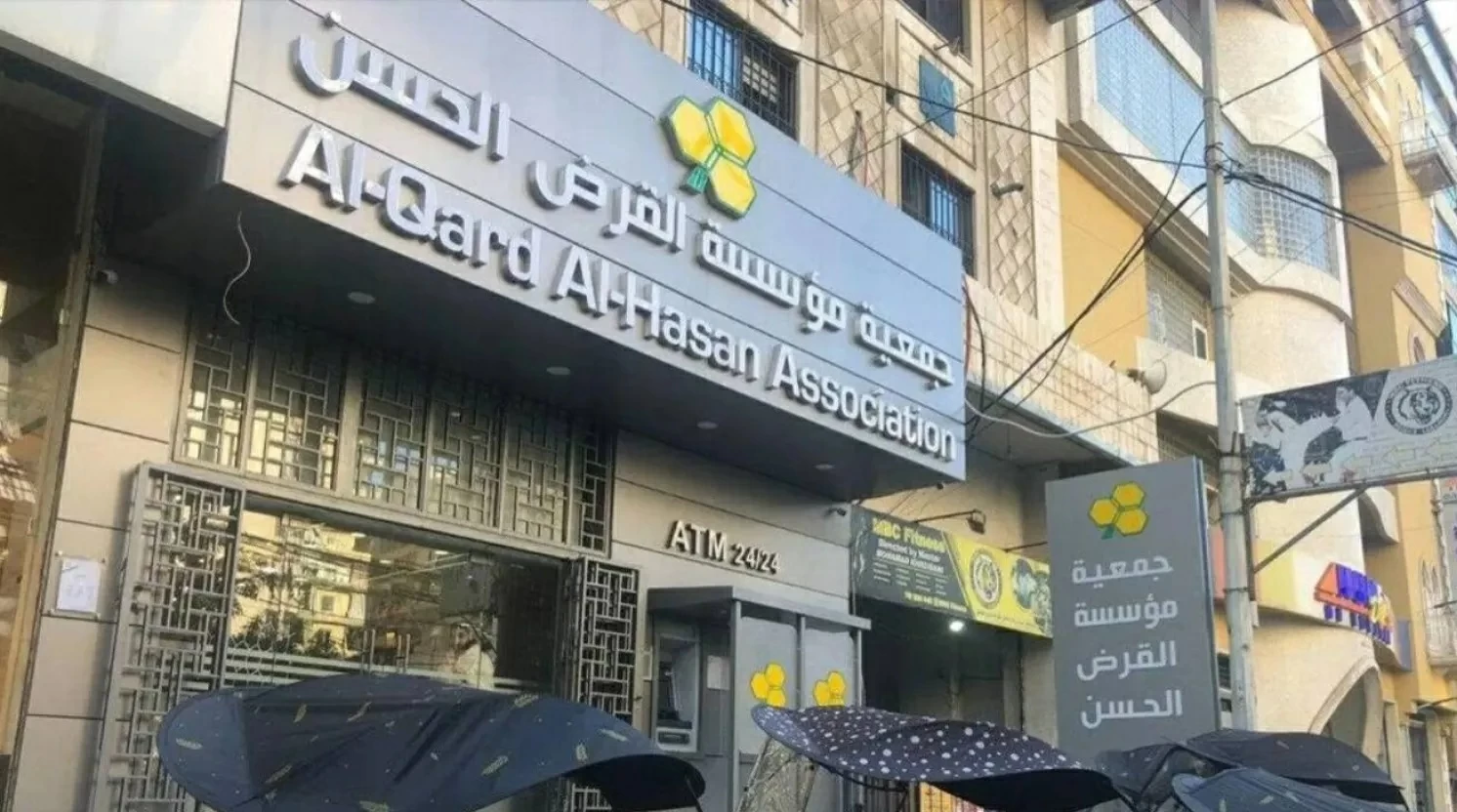
أعلنت وزارة الخزانة الأمريكية اليوم (الثلاثاء) إدراج خمس مؤسسات و16 شخصية من حزب الله اللبناني على قوائم العقوبات، في خطوة تستهدف تجفيف مصادر تمويل الحزب وتعطيل شبكاته المالية التي يعتمد عليها في لبنان وخارجه.
وأكدت الوزارة أن العقوبات الجديدة تشمل مؤسستي «القرض الحسن» و«بيت المال»، إلى جانب عدد من كبار المسؤولين الماليين في الحزب، مشيرة إلى أن جميع الأهداف المدرجة سبق أن فرضت عليها الولايات المتحدة عقوبات منفردة. تمثل هذه الخطوة تحركاً جماعياً يعكس التزام الدول الأعضاء بمواجهة تمويل الإرهاب ومنع استغلال النظام المالي الدولي.
وأوضحت الوزارة أن «القرض الحسن»، الذي يقدم نفسه باعتباره جمعية أهلية، يعمل فعلياً كمؤسسة مصرفية موازية توفر خدمات مالية للحزب عبر حسابات وشركات واجهة، بما يسمح بنقل الأموال والالتفاف على العقوبات الدولية. كما اتهمت المؤسسة باحتكار العملات الأجنبية التي يحتاج إليها الاقتصاد اللبناني، مما يعزز نفوذ حزب الله ويقوض استقرار الدولة.
وأشار البيان إلى أن «بيت المال» يمثل الخزانة غير الرسمية لحزب الله ويتولى إدارة أصوله واستثماراته والعمل وسيطاً بين الحزب والمصارف، ويخضع لإشراف مباشر من الأمين العام للحزب، مما يجعله أحد أهم الأذرع المالية للتنظيم.
وشملت العقوبات رئيس الوحدة المالية المركزية في حزب الله إبراهيم علي ضاهر، والمدير التنفيذي لـ«القرض الحسن» عادل محمد منصور، إضافة إلى مسؤولين آخرين تتهمهم واشنطن بإدارة حسابات مصرفية سرية وشبكات مالية موازية استخدمت لنقل أكثر من 500 مليون دولار عبر النظام المصرفي اللبناني رغم العقوبات المفروضة. كما طالت العقوبات شركات تقدم خدمات محاسبية وتمويلية للحزب، بينها «الخبراء للمحاسبة والتدقيق والدراسات» و«تسهيلات» و«المدققون للمحاسبة والتدقيق»، والتي تقول السلطات الأمريكية إنها وفرت غطاءً مالياً وإدارياً لأنشطة حزب الله.
وأكدت الوزارة أن استهداف ممولي الإرهاب تمثل ثالث حزمة عقوبات مشتركة خلال الإدارة الأمريكية الحالية، والتاسعة منذ تأسيس المركز عام 2017، مشددة على أن الهدف هو تقويض قدرة حزب الله على الوصول إلى التمويل، وحماية النظام المالي الدولي، ودعم استقرار لبنان ومنع استغلال المؤسسات المالية في تمويل الأنشطة الإرهابية.
The U.S. Department of the Treasury announced today (Tuesday) the inclusion of five institutions and 16 individuals from the Lebanese Hezbollah on the sanctions lists, in a move aimed at drying up the party's funding sources and disrupting its financial networks that it relies on in Lebanon and abroad.
The department confirmed that the new sanctions include the institutions "Al-Qard Al-Hassan" and "Bayt Al-Mal," along with several senior financial officials in the party, noting that all the listed targets had previously been subjected to individual sanctions by the United States. This step represents a collective move reflecting the commitment of member countries to confront the financing of terrorism and prevent the exploitation of the international financial system.
The department explained that "Al-Qard Al-Hassan," which presents itself as a charitable organization, actually operates as a parallel banking institution providing financial services to the party through accounts and front companies, allowing for the transfer of funds and circumventing international sanctions. It also accused the institution of monopolizing foreign currencies needed by the Lebanese economy, thereby enhancing Hezbollah's influence and undermining the stability of the state.
The statement indicated that "Bayt Al-Mal" represents the unofficial treasury of Hezbollah and manages its assets and investments, acting as an intermediary between the party and banks, and is directly overseen by the party's Secretary-General, making it one of the most important financial arms of the organization.
The sanctions also targeted Ibrahim Ali Daher, the head of Hezbollah's central financial unit, and Adel Muhammad Mansour, the executive director of "Al-Qard Al-Hassan," in addition to other officials whom Washington accuses of managing secret bank accounts and parallel financial networks used to transfer over $500 million through the Lebanese banking system despite the imposed sanctions. The sanctions also affected companies providing accounting and financing services to the party, including "Al-Khubara for Accounting, Auditing, and Studies," "Tashilat," and "Al-Mudqqiqoon for Accounting and Auditing," which U.S. authorities say provided financial and administrative cover for Hezbollah's activities.
The department confirmed that targeting terrorist financiers represents the third joint sanctions package during the current U.S. administration and the ninth since the establishment of the center in 2017, emphasizing that the goal is to undermine Hezbollah's ability to access funding, protect the international financial system, and support Lebanon's stability while preventing the exploitation of financial institutions in financing terrorist activities.