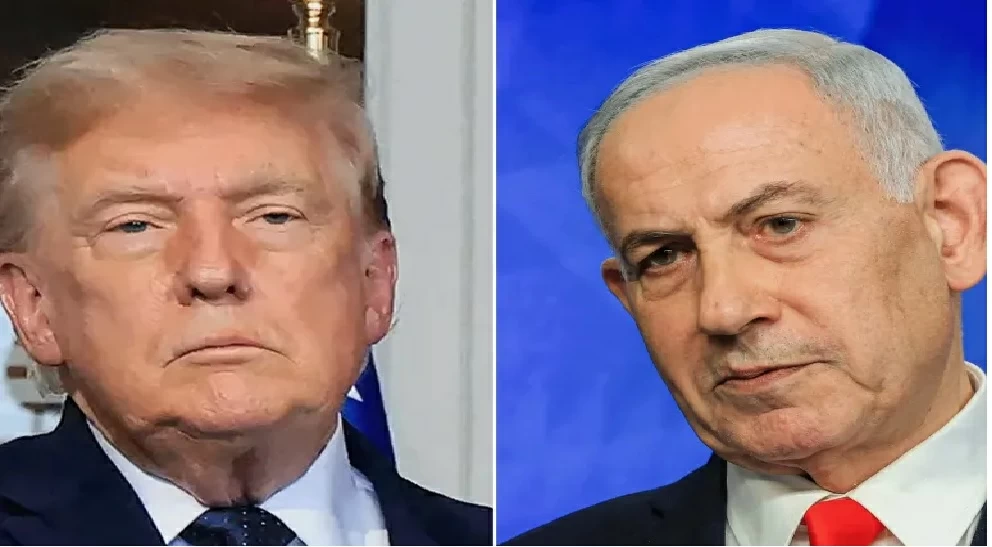
كشفت مصادر أمريكية وإسرائيلية أن الرئيس دونالد ترمب يتجنب إبداء دعم علني لرئيس الوزراء الإسرائيلي بنيامين نتنياهو قبل الانتخابات المقررة في 27 أكتوبر، في وقت تشير فيه استطلاعات الرأي إلى تراجع فرص ائتلافه الحاكم واتساع الفجوة السياسية بين الرجلين حول عدد من الملفات الإقليمية.
وخلال الأسابيع الأخيرة، سُئل ترمب أربع مرات عما إذا كان يؤيد نتنياهو، لكنه تجنب في كل مرة إعلان موقف واضح.
وتأتي هذه الخطوة بينما تشير استطلاعات الرأي إلى تراجع فرص الائتلاف الحاكم، وسط خلافات متزايدة بين واشنطن وتل أبيب بشأن غزة وإيران ولبنان.
تراجع حظوظ نتنياهو
وكشفت مصادر أن الانتخابات كانت حاضرة خلال لقاء ترمب ونتنياهو في البيت الأبيض قبل نحو أسبوعين، إذ سأل الرئيس الأمريكي عن وضعه في استطلاعات الرأي. ووفق مسؤول أمريكي، تدخل أحد مستشاري نتنياهو قائلاً إن رئيس الوزراء «يفوز».
إلا أن استطلاعات الرأي تقدم صورة مختلفة؛ وتتوقع حصول ائتلاف نتنياهو على نحو 49 إلى 53 مقعداً، مقابل 68 مقعداً يمتلكها حالياً، بينما يحتاج أي ائتلاف إلى 61 مقعداً لتشكيل الحكومة. في المقابل، تحصل أحزاب المعارضة على نحو 67 إلى 70 مقعداً، فيما يتقدم رئيس الأركان السابق غادي آيزنكوت على نتنياهو في معدلات التأييد.
ويسعى نتنياهو إلى منع خصومه من الوصول إلى أغلبية برلمانية، حتى إذا تعذر عليه تشكيل حكومة جديدة، بما قد يسمح له بالبقاء رئيساً لحكومة تصريف أعمال إلى حين إجراء انتخابات أخرى.
خلافات متزايدة
وكان مقربون من ترمب يتوقعون دعماً أمريكياً واضحاً لنتنياهو، خصوصاً أن الرئيس الأمريكي سبق أن دعا إلى العفو عنه في قضايا الفساد. إلا أن المسؤولين يقولون إن ترمب، رغم احتفاظه بإعجاب شخصي تجاه نتنياهو، أصبح محبطاً من بعض سياساته وقراراته.
واتسعت شقة الخلاف خلال الأشهر الماضية حول إيران ولبنان وغزة، حتى إن ترمب وصف نتنياهو، وفق أشخاص تحدثوا معه أخيراً، بأنه «أسوأ عدو لنفسه».
وكان أحدث مظاهر التوتر رفض نتنياهو خطة «مجلس السلام» بشأن غزة، وتمسكه بعدم الانسحاب الإسرائيلي قبل نزع سلاح «حماس» بالكامل. لكن واشنطن قللت من أهمية الخلاف، معتبرة أن موقف نتنياهو مرتبط جزئياً بحسابات حملته الانتخابية.
الانتخابات ومستقبل خطة غزة
تسعى إدارة ترمب إلى دفع خطة غزة، بالتوازي مع تحريك المفاوضات بين إسرائيل ولبنان وترتيبات أمنية مع سورية. ومن المنتظر أن يزور جاريد كوشنر إسرائيل الأسبوع القادم لإجراء محادثات حول خطة غزة.
وفي المقابل، يطالب خصوم نتنياهو، وبينهم آيزنكوت ونفتالي بينيت ويائير لابيد، ترمب بالبقاء على الحياد وعدم التدخل في الانتخابات.
ورغم أن ترمب لا يزال قادراً على تغيير موقفه، فإن امتناعه المتكرر عن دعم نتنياهو يعكس، وفق مراقبين، اتساع المسافة السياسية بين الرجلين، ويؤشر إلى أن نتيجة الانتخابات قد تؤثر بصورة مباشرة في أجندة واشنطن للشرق الأوسط.
American and Israeli sources revealed that President Donald Trump is avoiding publicly expressing support for Israeli Prime Minister Benjamin Netanyahu ahead of the elections scheduled for October 27, at a time when opinion polls indicate a decline in the chances of his ruling coalition and a widening political gap between the two men on several regional issues.
In recent weeks, Trump has been asked four times whether he supports Netanyahu, but he has avoided making a clear statement each time.
This move comes as opinion polls suggest a decline in the ruling coalition's chances, amid increasing disagreements between Washington and Tel Aviv regarding Gaza, Iran, and Lebanon.
Declining Chances for Netanyahu
Sources revealed that the elections were a topic during Trump's meeting with Netanyahu at the White House about two weeks ago, as the American president inquired about his standing in the polls. According to an American official, one of Netanyahu's advisors intervened, stating that the Prime Minister is "winning."
However, the polls present a different picture; they predict that Netanyahu's coalition will secure about 49 to 53 seats, compared to the 68 seats it currently holds, while any coalition needs 61 seats to form a government. In contrast, opposition parties are expected to gain about 67 to 70 seats, with former Chief of Staff Gadi Eisenkot leading Netanyahu in approval ratings.
Netanyahu is trying to prevent his opponents from reaching a parliamentary majority, even if he cannot form a new government, which could allow him to remain as the head of a caretaker government until new elections are held.
Increasing Disagreements
Close associates of Trump had expected clear American support for Netanyahu, especially since the American president had previously called for a pardon for him in corruption cases. However, officials say that Trump, despite retaining a personal admiration for Netanyahu, has become frustrated with some of his policies and decisions.
The gap of disagreement has widened in recent months over Iran, Lebanon, and Gaza, to the extent that Trump described Netanyahu, according to people who spoke with him recently, as "his own worst enemy."
The latest manifestation of tension was Netanyahu's rejection of the "Peace Council" plan regarding Gaza, and his insistence on not withdrawing Israeli forces before the complete disarmament of Hamas. However, Washington downplayed the significance of the disagreement, considering that Netanyahu's position is partly related to his electoral campaign calculations.
The Elections and the Future of the Gaza Plan
The Trump administration is seeking to advance the Gaza plan, alongside moving negotiations between Israel and Lebanon and security arrangements with Syria. Jared Kushner is expected to visit Israel next week to hold talks about the Gaza plan.
In contrast, Netanyahu's opponents, including Eisenkot, Naftali Bennett, and Yair Lapid, are urging Trump to remain neutral and not interfere in the elections.
Although Trump is still capable of changing his position, his repeated reluctance to support Netanyahu reflects, according to observers, the widening political distance between the two men, and indicates that the outcome of the elections may directly impact Washington's agenda for the Middle East.