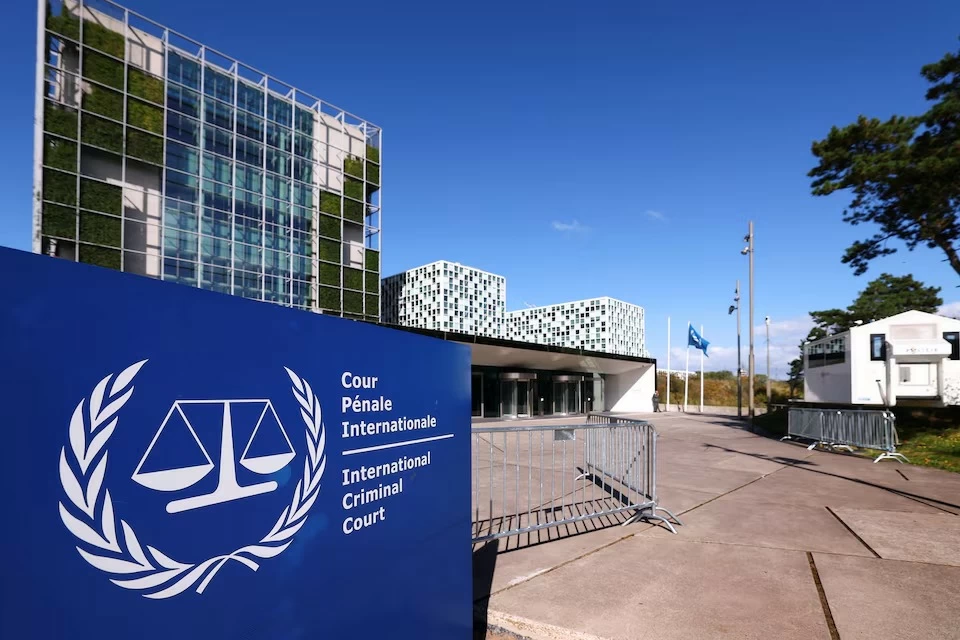
رفع ثلاثة قضاة من المحكمة الجنائية الدولية دعوى قضائية ضد الرئيس الأمريكي دونالد ترمب وإدارته، اعتراضًا على العقوبات التي فرضتها الولايات المتحدة عليهم العام الماضي، معتبرين أن هذه الإجراءات غير قانونية وتشكل محاولة للضغط على استقلال القضاء الدولي.
وبحسب الدعوى المقدمة أمام المحكمة الفيدرالية في مانهاتن، قال القضاة كيمبرلي بروست من كندا، وسولومي بالونجي بوسا من أوغندا، ورين أديلايد صوفي ألابيني-غانسو من بنين، إن العقوبات فُرضت بهدف ممارسة ضغوط خارج الإطار القضائي لمعاقبتهم والتأثير على قراراتهم القضائية.
وتأتي هذه القضية في سياق التوتر المستمر بين الولايات المتحدة والمحكمة الجنائية الدولية، بعدما فرضت إدارة ترمب عقوبات على عدد من قضاة المحكمة في خطوة غير مسبوقة، عقب إصدار المحكمة مذكرة توقيف بحق رئيس الوزراء الإسرائيلي بنيامين نتنياهو، إضافة إلى قرار سابق بفتح تحقيق يتعلق بادعاءات ارتكاب جرائم حرب من جانب قوات أمريكية في أفغانستان.
وتؤدي العقوبات الأمريكية عادة إلى قيود واسعة على التعاملات المالية للأفراد المستهدفين، خاصة أن البنوك المرتبطة بالنظام المالي الأمريكي أو التي تنفذ معاملات بالدولار تكون مطالبة بالامتثال لهذه القيود.
وذكرت الدعوى أن القضاة الثلاثة تعرضوا لقيود كبيرة أثرت على حياتهم اليومية، من بينها عدم القدرة على استخدام بطاقات الائتمان أو الوصول إلى الخدمات المصرفية أو استخدام منصات إلكترونية شائعة أو حجز رحلات السفر، وفي بعض الحالات الحصول على التأمين الصحي.
ووصف القضاة الإجراءات بأنها تمثل «عقوبة مالية قاسية» تهدف إلى دفعهم لتقديم مصالحهم الشخصية على الالتزام بالقانون والوقائع عند الفصل في القضايا.
كما أشاروا إلى أن العقوبات لا تؤثر فقط على أوضاعهم الشخصية، بل قد تعرقل أيضًا تقديم الأدلة والمرافعات في القضايا المنظورة أمامهم أو في أي إجراءات مستقبلية داخل المحكمة.
واستندت الدعوى إلى أن العقوبات تجاوزت الحدود القانونية المنصوص عليها في قانون السلطات الاقتصادية الطارئة الدولية الأمريكي، معتبرة أنها لم تُبنَ على وجود حالة طوارئ وطنية حقيقية أو تهديد استثنائي يبرر اتخاذها.
وتأسست المحكمة الجنائية الدولية عام 2002 وتختص بمحاكمة المتهمين بجرائم الإبادة الجماعية والجرائم ضد الإنسانية وجرائم الحرب، وتتمتع بولاية قضائية داخل الدول الأعضاء أو في القضايا التي يحيلها مجلس الأمن الدولي.
ورغم انضمام 125 دولة إلى المحكمة، فإن دولًا من بينها الولايات المتحدة والصين وروسيا وإسرائيل لا تعترف باختصاصها القضائي.
ولا تعد هذه المواجهة الأولى بين إدارة ترمب والمحكمة؛ ففي عام 2020 فرضت واشنطن عقوبات على المدعية العامة السابقة للمحكمة فاتو بنسودا وأحد كبار مساعديها على خلفية التحقيقات المتعلقة بأفغانستان.
Three judges from the International Criminal Court have filed a lawsuit against U.S. President Donald Trump and his administration, protesting the sanctions imposed by the United States on them last year, considering these actions illegal and an attempt to pressure the independence of international justice.
According to the lawsuit filed in federal court in Manhattan, judges Kimberly Prost from Canada, Solomy Balungi Bossa from Uganda, and Ren Adelaide Sophie Alapini-Gansu from Benin stated that the sanctions were imposed with the aim of exerting pressure outside the judicial framework to punish them and influence their judicial decisions.
This case comes in the context of the ongoing tension between the United States and the International Criminal Court, after the Trump administration imposed sanctions on several judges of the court in an unprecedented move, following the court's issuance of an arrest warrant for Israeli Prime Minister Benjamin Netanyahu, in addition to a previous decision to open an investigation related to allegations of war crimes by U.S. forces in Afghanistan.
U.S. sanctions typically lead to broad restrictions on the financial transactions of the targeted individuals, especially since banks linked to the U.S. financial system or that conduct transactions in dollars are required to comply with these restrictions.
The lawsuit stated that the three judges faced significant restrictions that affected their daily lives, including the inability to use credit cards, access banking services, use popular online platforms, book travel, and in some cases, obtain health insurance.
The judges described the measures as representing a "harsh financial penalty" aimed at pushing them to prioritize their personal interests over adherence to the law and facts when deciding cases.
They also noted that the sanctions not only affect their personal situations but may also hinder the presentation of evidence and arguments in the cases before them or in any future proceedings within the court.
The lawsuit argued that the sanctions exceeded the legal limits set forth in the U.S. International Emergency Economic Powers Act, considering that they were not based on the existence of a genuine national emergency or an exceptional threat that justifies their imposition.
The International Criminal Court was established in 2002 and is responsible for prosecuting individuals accused of genocide, crimes against humanity, and war crimes, and it has jurisdiction within member states or in cases referred by the United Nations Security Council.
Despite 125 countries joining the court, nations including the United States, China, Russia, and Israel do not recognize its jurisdiction.
This is not the first confrontation between the Trump administration and the court; in 2020, Washington imposed sanctions on the court's former chief prosecutor Fatou Bensouda and one of her senior aides in connection with investigations related to Afghanistan.