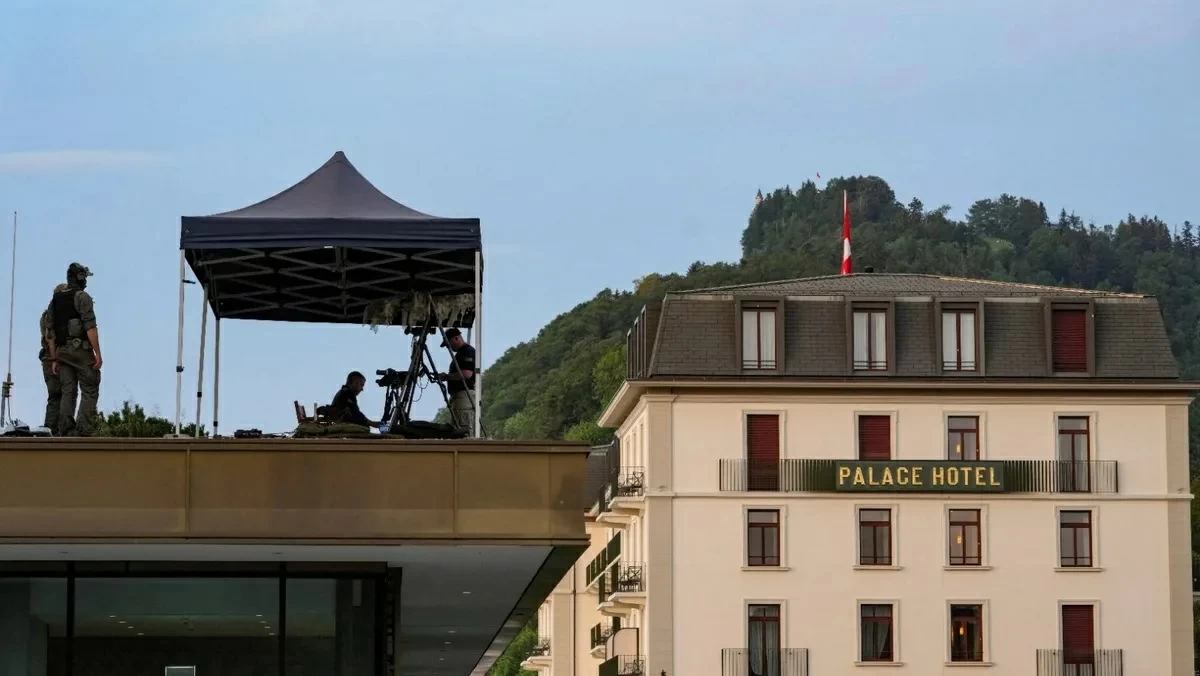
اختتمت جولة المحادثات الأمريكية - الإيرانية في سويسرا وسط أجواء متوترة وتضارب واضح بين روايتين بشأن طريقة إنفاق أموال إيران المجمدة بعد الإفراج عنها، بحسب ما أعلنت الخارجية الإيرانية، اليوم (الثلاثاء).
ورغم الخلافات، تشير التقارير إلى أن الجانبين اتفقا على مواصلة المحادثات الفنية خلال الأيام القادمة، لتنفيذ «خارطة الطريق» التي جرى التوافق عليها للتوصل إلى اتفاق أوسع خلال نحو 60 يومًا.
تشكيل 4 مجموعات عمل
وأفادت وكالة الأنباء الإيرانية الرسمية (إرنا) بأن نائب وزير الخارجية رئيس الفريق التفاوضي الفني كاظم غريب آبادي، أعلن اختتام المحادثات بين الدول الأربع والتوصل إلى اتفاق بشأن إطار المفاوضات المستقبلية.
وأسفرت المحادثات عن تشكيل 4 مجموعات عملتتعلق بإنهاء العقوبات، الشؤون النووية، إعادة الإعمار والتنمية الاقتصادية،، إصدار ترخيص أمريكي لبيع النفط الإيراني، دخول اتفاق الإفراج عن 12 مليار دولار من الأصول المجمدة مرحلة التنفيذ على دفعتين بواقع 6 مليارات لكل منهما.
وأعلن آبادي الموافقة على آلية المرور الآمن للسفن عبر مضيق هرمز وإنشاء وحدة لمنع النزاعات في لبنان، بمشاركة باكستان وقطر".
من جانبه، أكد الرئيس الإيراني مسعود بزشكيان -قبيل توجهه إلى باكستان اليوم (الثلاثاء) أن فعالية المحادثات تعتمد على الالتزام الكامل بالتعهدات المتفق عليها وتنفيذها بدقة.
وقال إن التقدم في مسار المحادثات سيقاس من خلال الالتزام العملي بالمسؤوليات المقبولة، وليس من خلال التصريحات التي تخرج عن النص المتفق عليه ولا تساعد في دفع المفاوضات إلى الأمام.
وكان نائب الرئيس الأمريكي جيه دي فانس، أفاد بأن المحادثات مع المسؤولين الإيرانيين في سويسرا أرست «أساسا جيدا» لاتفاق سلام نهائي. وأشار فانس إلى أن طهران وافقت على السماح بدخول المفتشين النوويين وعلى وضع آليات لإدارة أصولها المجمدة في الخارج وتنفيذ وقف إطلاق النار. لكن المتحدث باسم الخارجية الإيرانية إسماعيل بقائي قال إن طهران لم تناقش بعد القضايا النووية ولم تقدّم التزامات جديدة.
مصير الأموال المفرج عنها
وفي سياق متصل، أعلن الرئيس الأمريكي دونالد ترمب أن الأموال الإيرانية المجمدة التي سيُفرَج عنها ستُستخدم حصرا لشراء المواد الغذائية من المزارعين الأمريكيين، في حين نقلت وكالة تسنيم عن محافظ البنك المركزي الإيراني عبد الناصر همتي تأكيده أنه لا يوجد بموجب المذكرات الموقعة أي التزام بشراء المواد الزراعية من الولايات المتحدة.
وشدد ترمب على أنه من المفترض ألا تستخدم إيران عائدات النفط لإعادة بناء جيشها، بل تستخدم الأموال لشراء الغذاء لشعبها، متوعدا بأنه «إذا أساءت إيران التصرف فسيفعل ما يجب عليه».
وأكد همتي أن طهران ليست ملزمة بشراء منتجات زراعية من أمريكا، وأن الأموال المجمدة المتبقية لن تُستخدم بالضرورة فقط لشراء السلع الأساسية، وسيكون بإمكان إيران شراء سلع أخرى غير خاضعة لعقوبات.
لكنه أكد أنه إذا كانت أسعار المنتجات الزراعية الأمريكية وجودتها أفضل فلا يوجد ما يمنع شراءها، وفق ما نقلته وكالة تسنيم الإيرانية. وأضاف أن استخدام الدفعة الأولى البالغة 6 مليارات دولار يستند إلى الاتفاق الموقع مع واشنطن عام 2023، الذي يشمل شراء السلع الأساسية والأدوية.
وكان رئيس البرلمان الإيراني محمد باقر قاليباف، أعلن أنه جرى الاتفاق في سويسرا على الإفراج عن نحو 12 مليار دولار من الأموال الإيرانية المجمدة..
The American-Iranian talks in Switzerland concluded amidst tense atmospheres and a clear conflict between two narratives regarding the way Iran's frozen funds will be spent after their release, according to the Iranian Foreign Ministry, today (Tuesday).
Despite the disagreements, reports indicate that both sides agreed to continue technical discussions in the coming days to implement the "roadmap" that was agreed upon to reach a broader agreement in about 60 days.
Formation of 4 Working Groups
The official Iranian news agency (IRNA) reported that Deputy Foreign Minister and head of the technical negotiating team, Kazem Gharib Abadi, announced the conclusion of talks between the four countries and the agreement on the framework for future negotiations.
The discussions resulted in the formation of 4 working groups related to ending sanctions, nuclear affairs, reconstruction and economic development, issuing a U.S. license for the sale of Iranian oil, and entering the agreement for the release of $12 billion of frozen assets into the implementation phase in two installments of $6 billion each.
Abadi announced the approval of a safe passage mechanism for ships through the Strait of Hormuz and the establishment of a conflict prevention unit in Lebanon, with the participation of Pakistan and Qatar.
For his part, Iranian President Masoud Bezhakian - before heading to Pakistan today (Tuesday) - confirmed that the effectiveness of the talks depends on full commitment to the agreed-upon obligations and their precise implementation.
He stated that progress in the talks will be measured by the practical commitment to accepted responsibilities, not by statements that deviate from the agreed-upon text and do not help advance the negotiations.
U.S. Vice President J.D. Vance reported that the discussions with Iranian officials in Switzerland laid a "good foundation" for a final peace agreement. Vance noted that Tehran agreed to allow nuclear inspectors to enter and to establish mechanisms for managing its frozen assets abroad and implementing a ceasefire. However, Iranian Foreign Ministry spokesman Ismail Baqai stated that Tehran has not yet discussed nuclear issues and has not made new commitments.
The Fate of the Released Funds
In a related context, U.S. President Donald Trump announced that the frozen Iranian funds that will be released will be used exclusively to purchase food from American farmers, while the Tasnim news agency quoted Iranian Central Bank Governor Abdolnasser Hemmati confirming that there is no obligation under the signed memorandums to purchase agricultural materials from the United States.
Trump emphasized that Iran is not supposed to use oil revenues to rebuild its military, but rather to use the funds to buy food for its people, warning that "if Iran misbehaves, he will do what he has to do."
Hemmati confirmed that Tehran is not obligated to purchase agricultural products from America, and that the remaining frozen funds will not necessarily be used only to buy essential goods, and Iran will be able to purchase other goods not subject to sanctions.
However, he confirmed that if the prices and quality of American agricultural products are better, there is nothing preventing their purchase, according to what was reported by the Tasnim news agency. He added that the use of the first installment of $6 billion is based on the agreement signed with Washington in 2023, which includes the purchase of essential goods and medicines.
Iranian Parliament Speaker Mohammad Baqer Qalibaf announced that an agreement was reached in Switzerland to release about $12 billion of frozen Iranian funds.