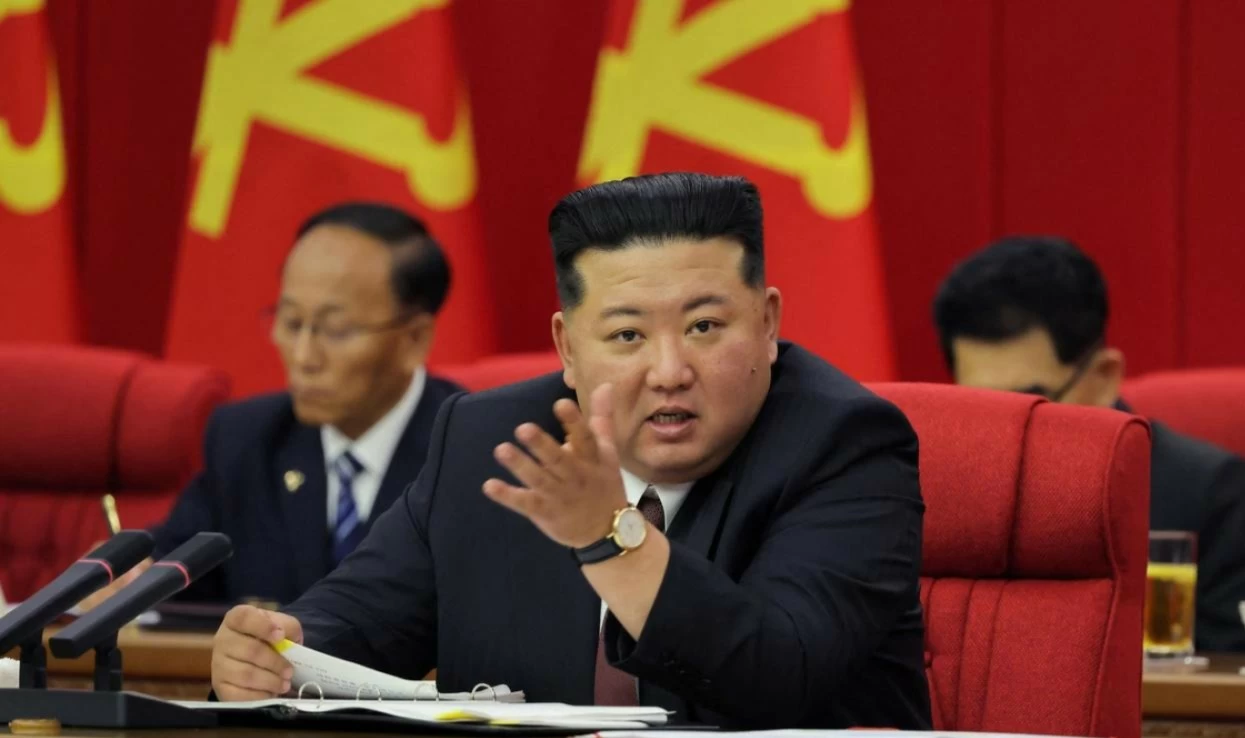
أعلن الزعيم الكوري الشمالي كيم جونغ أون، عزمه تسريع وتيرة تطوير القدرات العسكرية والنووية لبلاده، محذرًا من أن ما وصفه بتعزيزات عسكرية أمريكية وكورية جنوبية متزايدة تدفع شبه الجزيرة الكورية إلى «حافة حرب نووية».
وجاءت تصريحات كيم خلال الاجتماع العام الثاني للجنة المركزية التاسعة لحزب العمال الكوري، الذي انعقد على مدى 3 أيام في العاصمة بيونغ يانغ، حيث ناقش المسؤولون السياسات الاقتصادية والإستراتيجية للبلاد وأولويات المرحلة القادمة.
تعزيز القدرات الدفاعية
وأكد كيم أن حكومته ستواصل تعزيز قدراتها الدفاعية بوتيرة أسرع، مشددًا على أن التطورات الأمنية في المنطقة تفرض على بلاده اتخاذ خطوات إضافية لحماية سيادتها وأمنها القومي.
واتهم الزعيم الكوري الشمالي الولايات المتحدة وكوريا الجنوبية بالسعي إلى تحديث وتوسيع قدراتهما العسكرية في المنطقة، مشيرًا إلى مشاريع تتعلق بتعزيز القدرات البحرية والإستراتيجية لسيؤول، إضافة إلى المناورات العسكرية المشتركة وأنشطة جمع المعلومات الاستخباراتية.
انتقادات للتحالف الأمريكي الكوري الجنوبي
ووجهت بيونغ يانغ انتقادات حادة إلى مجموعة التشاور النووي بين واشنطن وسيؤول، معتبرة أنها تمثل بنية مخصصة للإعداد لحرب نووية محتملة، وتعمل على تطوير سيناريوهات قتالية تشمل استخدام الأسلحة التقليدية والنووية.
وقالت القيادة الكورية الشمالية إن هذه التحركات تبرر مواصلة تطوير قدراتها النووية باعتبارها الضمانة الأساسية لأمن البلاد وردع أي تهديدات خارجية.
السلاح النووي «خيار لا رجعة فيه»
وأكد الاجتماع الحزبي أن توسيع وتعزيز القوة النووية لكوريا الشمالية يمثل «الطريق الوحيد والأكثر صوابًا» للتعامل مع المتغيرات العسكرية والسياسية الدولية، مشددًا على أن مكانة البلاد كدولة نووية أصبحت جزءًا أساسيًا من استراتيجيتها الدفاعية.
وأشار كيم إلى أن برامج تطوير الأسلحة النووية والتقنيات المرتبطة بها ستتواصل بوتيرة متسارعة، مع السعي إلى تنفيذ خطط أكثر طموحًا خلال السنوات القادمة رغم العقوبات والضغوط الدولية.
رسالة إلى واشنطن وسيول
ويرى مراقبون أن تصريحات كيم تمثل رسالة مباشرة إلى الولايات المتحدة وكوريا الجنوبية بأن بيونغ يانغ لا تنوي العودة إلى أي مفاوضات تهدف إلى نزع سلاحها النووي.
وقال خبراء في الشؤون الكورية إن الخطاب الأخير يعكس تمسك القيادة الكورية الشمالية بمبدأ «الدولة النووية الدائمة»، ويؤكد اعتبار الترسانة النووية أداة إستراتيجية ودبلوماسية رئيسية في مواجهة الضغوط الخارجية.
ويأتي ذلك بعد سنوات من تعثر المفاوضات النووية بين بيونغ يانغ وواشنطن منذ فشل القمة التي جمعت كيم والرئيس الأمريكي دونالد ترمب في العاصمة الفيتنامية هانوي عام 2019.
انتقادات لليابان
وفي سياق متصل، انتقد كيم السياسات الدفاعية اليابانية، متهمًا طوكيو باستغلال التوترات الإقليمية للتحول تدريجيًا إلى «دولة عسكرية» عبر إزالة القيود المفروضة على قدراتها الدفاعية.
من جانبه، قال الرئيس الكوري الجنوبي لي جاي ميونغ، إن التعامل مع الملف النووي الكوري الشمالي يحتاج إلى نهج مختلف، مشيرًا إلى أن العقوبات المفروضة على بيونغ يانغ لم تحقق النتائج المرجوة.
وأضاف أن الرئيس الأمريكي دونالد ترمب أبدى موافقته على ضرورة إعادة النظر في أساليب معالجة الأزمة النووية الكورية الشمالية، في ظل تعقيدات المشهد الأمني الراهن.
وتأتي التصريحات الأخيرة في وقت تشهد فيه المنطقة تصاعدًا في سباق التسلح والتوترات العسكرية، ما يثير مخاوف دولية من تدهور الوضع الأمني في شمال شرق آسيا، خاصة مع استمرار كوريا الشمالية في تطوير برامجها الصاروخية والنووية ورفضها التخلي عن ترسانتها الإستراتيجية.
North Korean leader Kim Jong Un announced his intention to accelerate the development of his country's military and nuclear capabilities, warning that what he described as increasing U.S. and South Korean military reinforcements is pushing the Korean Peninsula to the "brink of nuclear war."
Kim's statements came during the second general meeting of the ninth Central Committee of the Workers' Party of Korea, which was held over three days in the capital Pyongyang, where officials discussed the country's economic and strategic policies and priorities for the upcoming phase.
Enhancing Defensive Capabilities
Kim confirmed that his government will continue to enhance its defensive capabilities at a faster pace, emphasizing that security developments in the region compel his country to take additional steps to protect its sovereignty and national security.
The North Korean leader accused the United States and South Korea of seeking to modernize and expand their military capabilities in the region, pointing to projects related to enhancing Seoul's naval and strategic capabilities, in addition to joint military exercises and intelligence-gathering activities.
Criticism of the U.S.-South Korea Alliance
Pyongyang sharply criticized the nuclear consultation group between Washington and Seoul, considering it a structure dedicated to preparing for a potential nuclear war, and working on developing combat scenarios that include the use of conventional and nuclear weapons.
The North Korean leadership stated that these moves justify the continued development of its nuclear capabilities as the fundamental guarantee of the country's security and deterrence against any external threats.
Nuclear Weapons as an "Irreversible Option"
The party meeting confirmed that expanding and strengthening North Korea's nuclear power represents "the only and most correct path" to deal with international military and political changes, stressing that the country's status as a nuclear state has become an essential part of its defense strategy.
Kim indicated that programs for developing nuclear weapons and related technologies will continue at an accelerated pace, with efforts to implement more ambitious plans in the coming years despite international sanctions and pressures.
Message to Washington and Seoul
Observers believe that Kim's statements represent a direct message to the United States and South Korea that Pyongyang has no intention of returning to any negotiations aimed at denuclearization.
Korean affairs experts noted that the recent rhetoric reflects the North Korean leadership's commitment to the principle of a "permanent nuclear state," and confirms the view of the nuclear arsenal as a key strategic and diplomatic tool in facing external pressures.
This comes after years of stalled nuclear negotiations between Pyongyang and Washington since the failure of the summit that brought Kim and U.S. President Donald Trump together in the Vietnamese capital Hanoi in 2019.
Criticism of Japan
In a related context, Kim criticized Japan's defense policies, accusing Tokyo of exploiting regional tensions to gradually transform into a "military state" by removing restrictions on its defense capabilities.
For his part, South Korean President Yoon Suk-yeol stated that dealing with the North Korean nuclear issue requires a different approach, noting that the sanctions imposed on Pyongyang have not achieved the desired results.
He added that U.S. President Donald Trump expressed agreement on the need to reconsider methods of addressing the North Korean nuclear crisis, given the complexities of the current security landscape.
The recent statements come at a time when the region is witnessing an escalation in the arms race and military tensions, raising international concerns about the deterioration of the security situation in Northeast Asia, especially with North Korea continuing to develop its missile and nuclear programs and refusing to abandon its strategic arsenal.