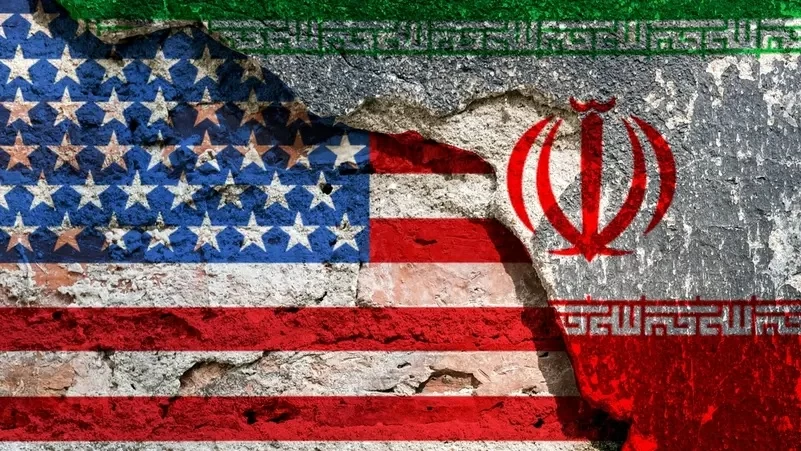
وصف مسؤولون أمريكيون مذكرة التفاهم الموقعة بين واشنطن وطهران بأنها وثيقة «غامضة للغاية» وذات طابع سياسي أكثر من كونها اتفاقاً تفصيلياً، مؤكدين أن الهدف منها تهيئة الأجواء للمفاوضات الفنية المعقدة القادمة ومنح القيادة الإيرانية مساحة لتسويق الاتفاق داخلياً.
لا تتضمن بعض الالتزامات الجوهرية
ووفقاً لمسؤولين تحدثوا لشبكة CNN، فإن النص المكتوب لا يعكس التفاهمات التي توصل إليها الطرفان عبر قنوات خلفية، والتي يعتبرونها الأساس الحقيقي للاتفاق. وأشاروا إلى أن المفاوضين الأمريكيين يعملون على تسريع نشر نص الاتفاق، مؤكدين أن مذكرة التفاهم، التي قال نائب الرئيس جي دي فانس إن طولها لا يتجاوز صفحة ونصف الصفحة، لا تتضمن بعض الالتزامات الجوهرية التي قدمتها إيران عبر قنوات غير معلنة.
وقال أحد المسؤولين إن المبالغة في تفسير لغة المذكرة غير دقيق، واصفاً إياها بأنها «وثيقة سياسية» أكثر منها اتفاقاً تنفيذياً. وأوضح أن الأهم هو التفاهمات المتبادلة التي تشكل إطاراً عاماً يشمل تخفيف العقوبات، والتوصل إلى تفاهم بشأن البرنامج النووي، والإفراج عن أموال إيرانية مجمدة، على أن يجري تنفيذ هذه البنود تدريجياً وفقاً لتقدم المفاوضات.
تعمدت استخدام صياغات تسمح بعرض الاتفاق
وأكد مسؤول أمريكي أن إدارة الرئيس دونالد ترمب تعمدت استخدام صياغات تسمح لإيران بعرض الاتفاق بما يتناسب مع حاجاتها السياسية الداخلية. ومع ذلك، قد يواجه الاتفاق انتقادات داخل الولايات المتحدة، حيث يطالب عدد من الجمهوريين المحافظين بالكشف عن تفاصيله وسط مخاوف من تقديم تنازلات كبيرة لطهران.
وفي ما يتعلق بالملف النووي، أفاد شخص مطلع على نص الاتفاق بأن الوثيقة لا تحدد بشكل واضح كيفية التعامل مع مخزون إيران من اليورانيوم عالي التخصيب، رغم تأكيد ترمب ومسؤولين أمريكيين أن واشنطن ستشرف على التخلص منه. ويقتصر النص على تجديد التزام إيران بعدم إنتاج أسلحة نووية، وهو تعهد سبق أن ورد في الاتفاق النووي المبرم عام 2015.
لكن مسؤولين أمريكيين أكدوا أن طهران أبلغت واشنطن عبر قنوات خلفية استعدادها لتقديم التنازلات المطلوبة، بما في ذلك السماح بمشاركة أمريكية في عملية التخلص من المواد المخصبة داخل إيران بالتنسيق مع الوكالة الدولية للطاقة الذرية، رغم عدم ورود ذلك صراحة في نص الاتفاق.
ماذا عن الأصول الإيرانية المجمدة؟
في المقابل، يتضمن الاتفاق تفاصيل أوضح بشأن المكاسب الاقتصادية المحتملة لإيران، ومنها إمكانية الاستفادة مستقبلاً من صندوق تنموي بقيمة 300 مليار دولار، شدد ترمب وفانس على أنه لن يُمول من أموال أمريكية.
أما بشأن الأصول الإيرانية المجمدة، فينص الاتفاق على الإفراج عنها تدريجياً مع إحراز تقدم في جولات التفاوض القادمة، دون تحديد جدول زمني واضح. كما يسمح لإيران باستئناف بيع النفط والمنتجات البتروكيماوية فور توقيع المذكرة، مع منح إعفاءات من العقوبات تتيح لها الاستفادة من عائدات هذه الصادرات.
وأكد مسؤول أمريكي أن الاتفاق «قائم على الأداء»، ما يعني أن طهران لن تحصل على أي مزايا ما لم تلتزم بتعهداتها، بما في ذلك عدم السعي لامتلاك سلاح نووي، والتخلص من المواد المخصبة، وعدم تهديد حرية الملاحة في مضيق هرمز.
جولة محادثات لمدة 60 يوما
ورغم عدم نشر النص رسمياً حتى الآن، جرى تداوله بين مسؤولين أوروبيين وممثلي دول مجموعة السبع خلال القمة المنعقدة في مدينة إيفيان الفرنسية، حيث طالب عدد من القادة بمزيد من التوضيحات حول بعض البنود. كما أثار التكتم على الاتفاق انتقادات من بعض حلفاء ترمب.
وأوضح فانس أن الولايات المتحدة ترغب في نشر النص، لكن اعتبارات دبلوماسية ورغبة إيران والدول الوسيطة، وفي مقدمتها قطر وباكستان، فرضت تأجيل الإعلان عنه. كما أشار مسؤولون إلى أن طهران طلبت تأخير النشر لإتمام ترتيباتها الداخلية.
وتتمثل إحدى العقبات في موقف المرشد مجتبى خامنئي، الذي منح موافقة ضمنية على الاتفاق، بينما تتواصل النقاشات الداخلية بشأن إصدار بيان قبل مراسم التوقيع الرسمية المرتقبة في سويسرا.
ومن المقرر أن تبدأ جولة جديدة من المحادثات المباشرة بين الوفدين الأمريكي والإيراني ضمن مهلة تمتد 60 يوماً لاختبار مدى التزام طهران ببنود الاتفاق وبناء الثقة اللازمة للتوصل إلى تسوية نهائية طويلة الأمد.
American officials described the memorandum of understanding signed between Washington and Tehran as a document that is "very ambiguous" and more political in nature than a detailed agreement, emphasizing that its purpose is to prepare the ground for the upcoming complex technical negotiations and to give the Iranian leadership space to market the agreement domestically.
It does not include some essential commitments
According to officials who spoke to CNN, the written text does not reflect the understandings reached by both parties through back channels, which they consider to be the true foundation of the agreement. They noted that American negotiators are working to expedite the release of the text of the agreement, asserting that the memorandum of understanding, which Vice President J.D. Vance stated is no longer than a page and a half, does not include some essential commitments made by Iran through undisclosed channels.
One official stated that exaggerating the interpretation of the language of the memorandum is inaccurate, describing it as a "political document" rather than an executive agreement. He explained that the most important aspect is the mutual understandings that form a general framework including sanctions relief, reaching an understanding regarding the nuclear program, and the release of frozen Iranian funds, with these items to be implemented gradually according to the progress of negotiations.
Deliberately used formulations that allow for presenting the agreement
An American official confirmed that the administration of President Donald Trump deliberately used formulations that allow Iran to present the agreement in a way that suits its internal political needs. However, the agreement may face criticism within the United States, as some conservative Republicans are calling for details to be disclosed amid fears of making significant concessions to Tehran.
Regarding the nuclear file, a person familiar with the text of the agreement reported that the document does not clearly specify how to deal with Iran's stockpile of highly enriched uranium, despite Trump and American officials affirming that Washington will oversee its disposal. The text is limited to renewing Iran's commitment not to produce nuclear weapons, a pledge that was already included in the nuclear agreement reached in 2015.
However, American officials confirmed that Tehran has informed Washington through back channels of its readiness to make the required concessions, including allowing American participation in the disposal of enriched materials within Iran in coordination with the International Atomic Energy Agency, even though this is not explicitly stated in the text of the agreement.
What about the frozen Iranian assets?
In contrast, the agreement includes clearer details regarding the potential economic gains for Iran, including the possibility of benefiting in the future from a $300 billion developmental fund, which Trump and Vance emphasized would not be funded by American money.
As for the frozen Iranian assets, the agreement stipulates their gradual release as progress is made in the upcoming rounds of negotiations, without specifying a clear timeline. It also allows Iran to resume selling oil and petrochemical products immediately upon signing the memorandum, granting exemptions from sanctions that enable it to benefit from the revenues of these exports.
An American official confirmed that the agreement is "performance-based," meaning that Tehran will not receive any benefits unless it adheres to its commitments, including not seeking to acquire nuclear weapons, disposing of enriched materials, and not threatening freedom of navigation in the Strait of Hormuz.
A 60-day round of talks
Although the text has not yet been officially published, it has been circulated among European officials and representatives of the G7 countries during the summit held in Évian, France, where several leaders called for more clarifications on some provisions. The secrecy surrounding the agreement has also drawn criticism from some of Trump's allies.
Vance clarified that the United States wishes to publish the text, but diplomatic considerations and the desires of Iran and the intermediary countries, primarily Qatar and Pakistan, have necessitated delaying its announcement. Officials also indicated that Tehran requested a delay in publication to finalize its internal arrangements.
One of the obstacles is the position of Supreme Leader Mojtaba Khamenei, who has given implicit approval of the agreement, while internal discussions continue regarding issuing a statement before the anticipated official signing ceremony in Switzerland.
A new round of direct talks between the American and Iranian delegations is set to begin within a 60-day timeframe to test Tehran's commitment to the terms of the agreement and to build the necessary trust for reaching a long-term final settlement.