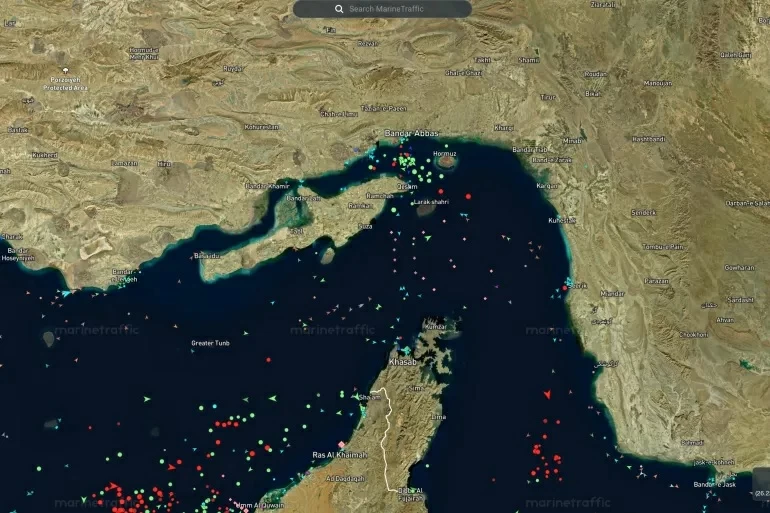
كشفت بيانات ملاحية، اليوم (الإثنين)، عبور أول ناقلة لمضيق هرمز بعد الإعلان عن الاتفاق الأمريكي - الإيراني، وهي ناقلة الغاز المسال «ديشا» (DISHA) قادمة من ميناء رأس لفان القطري.
ناقلة ترفع علم مالطا
وبحسب بيان لحركة ناقلات الغاز المسال منذ صباح اليوم، لم تظهر حركة عبور مماثلة لناقلات أخرى عبر المضيق، باستثناء «ديشا»، التي ظهرت لاحقا في خليج عُمان بعد إتمام عبورها.
وأفادت بيانات منصة «مارين ترافيك» بأن الناقلة التي ترفع علم مالطا، كانت في رحلة من نطاق رأس لفان باتجاه خارج الخليج، بينما يبين مسارها انتقالها شرقا قبل عبور الممر الملاحي جنوب جزيرتي قشم وهرمز، ثم الخروج إلى خليج عُمان.
وتحمل ناقلة الغاز المسال «ديشا» رقم التعريف البحري الدولي 9250713، وترفع علم مالطا، وهي ناقلة غاز مسال دخلت الخدمة عام 2004.
أسطول مخصص لنقل الغاز الطبيعي
وتظهر بيانات الملكية والإدارة أن الناقلة ترتبط تجاريا بشركة «بترونت إل إن جي» الهندية (Petronet LNG) ضمن أسطول مخصص لنقل الغاز الطبيعي المسال إلى الهند، في حين تشير بيانات الإدارة والملكية إلى ارتباطها بشركات شحن آسيوية، بينها ميتسوي أو إس كيه لاينز اليابانية ضمن هيكل الملكية أو التشغيل.
وتكتسب «ديشا» أهمية إضافية لأنها من الناقلات العاملة على خط إمداد الغاز بين قطر والهند، وهو مسار طاقة ثابت يعتمد على شحنات الغاز الطبيعي المسال من رأس لفان إلى موانئ هندية، أبرزها محطة داهيج.
وتحظى هذه الرحلة بأهمية خاصة لأن عبور ناقلات الغاز من الخليج ظل خلال الأسابيع الماضية محدودا ومتقطعا، في ظل استمرار الحذر الأمني في مضيق هرمز.
وأظهرت تقارير تتبع تجارية أن عددا محدودا فقط من الناقلات نجح في الخروج من المضيق منذ بداية الأزمة، بينما واصلت شركات الشحن التعامل بحذر مع مخاطر العبور في هذا الممر البحري الحيوي.
ترقب سياسي وملاحي
ويأتي هذا العبور في وقت يتزامن فيه الحراك الملاحي مع مؤشرات سياسية تتعلق بمصير المضيق، إذ أعلن الرئيس الأمريكي دونالد ترمب التوصل إلى اتفاق مع إيران، قال إنه يتضمن إعادة فتح مضيق هرمز ورفع الحصار البحري الأمريكي.
وكتب ترمب على منصته «تروث سوشيال» أن «الاتفاق مع إيران اكتمل»، معلنا فتح مضيق هرمز دون رسوم، ورفع الحصار البحري، داعيا «سفن العالم» إلى تشغيل محركاتها و«تدفق النفط»، لكنه عاد وربط فتح المضيق بتوقيع الاتفاق المرتقب الجمعة، قائلا إن فتحه سيكون لأغراض إزالة الألغام.
وفيما يعكس هذا التطور خفضا للتوتر، فإن حركة الملاحة في هرمز لا تزال وفق الرصد الملاحي، في مرحلة ترقب، بانتظار اتضاح شروط العبور والإعلان الرسمي عن إعادة فتحه بصورة كاملة.
Navigational data revealed today (Monday) the crossing of the first tanker through the Strait of Hormuz following the announcement of the U.S.-Iran agreement, namely the liquefied natural gas tanker "DISHA" coming from Qatar's Ras Laffan port.
Tanker Flying the Maltese Flag
According to a statement regarding the movement of liquefied natural gas tankers since this morning, no similar crossings by other tankers through the strait were observed, except for "DISHA," which later appeared in the Gulf of Oman after completing its passage.
Data from the "Marine Traffic" platform indicated that the tanker, flying the Maltese flag, was on a journey from the Ras Laffan area heading out of the Gulf, while its route shows it moving east before crossing the shipping lane south of the islands of Qeshm and Hormuz, then exiting to the Gulf of Oman.
The liquefied natural gas tanker "DISHA" has the International Maritime Organization number 9250713, flies the Maltese flag, and is a liquefied gas tanker that entered service in 2004.
Fleet Dedicated to Transporting Natural Gas
Ownership and management data show that the tanker is commercially linked to the Indian company "Petronet LNG" within a fleet dedicated to transporting liquefied natural gas to India, while management and ownership data indicate its connections to Asian shipping companies, including Mitsui OSK Lines from Japan as part of the ownership or operational structure.
"DISHA" gains additional significance as it is one of the tankers operating on the gas supply line between Qatar and India, a stable energy route relying on liquefied natural gas shipments from Ras Laffan to Indian ports, most notably the Dahej terminal.
This journey holds particular importance as the crossing of gas tankers from the Gulf has remained limited and intermittent over the past weeks, amid ongoing security caution in the Strait of Hormuz.
Commercial tracking reports have shown that only a limited number of tankers have successfully exited the strait since the beginning of the crisis, while shipping companies have continued to handle the crossing risks in this vital maritime corridor with caution.
Political and Navigational Anticipation
This crossing comes at a time when maritime activity coincides with political indicators regarding the fate of the strait, as U.S. President Donald Trump announced reaching an agreement with Iran, stating that it includes reopening the Strait of Hormuz and lifting the U.S. maritime blockade.
Trump wrote on his "Truth Social" platform that "the agreement with Iran is complete," announcing the opening of the Strait of Hormuz without fees and lifting the maritime blockade, calling on "the ships of the world" to start their engines and "let the oil flow," but he later linked the opening of the strait to the signing of the anticipated agreement on Friday, stating that its opening would be for the purposes of mine removal.
While this development reflects a reduction in tension, maritime traffic in Hormuz remains, according to navigational monitoring, in a state of anticipation, awaiting clarification of crossing conditions and the official announcement of its complete reopening.