خلف الستار المشدود لمفاوضات واشنطن وطهران، تبرز رغبة الطرفين في الجلوس على الطاولة لتعكس حقيقة إستراتيجية واحدة: كلاهما يدرك الكلفة الباهظة لبقاء الأزمة معلقة. فإيران تواجه استنزافاً حقيقياً لشبكتها الاقتصادية، في حين تدرك إدارة ترمب أن الخيارات العسكرية المفتوحة تحمل أثماناً سياسية واقتصادية باهظة داخلياً ودولياً.
هذا التوازن في الحاجة إلى مخرج يطرح التساؤل الأكثر إلحاحاً في أروقة التخطيط السياسي: هل ينجح ترمب بتوقيع اتفاق يختلف في جوهره عن صيغة اتفاق عام 2015؟
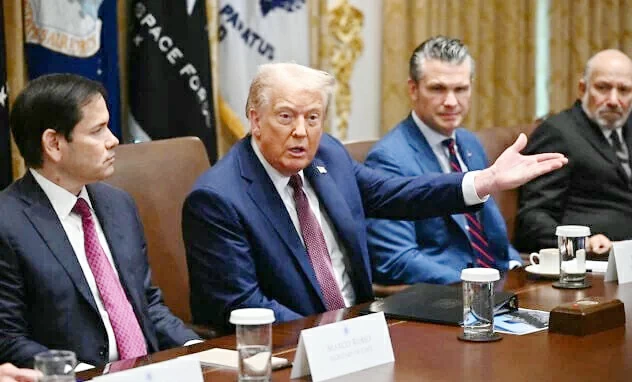
انطلاقاً من هذه الحسابات، يختصر تصريح ترمب خلال ترؤسه لجلسة حكومية في البيت الأبيض (الأربعاء)، بأن «إيران تريد عقد اتفاق، وسنبرم معها اتفاقاً أو سننهي المهمة»، رغبته في صياغة إرث سياسي يتجاوز تماماً تجارب الإدارات السابقة، وتحديداً اتفاق عام 2015. ومع ذلك، فإن قواعد الواقعية السياسية الكامنة في عبارته «وسنبرم معها اتفاقاً» تؤكد أن الدبلوماسية وجني ثمار سياسة الضغط الأقصى لا تزال خياراً مفضلاً لديه، فهو لا يبحث عن مواجهة عسكرية مفتوحة بلا أفق، بل يستخدم لغة التهديد لفرض صفقة تضمن له مكاسب ملموسة.
محددات ترمب العلنية
الشروط الأمريكية خرجت من دائرة القراءات والتكهنات، إذ جاءت تصريحات ترمب الحازمة لتضع النقاط على الحروف، معلنةً عن توجه صارم يسعى من خلاله لصياغة تفاهمات تتجاوز «أخطاء الماضي»، وترتكز على ثلاثة محددات رئيسية؛
أولاً: شروط نووية ومالية متصلبة، يرفض ترمب كلياً الصيغ الجزئية السابقة، وهو ما جسّده بتأكيده أننا «لا نتحدث عن تخفيف العقوبات»، و«لن نعيد أي أموال للإيرانيين حتى يحسنوا سلوكهم»، مدفوعاً بـ«عدم ارتياحه لفكرة حصول روسيا أو الصين على مخزون إيران من اليورانيوم عالي التخصيب»، انطلاقاً من قناعة ثابتة لديه بأنه «لا يمكن السماح لإيران بامتلاك سلاح نووي فهي ستستخدمه فوراً ودون تردد».
ثانياً: الإشراف على الممرات المائية، حيث رفع ترمب سقف التحدي بملف الملاحة دولياً، معلناً بصراحة: «سيتم فتح مضيق هرمز للجميع وسنشرف عليه لكن دون سيطرة أي جهة»، متوعداً بـ«إطلاق القوارب من المضيق في الوقت المناسب» لكسر أي هيمنة إيرانية هناك، وهو مطلب حيوي لحلفاء واشنطن.
ثالثاً: تفكيك النفوذ الإقليمي؛ عبر التلويح الدائم بورقة الردع العسكري وتحجيم الفصائل الموالية لطهران، لضمان ألا يتحول أي تقارب أمريكي إلى مظلة حماية لتلك الأذرع، وإلا فإن البديل جاهز خلف الباب: «إن لم تقدم إيران لنا ما نريده فسيعمل وزير الحرب على إنهاء المهمة».
فإذا جاء النص النهائي للتفاهمات خالياً من هذه المحددات الثلاثة، أو جرى تمييعها أثناء النقاش، فإن المقارنة التاريخية ستعيد إنتاج تفاهمات عام 2015، مما يجعل الفارق بين الإدارتين في أسلوب الخطاب وليس في النتائج.
إيران وحدود القبول والخطوط الحمراء
في المقابل، لا يمكن قراءة المشهد من زاوية الرغبة الأمريكية وحدها، فطهران لا تتحرك في هذه المفاوضات من موقع المستسلم، بل تدير اللعبة بنَفَس حذر. وهو ما أكده نائب أمين المجلس الأعلى للأمن القومي، أنه «لا تراجع عن الخطوط الحمراء مثل تخصيب اليورانيوم وإدارة مضيق هرمز»؛ مما يعني أن أي خطوة لإعادة ترتيب حركة الملاحة في مضيق هرمز ستكون بالنسبة لطهران مشروطة بالوصول الفوري والكامل للأرصدة المجمدة دون تسويف، مع إبقاء المفاوضات النووية في مسار منفصل يمتد لـ60 يوماً دون التزامات مسبقة؛ وذلك بهدف تفكيك إستراتيجية «الضغط الأقصى» عبر تجزئة الملفات، ومقايضة التهدئة الميدانية بمتنفس اقتصادي.
تكتيك فك الاشتباك
في ظل الفجوة بين التوقعات المرتفعة لكلا الطرفين، تبرز ملامح تكتيك فك الاشتباك المرحلي كآلية عملية لتبريد الصراع دون التزام نهائي.
وتشير التحليلات الجارية للمباحثات إلى احتمالية السير في مقاربة قائمة على تبادل الخطوات المحدودة: تخفيف تدريجي مبرمج للقيود على الموانئ الإيرانية مقابل تراجع طهران عن تهديد خطوط الملاحة، مع تداول صيغ للإفراج المشروط عن نحو 24 مليار دولار من الأرصدة المجمدة في الخارج.
وهذا التكتيك يحمل أبعاداً مزدوجة: فهو يمنح إدارة ترمب فرصة لإثبات نجاعة الضغط الاقتصادي في انتزاع تنازلات ملموسة ووضعها في إطار رسمي، لكنه في الوقت ذاته قد يخفف من عبء الحصار عن كاهل طهران، مما يمنحها نفساً أطول في المفاوضات المعقدة حول الملف النووي الأساسي.
الملف اليوم يقف أمام خيارين: إما أن تنجح لغة التهديد في انتزاع صفقة حقيقية ومختلفة، أو أن حسابات الواقع ستفرض في النهاية تسوية عادية، تثبت أن تغيير الماضي ليس بالأمر السهل.
Behind the drawn curtain of negotiations between Washington and Tehran, the desire of both parties to sit at the table emerges, reflecting a single strategic reality: both are aware of the heavy cost of keeping the crisis unresolved. Iran is facing a real depletion of its economic network, while the Trump administration understands that open military options carry significant political and economic costs both domestically and internationally.
This balance in the need for an exit raises the most pressing question in the corridors of political planning: Will Trump succeed in signing an agreement that differs fundamentally from the 2015 agreement?
Based on these calculations, Trump's statement during his chairing of a government session at the White House (on Wednesday), that "Iran wants to make a deal, and we will make a deal with them or we will end the mission," encapsulates his desire to craft a political legacy that completely transcends the experiences of previous administrations, specifically the 2015 agreement. However, the rules of political realism inherent in his phrase "and we will make a deal with them" confirm that diplomacy and reaping the benefits of maximum pressure policy remain his preferred option; he is not seeking an open military confrontation without an end in sight, but rather uses the language of threat to impose a deal that guarantees him tangible gains.
Trump's Public Parameters
The American conditions have moved out of the realm of interpretations and speculations, as Trump's firm statements have clarified the points, announcing a strict approach through which he seeks to formulate understandings that go beyond the "mistakes of the past," based on three main parameters;
First: Rigid nuclear and financial conditions, as Trump completely rejects previous partial formulas, which he embodied by asserting that "we are not talking about easing sanctions," and "we will not return any money to the Iranians until they improve their behavior," driven by "his discomfort with the idea of Russia or China obtaining Iran's stock of highly enriched uranium," based on a firm conviction that "Iran cannot be allowed to possess nuclear weapons as they would use them immediately and without hesitation."
Second: Oversight of maritime passages, where Trump raised the stakes in the international navigation file, openly declaring: "The Strait of Hormuz will be open to everyone, and we will oversee it but without control from any party," threatening to "launch boats from the strait at the appropriate time" to break any Iranian dominance there, which is a vital demand for Washington's allies.
Third: Dismantling regional influence; through the constant threat of military deterrence and limiting Tehran-aligned factions, to ensure that any American rapprochement does not turn into a protective umbrella for those arms, otherwise the alternative is ready at the door: "If Iran does not give us what we want, the Secretary of Defense will work to end the mission."
If the final text of the understandings comes devoid of these three parameters, or if they are diluted during discussions, then the historical comparison will reproduce the understandings of 2015, making the difference between the two administrations one of rhetorical style rather than results.
Iran and the Limits of Acceptance and Red Lines
On the other hand, the scene cannot be read solely from the perspective of American desire, as Tehran is not moving in these negotiations from a position of surrender, but is managing the game with cautious breath. This was confirmed by the Deputy Secretary of the Supreme National Security Council, stating that "there is no retreat from red lines such as uranium enrichment and managing the Strait of Hormuz"; which means that any step to rearrange navigation in the Strait of Hormuz will be conditional for Tehran on the immediate and complete access to frozen assets without procrastination, while keeping the nuclear negotiations on a separate track extending for 60 days without prior commitments; in order to dismantle the "maximum pressure" strategy by fragmenting the files, and exchanging field de-escalation for economic breathing space.
De-escalation Tactic
In light of the gap between the high expectations of both parties, the features of a phased de-escalation tactic emerge as a practical mechanism to cool the conflict without a final commitment.
Current analyses of the discussions indicate the possibility of pursuing an approach based on exchanging limited steps: a programmed gradual easing of restrictions on Iranian ports in exchange for Tehran's retreat from threatening navigation lines, while circulating formulas for the conditional release of about $24 billion in frozen assets abroad.
This tactic carries dual dimensions: it provides the Trump administration with an opportunity to demonstrate the effectiveness of economic pressure in extracting tangible concessions and placing them in an official framework, but at the same time may alleviate the burden of the blockade from Tehran's shoulders, giving it a longer breath in the complex negotiations surrounding the core nuclear file.
Today, the file stands before two options: either the language of threat succeeds in extracting a real and different deal, or the realities of the situation will ultimately impose a regular settlement, proving that changing the past is not an easy matter.