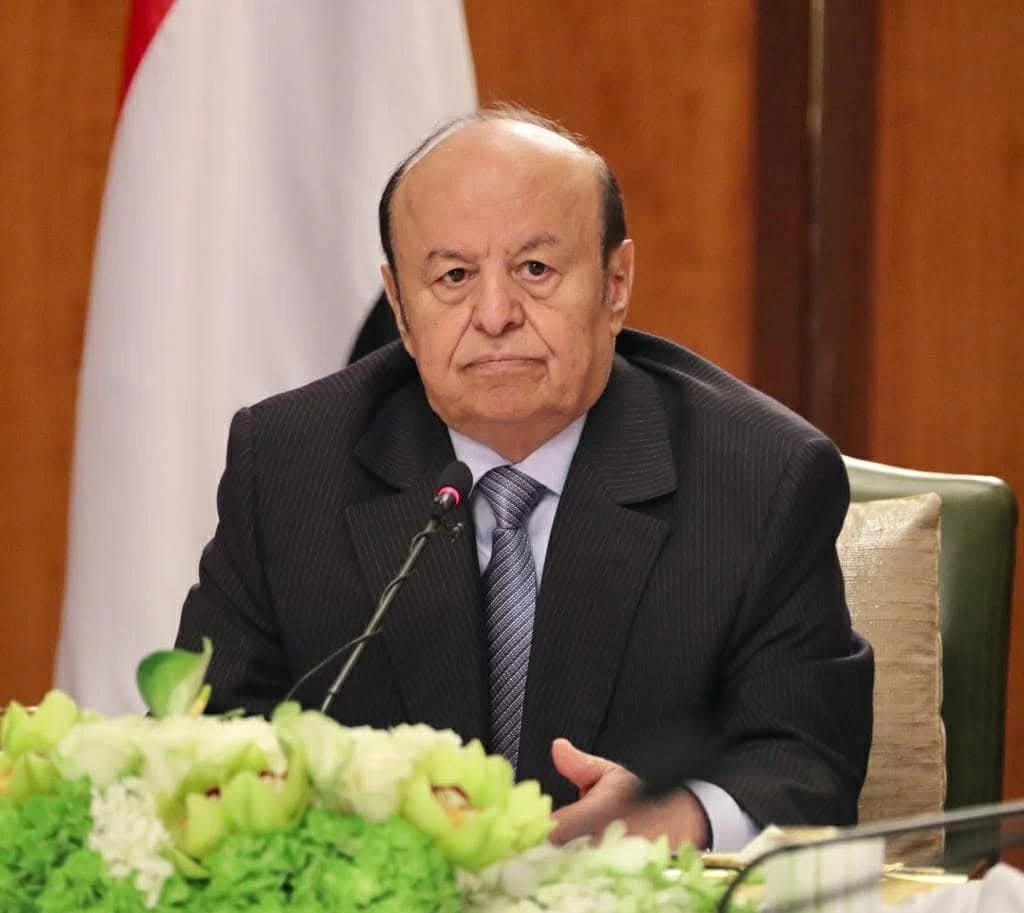
لم يكن عبدربه منصور هادي مجرد رئيس يمني عابر في زمن مضطرب، بل ارتبط اسمه بأكثر المراحل حساسية في تاريخ اليمن الحديث، حين وجد نفسه في مواجهة انقلاب مسلح أطاح بمؤسسات الدولة ودفع البلاد إلى واحدة من أعقد الأزمات السياسية والعسكرية في المنطقة.
وعند الساعة السادسة من صباح اليوم (الخميس) رحل الرئيس اليمني السابق في العاصمة الرياض، لكن رحيله أعاد إلى الواجهة سيرة رجل ارتبط اسمه بالدفاع عن شرعية الدولة اليمنية في لحظة كانت الجمهورية تواجه خطر السقوط الكامل بيد المشروع الحوثي المدعوم من إيران.
هادي، الذي تولى السلطة عام 2012 في مرحلة انتقالية شديدة التعقيد، واجه بعد عامين فقط انقلاب الحوثيين على الدولة، ليصبح أمام اختبار مصيري بين التسليم بالأمر الواقع أو التمسك بشرعية الجمهورية مهما كانت الكلفة. وفي لحظة اعتقد فيها كثيرون أن صنعاء سقطت إلى الأبد، خرج من الإقامة الجبرية متجهاً إلى عدن، معلناً أن الدولة لا تزال قائمة وأن معركة استعادتها لم تنتهِ.
وفي مارس 2015، وجّه هادي طلباً رسمياً إلى دول الخليج العربي، بقيادة المملكة العربية السعودية، للتدخل العسكري دعماً للشرعية اليمنية، في خطوة غيّرت مسار الأزمة وأطلقت «تحالف دعم الشرعية»، الذي مثّل لاحقاً نقطة التحول الأبرز في الحرب اليمنية.
وخلال سنوات الحرب، ظل هادي متمسكاً بخيار الدولة ورافضاً منح الانقلاب أي شرعية سياسية، رغم الضغوط والانقسامات والتشظي التي ضربت مؤسسات البلاد. كما ارتبط اسمه بمسار نقل السلطة سلمياً في 2022، عندما أعلن تفويض صلاحياته لمجلس القيادة الرئاسي، في خطوة وصفها مقربون منه بأنها تعبير عن قناعة بأن بقاء الدولة أهم من بقاء الأشخاص في السلطة.
وبرحيل عبدربه منصور هادي، يطوي اليمن صفحة أحد أبرز رجالات المرحلة الجمهورية، فيما يبقى الجدل مفتوحاً حول إرث سياسي ارتبط بالحرب والتحولات الكبرى، لكنه ظل بالنسبة لكثير من اليمنيين عنواناً للشرعية في مواجهة الانقلاب.
Abdrabbuh Mansur Hadi was not just a passing Yemeni president during a turbulent time; his name is associated with some of the most sensitive phases in modern Yemeni history, as he found himself facing a violent coup that toppled state institutions and plunged the country into one of the most complex political and military crises in the region.
At six o'clock this morning (Thursday), the former Yemeni president passed away in the capital, Riyadh, but his departure brought back to the forefront the story of a man whose name was linked to defending the legitimacy of the Yemeni state at a moment when the republic faced the danger of complete collapse at the hands of the Iranian-backed Houthi project.
Hadi, who assumed power in 2012 during an extremely complicated transitional phase, faced, just two years later, the Houthi coup against the state, putting him to a fateful test between accepting the status quo or clinging to the legitimacy of the republic, no matter the cost. At a moment when many believed that Sana'a had fallen forever, he emerged from house arrest heading to Aden, declaring that the state was still standing and that the battle for its restoration was not over.
In March 2015, Hadi made an official request to the Gulf Arab states, led by the Kingdom of Saudi Arabia, for military intervention in support of Yemeni legitimacy, a step that changed the course of the crisis and launched the "Coalition to Support Legitimacy," which later represented the most significant turning point in the Yemeni war.
Throughout the years of war, Hadi remained committed to the option of the state and refused to grant the coup any political legitimacy, despite the pressures, divisions, and fragmentation that struck the country's institutions. His name was also linked to the peaceful transfer of power in 2022 when he announced the delegation of his powers to the Presidential Leadership Council, a step that those close to him described as an expression of the conviction that the survival of the state is more important than the survival of individuals in power.
With the passing of Abdrabbuh Mansur Hadi, Yemen closes the chapter on one of the most prominent figures of the republican era, while the debate remains open regarding a political legacy tied to war and major transformations, yet for many Yemenis, he remained a symbol of legitimacy in the face of the coup.