فيما أعلنت الحكومة الباكستانية أن وزير الخارجية إسحاق دار سيتوجه إلى واشنطن غداً (الجمعة) للقاء نظيره الأمريكي ماركو روبيو، أعلن وزير الخزانة الأمريكي سكوت بيسنت، اليوم (الخميس)، فرض عقوبات على الهيئة الإيرانية المشرفة على إدارة مضيق هرمز.
وقال بيسنت: «فرضنا اليوم عقوبات على هيئة مضيق هرمز»، محذراً الشركات والدول من دفع رسوم عبور للهيئة أو إخفائها تحت غطاء المساعدات.
وأشار إلى أن الحصار البحري أدى إلى خفض صادرات النفط الإيراني المنقولة بحراً إلى أدنى مستوياتها على الإطلاق، موضحاً أن الولايات المتحدة ستمنع الخطوط الجوية الإيرانية من الوصول إلى مواقع الهبوط والتزود بالوقود ومبيعات التذاكر.
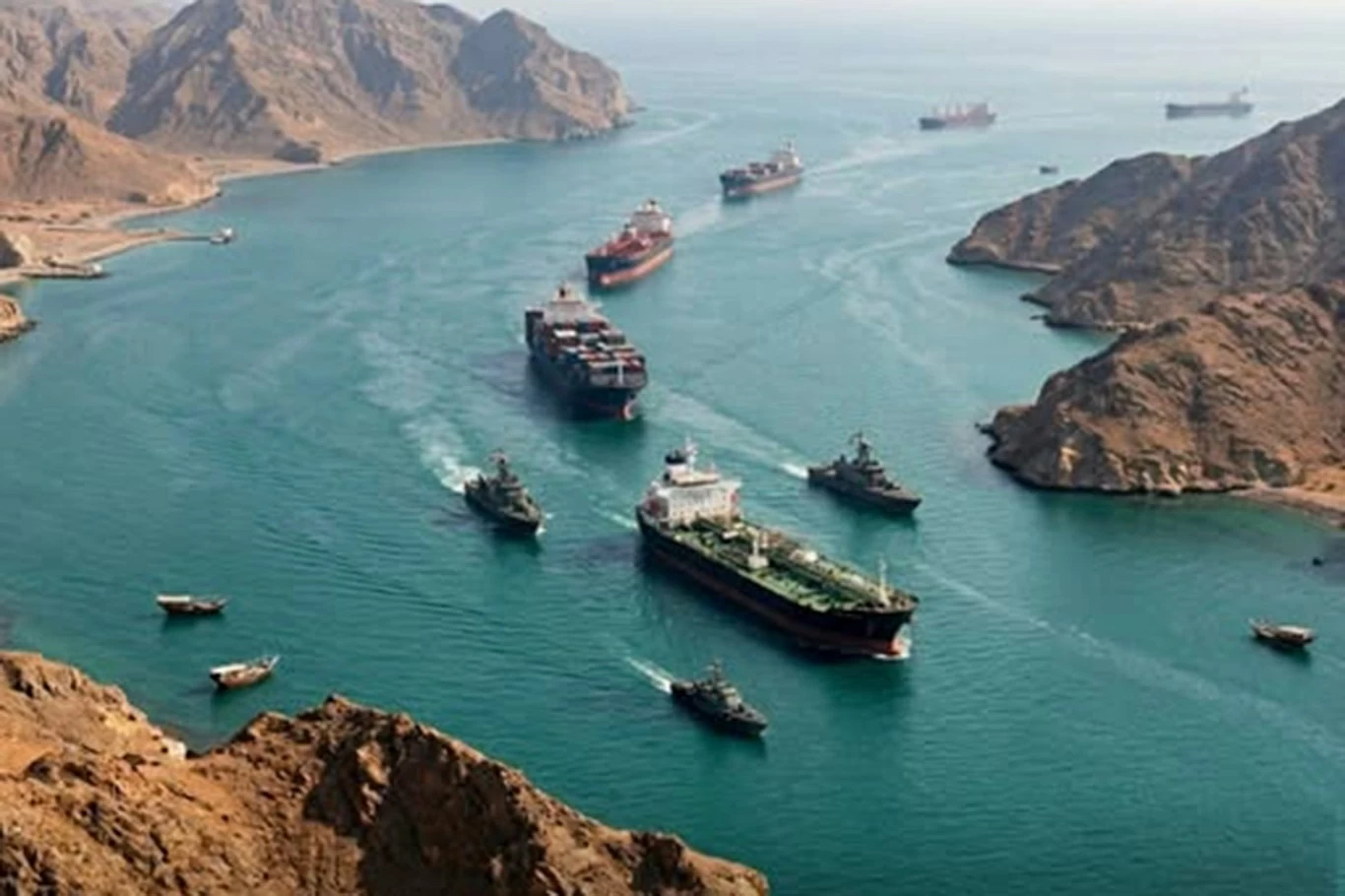
ويأتي التصعيد الأمريكي في إطار الضغوط الاقتصادية والعسكرية المتزايدة التي تمارسها واشنطن على طهران، خصوصاً بعد تصاعد التوترات في مضيق هرمز، الذي يمر عبره نحو خُمس إمدادات النفط العالمية، ما يجعله أحد أكثر الممرات البحرية حساسية في العالم.
وفي المقابل، قالت بحرية الحرس الثوري الإيراني إن 26 سفينة عبرت مضيق هرمز بالتنسيق مع القوات الإيرانية خلال الساعات الـ24 الماضية، مؤكدة ضرورة الحصول على التصاريح اللازمة لضمان العبور الآمن.
وهددت بحرية الحرس الثوري بالتعامل مع أي سفينة تحاول تجاوز المسارات المحددة، في إشارة إلى تشديد الرقابة الإيرانية على حركة الملاحة في المضيق، وسط مخاوف دولية من أي تعطيل محتمل للتجارة العالمية وإمدادات الطاقة.
وكان المرشد الإيراني مجتبى خامنئي قد اتهم، في رسالة مكتوبة بثها التلفزيون الرسمي، الولايات المتحدة وإسرائيل بالسعي إلى زعزعة استقرار إيران.
وقال خامنئي: «إن خطة العدو، بعد الحرب المفروضة والضغوط الاقتصادية والحصار السياسي والإعلامي، هي إحداث انقسامات وتفكك لتعويض الهزائم العسكرية وإخضاع الأمة»، داعياً السلطة التشريعية إلى التحرك سريعاً لمعالجة الأوضاع الاقتصادية وهموم المواطنين.
ويعكس التصعيد المتبادل بين واشنطن وطهران اتجاهاً نحو تشديد المواجهة الاقتصادية والأمنية، في وقت تتزايد فيه التحذيرات الدولية من انعكاسات أي اضطراب في مضيق هرمز على أسواق النفط والطاقة العالمية، خصوصاً مع استمرار التوتر العسكري في الخليج.
The Pakistani government announced that Foreign Minister Ishaq Dar will head to Washington tomorrow (Friday) to meet with his American counterpart Marco Rubio. Meanwhile, U.S. Treasury Secretary Scott Pisent announced today (Thursday) sanctions on the Iranian authority overseeing the management of the Strait of Hormuz.
Pisent stated, "We imposed sanctions today on the Strait of Hormuz authority," warning companies and countries against paying transit fees to the authority or disguising them under the guise of aid.
He noted that the maritime blockade has led to a reduction in Iranian oil exports transported by sea to their lowest levels ever, explaining that the United States will prevent Iranian airlines from accessing landing sites, refueling, and ticket sales.
This U.S. escalation comes as part of the increasing economic and military pressures Washington is exerting on Tehran, especially after the rise in tensions in the Strait of Hormuz, through which about one-fifth of the world's oil supplies pass, making it one of the most sensitive maritime corridors in the world.
In response, the Iranian Revolutionary Guard Navy stated that 26 ships have crossed the Strait of Hormuz in coordination with Iranian forces over the past 24 hours, emphasizing the necessity of obtaining the required permits to ensure safe passage.
The Revolutionary Guard Navy threatened to deal with any ship attempting to exceed the designated routes, indicating a tightening of Iranian oversight on navigation in the strait, amid international concerns over any potential disruption to global trade and energy supplies.
Iranian leader Mojtaba Khamenei accused the United States and Israel, in a written message broadcast by state television, of seeking to destabilize Iran.
Khamenei said, "The enemy's plan, after the imposed war and economic pressures and political and media blockade, is to create divisions and disintegration to compensate for military defeats and subjugate the nation," calling on the legislative authority to act quickly to address economic conditions and citizens' concerns.
The mutual escalation between Washington and Tehran reflects a trend toward tightening economic and security confrontations, at a time when international warnings are increasing about the repercussions of any disruption in the Strait of Hormuz on global oil and energy markets, especially with ongoing military tensions in the Gulf.