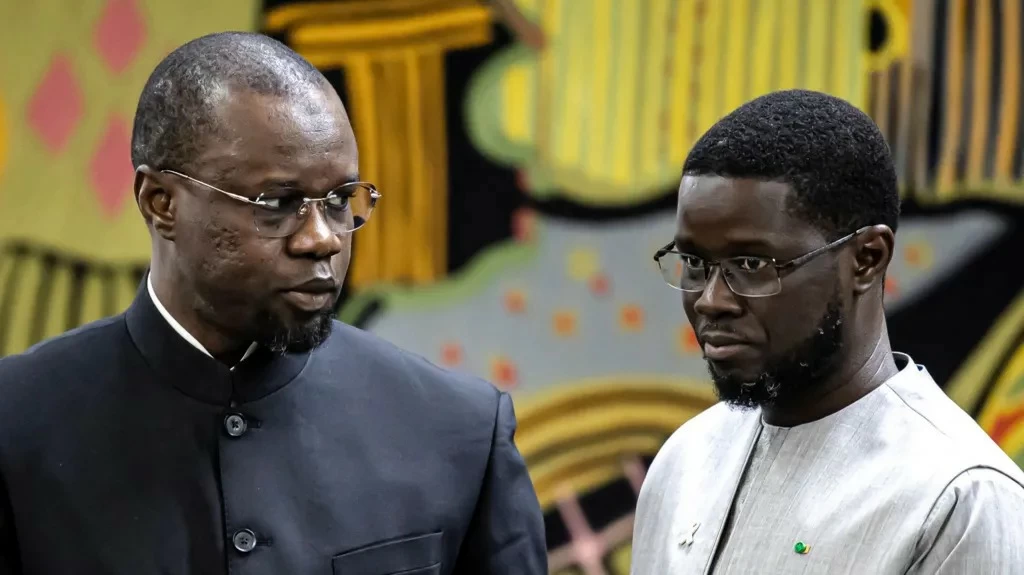
أقال رئيس السنغال باسيرو ديوماي فاي رئيس الوزراء عثمان سونكو، وحلّ الحكومة بالكامل، في خطوة مفاجئة أنهت تحالفاً سياسياً اعتُبر الأبرز في البلاد خلال السنوات الأخيرة.
وجاء الإعلان عبر مرسوم رئاسي تلاه أحد مساعدي الرئيس على شاشة التلفزيون الرسمي، مؤكداً إنهاء مهمات سونكو وأعضاء الحكومة كافة من وزراء وكتاب دولة.
خلافات متصاعدة
القرار جاء بعد أشهر من التوتر المتزايد بين الرجلين، خصوصاً عقب انتقادات علنية وجهها سونكو للرئيس خلال جلسة برلمانية، اتهم فيها السلطة بسوء إدارة أزمة الديون المتفاقمة.
وبحسب تقارير محلية، سبق للرئيس فاي أن عبّر عن استيائه مما وصفه بالمبالغة في شخصنة الحزب الحاكم من جانب سونكو، بينما رد الأخير باتهام الرئيس بضعف القيادة وعدم الدفاع عنه أمام خصومه السياسيين.
وعقب إعلان الإقالة، كتب سونكو عبر مواقع التواصل الاجتماعي أنه «سينام مرتاح البال»، في رسالة فسّرها مراقبون بأنها تعكس تقبله للقرار رغم عمق الخلافات.
من السجن إلى السلطة
ويُنظر إلى سونكو باعتباره الشخصية السياسية الأكثر شعبية بين الشباب السنغالي، كما لعب دوراً محورياً في وصول فاي إلى الرئاسة خلال انتخابات 2024.
وكان سونكو المرشح الأوفر حظاً للفوز بالرئاسة، قبل استبعاده من السباق بسبب إدانته في قضية تشهير، ما دفعه إلى دعم فاي تحت شعار: «ديوماي هو سونكو، وسونكو هو ديوماي».
وحقق الثنائي صعوداً سياسياً لافتاً بعد الإطاحة بالرئيس السابق ماكي سال، رغم أن كليهما كان داخل السجن قبل الانتخابات بعشرة أيام فقط.
احتجاجات في داكار
وعقب إقالة سونكو، خرج مئات الطلاب إلى شوارع العاصمة داكار دعماً لرئيس الوزراء المقال، وسط حالة من الترقب السياسي بشأن مستقبل الحكومة الجديدة.
ولم تعلن الرئاسة السنغالية حتى الآن اسم رئيس الوزراء الجديد أو موعد تشكيل الحكومة القادمة.
أزمة اقتصادية
وتأتي الأزمة السياسية في وقت تواجه السنغال ضغوطاً اقتصادية حادة، إذ بلغ الدين العام نحو 132% من الناتج المحلي الإجمالي، وفق تقديرات صندوق النقد الدولي.
كما جمّد الصندوق برنامج تمويل بقيمة 1.8 مليار دولار مخصص للسنغال، في ظل المخاوف المتعلقة بالأوضاع المالية التي ورثتها الإدارة الحالية عن الحكومة السابقة.
The President of Senegal, Bassekou Diomai Fay, dismissed Prime Minister Ousmane Sonko and dissolved the entire government in a surprising move that ended a political alliance considered the most prominent in the country in recent years.
The announcement came via a presidential decree read by one of the president's aides on state television, confirming the termination of Sonko's and all government members' duties, including ministers and state secretaries.
Escalating Disputes
The decision followed months of increasing tension between the two men, particularly after Sonko publicly criticized the president during a parliamentary session, accusing the administration of mismanaging the escalating debt crisis.
According to local reports, President Fay had previously expressed his dissatisfaction with what he described as Sonko's exaggeration in personalizing the ruling party, while the latter responded by accusing the president of weak leadership and failing to defend him against his political opponents.
Following the announcement of his dismissal, Sonko wrote on social media that he would "sleep with a clear conscience," a message interpreted by observers as reflecting his acceptance of the decision despite the deep disagreements.
From Prison to Power
Sonko is viewed as the most popular political figure among Senegalese youth and played a pivotal role in Fay's rise to the presidency during the 2024 elections.
Sonko was the frontrunner for the presidency before being excluded from the race due to a defamation conviction, which led him to support Fay under the slogan: "Diomai is Sonko, and Sonko is Diomai."
The duo achieved a remarkable political rise after the ousting of former President Macky Sall, even though both were in prison just ten days before the elections.
Protests in Dakar
Following Sonko's dismissal, hundreds of students took to the streets of the capital, Dakar, in support of the ousted prime minister, amid a political atmosphere of anticipation regarding the future of the new government.
The Senegalese presidency has not yet announced the name of the new prime minister or the date for the formation of the upcoming government.
Economic Crisis
The political crisis comes at a time when Senegal is facing severe economic pressures, with public debt reaching about 132% of GDP, according to estimates from the International Monetary Fund.
The Fund has also frozen a $1.8 billion financing program allocated for Senegal, amid concerns regarding the financial situation inherited by the current administration from the previous government.