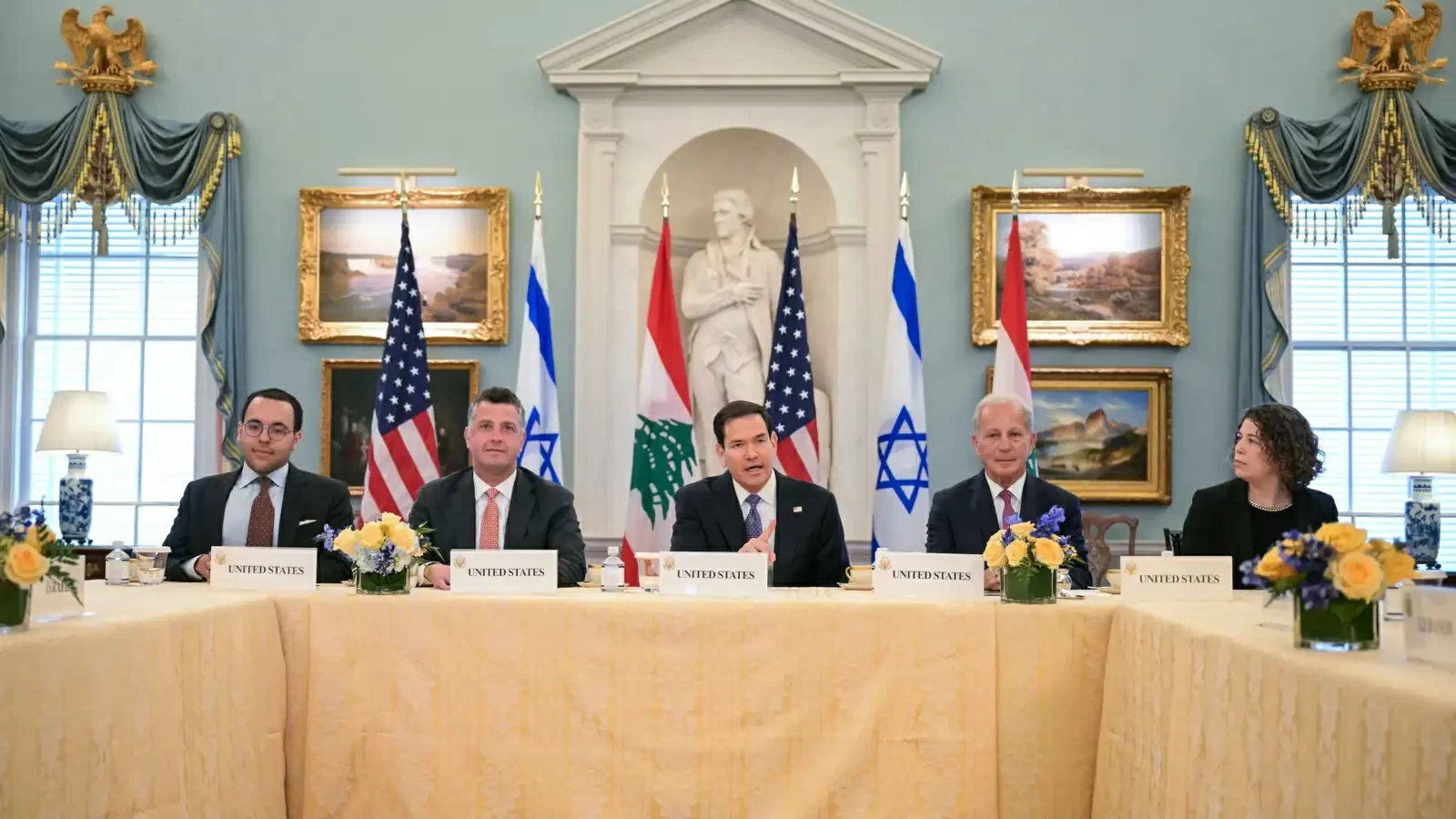
دخلت الساحة اللبنانية اختباراً ميدانياً وسياسياً جديداً مع بدء سريان مهلة الـ45 يوماً، لتمديد الهدنة التي أسفرت عنها الجولة الثالثة من مفاوضات واشنطن.
هذا التمديد، الذي جاء بشروط الوضع الراهن السارية، يطرح إشكالية أساسية تتعلق بطبيعة هذه المهلة، إذ تبدو في حسابات القوى الدولية والإقليمية أنها نافذة زمنية جرى تصميمها بدقة لشراء وقت سياسي وأمني مزدوج بهدف بناء ترتيبات دائمة وقابلة للتنفيذ على الحدود اللبنانية-الإسرائيلية.
وتتقاطع المعلومات المتداولة في الأروقة اللبنانية اليوم عند اعتبار أن الإخفاق في إصدار «إعلان نوايا» مشترك خلال جولة واشنطن قد استُعيض عنه بآلية أكثر تعقيداً، وهي إطلاق «مسار أمني موازٍ للمسار السياسي». هذا الفصل الإجرائي يعني عملياً أن الملف اللبناني خرج من دائرة المعالجة الدبلوماسية المحضة التي تقودها وزارة الخارجية الأمريكية، ليدخل في مسار أمني برعاية البنتاغون، وهو ما تؤكده معطيات دبلوماسية تشير إلى ربط أي تقدم سياسي مستقبلي في لبنان بمدى القابلية لتطبيق ترتيبات أمنية أكثر تشدداً على الأرض، تشمل آليات التنسيق المباشر والرقابة على الحدود وجنوب الليطاني.
وفي المقابل، تعكس الأجواء السياسية في بيروت حجماً ملحوظاً من التباين في قراءة أبعاد هذه المهلة وانعكاساتها على التوازنات الداخلية.
ففي الوقت الذي تبدي فيه السلطة حركة واضحة لتثبيت التهدئة وضمان شمولية وقف الأعمال العدائية في كافة المناطق والبلدات الجنوبية دون استثناء، تبرز في الموازاة مخاوف لدى أطراف أخرى من أن تكون هذه الترتيبات الأمنية المقترحة مقدمة لفرض شروط قد تؤدي إلى تباين داخلي متصاعد بدأت تظهر ملامحه من خلال رفع السقوف عند حزب الله الذي حذر السلطة من مغبة الرضوخ للإملاءات الخارجية أو الانتقال التدريجي نحو تسويات تمس بالثوابت والقوانين، وعلى رأسها قانون مقاطعة إسرائيل لعام 1955. وهو ما يضع الأطراف اللبنانية أمام معضلة التوفيق بين الالتزامات الدولية والحفاظ على الاستقرار الداخلي.
وعليه، تكتسب مهلة الـ45 يوماً الحالية طابع «مرحلة الاختبار الصعبة»، فالأنظار تتجه كلها نحو محطتين حاسمتين جرى تحديد موعدهما بدقة: الأولى في 29 مايو الجاري مع انطلاق المسار الأمني من البنتاغون، والثانية في 2 و3 يونيو القادم لاستكمال النقاش السياسي في وزارة الخارجية الأمريكية. وبين هذين التاريخين، يجد لبنان نفسه أمام استحقاق داهم، فإما أن تشكل هذه المهلة جسراً للعبور نحو استقرار مستدام ومحصن دولياً، وإما أن تظل مجرد هدنة هشة تحيّد العاصمة مؤقتاً بانتظار جولة جديدة من التصعيد الميداني.
The Lebanese arena has entered a new field and political test with the start of the 45-day deadline for extending the ceasefire resulting from the third round of negotiations in Washington.
This extension, which came under the current prevailing conditions, raises a fundamental issue regarding the nature of this deadline, as it appears in the calculations of international and regional powers to be a precisely designed time window to buy dual political and security time aimed at building permanent and implementable arrangements on the Lebanese-Israeli border.
Information circulating in Lebanese corridors today converges on the notion that the failure to issue a joint "Declaration of Intent" during the Washington round has been replaced by a more complex mechanism, which is the launch of a "security track parallel to the political track." This procedural separation practically means that the Lebanese file has moved out of the realm of pure diplomatic handling led by the U.S. State Department, entering a security track under the auspices of the Pentagon, which is confirmed by diplomatic data indicating a linkage of any future political progress in Lebanon to the feasibility of implementing stricter security arrangements on the ground, including mechanisms for direct coordination and monitoring on the borders and south of the Litani River.
In contrast, the political atmosphere in Beirut reflects a noticeable degree of divergence in reading the dimensions of this deadline and its implications on internal balances.
While the authority shows a clear movement to stabilize the calm and ensure the comprehensiveness of the cessation of hostilities in all southern areas and towns without exception, there are parallel fears among other parties that these proposed security arrangements may be a prelude to imposing conditions that could lead to rising internal divergence, which has begun to show its features through the raising of ceilings by Hezbollah, which warned the authority against the dangers of succumbing to external dictates or gradually moving towards settlements that touch upon constants and laws, foremost among them the 1955 Law of Boycott against Israel. This places the Lebanese parties in front of the dilemma of reconciling international commitments while maintaining internal stability.
Accordingly, the current 45-day deadline takes on the character of a "difficult testing phase," as all eyes are directed towards two decisive dates that have been precisely set: the first on May 29 with the launch of the security track from the Pentagon, and the second on June 2 and 3 to continue the political discussion at the U.S. State Department. Between these two dates, Lebanon finds itself facing an imminent entitlement, either this deadline will serve as a bridge to cross towards sustainable and internationally fortified stability, or it will remain merely a fragile ceasefire that temporarily sidelines the capital while awaiting a new round of field escalation.