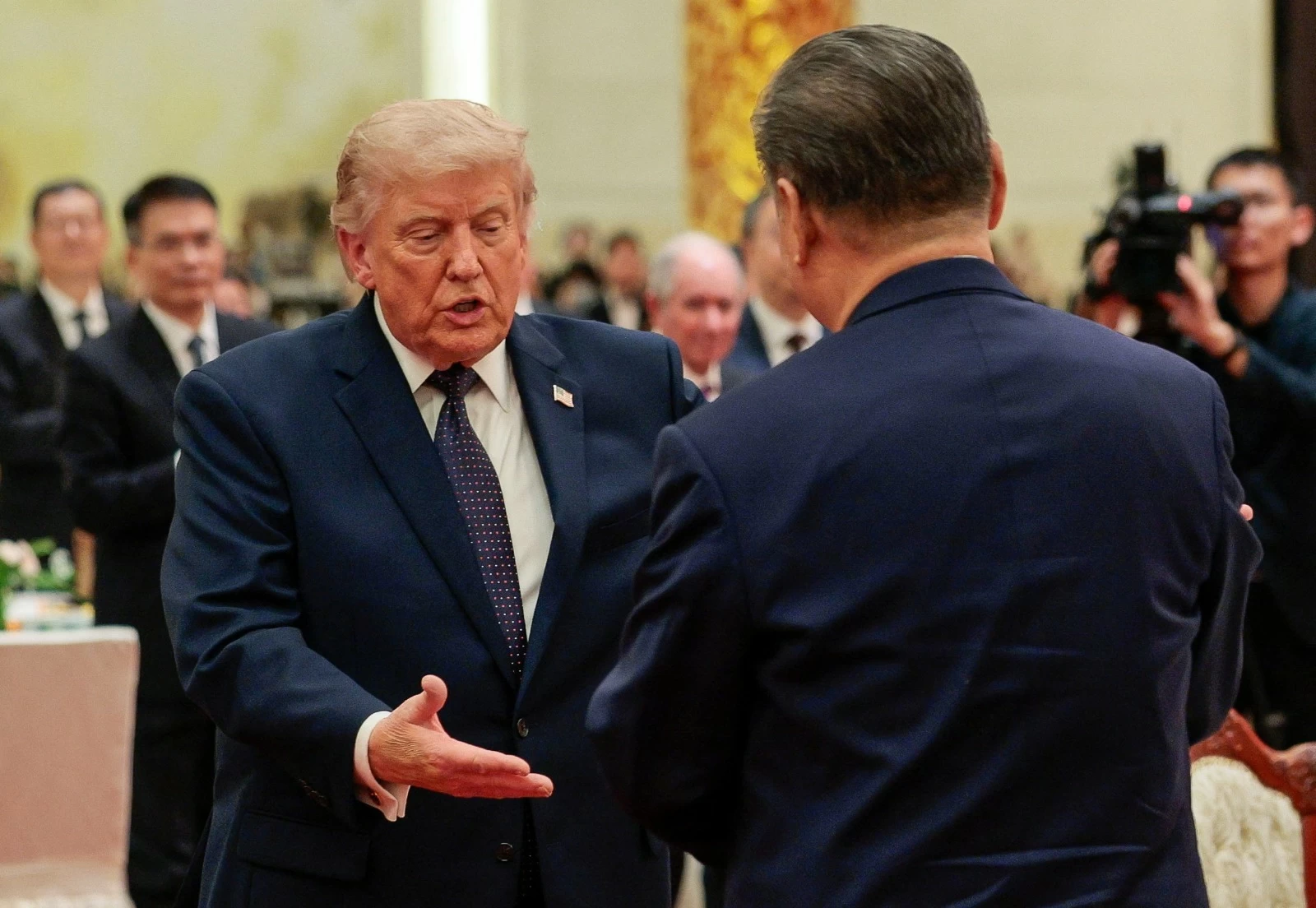
أكد الرئيس الأمريكي دونالد ترمب اليوم (الخميس)، أن الرئيس الصيني شي جين بينج عرض المساعدة فيما يخص مضيق هرمز.
ونقلت شبكة «فوكس نيوز» عن ترمب قوله: من الواضح أن الصين لديها مصلحة كبيرة في فتح مضيق هرمز، مبيناً أن الرئيس الصيني يرغب في رؤية مضيق هرمز مفتوحاً.
رفض أمريكي للمساعدة
في غضون ذلك، قال وزير الخارجية الأمريكي ماركو روبيو إن الرئيس دونالد ترمب أثار ملف إيران خلال لقائه مع الرئيس الصيني شي جين بينج، لكنه لم يطلب منه أي شيء، مضيفاً: «نحن لا نطلب مساعدة الصين، لا نحتاج إلى مساعدتهم».
وأوضح أن واشنطن أثارت القضية لتوضيح موقفها فقط، قائلاً: «طرحنا الموضوع لتوضيح موقفنا وجعله مفهوماً بالنسبة لهم، وهو أمر منطقي، كان من الطبيعي أن نتحدث عن هذه القضية».
وأشار روبيو إلى أن موقف الولايات المتحدة واضح جداً، ويتمثل في أن إيران لا يمكن أن تمتلك سلاحاً نووياً.
وفي رده على سؤال حول موقف الصين من امتلاك إيران للسلاح النوني قال روبيو: الجانب الصيني كرر موقفه السابق، وهو أن إيران دولة موقعة على معاهدة عدم الانتشار النووي، وبالتالي لا ينبغي أن تمتلك سلاحاً نووياً، مضيفاً: «كرروا هذه النقطة مجدداً اليوم، ربما ليس بالحدة نفسها التي أعبر بها عنها، لكنهم بالتأكيد كرروها في السابق».
ولفت إلى أن «لا دولة تريد أن ترى إيران تمتلك سلاحاً نووياً»، مبيناً أن الولايات المتحدة تحاول القيام بشيء حيال ذلك.
تسليح تايوان
وفيما يتعلق بتسليح تايوان قال وزير الخارجية الأمريكي: مسألة مبيعات الأسلحة الأمريكية إلى تايوان لم تكن حاضرة بشكل بارز في المحادثات بين الرئيسين، مبيناً أن الرئيس الصيني شي جين بينج، سبق وأن أثار هذه القضية مع ترمب في الماضي.
ولفت إلى أن الولايات المتحدة تعتمد سياسة «الغموض الإستراتيجي»، بشأن تايوان، لأنها لا تريد رؤية صراع حول الجزيرة التي تسعى الصين إلى إعادة توحيدها مع البر الرئيسي، فيما لم تستبعد بكين استخدام القوة لتحقيق ذلك.
وقال روبيو: «نعتقد أن فرض ذلك بالقوة، أو بأي خطوة من هذا النوع سيكون خطأً فادحاً، وستكون لذلك تداعيات على مستوى العالم، وليس فقط على الولايات المتحدة، ونحن نترك الأمر عند هذا الحد».
وشدد روبيو بالقول: سياسة الولايات المتحدة تجاه تايوان لم تتغير، ولم تتغير أيضاً خلال الاجتماع الذي عقدناه هنا اليوم، ولقد أُثيرت القضية، وهم يثيرونها دائماً من جانبهم، ونحن نوضح دائماً موقفنا، ثم ننتقل إلى القضايا الأخرى.
U.S. President Donald Trump confirmed today (Thursday) that Chinese President Xi Jinping offered assistance regarding the Strait of Hormuz.
Fox News reported Trump as saying: "It is clear that China has a great interest in keeping the Strait of Hormuz open," indicating that the Chinese president wishes to see the Strait of Hormuz open.
U.S. Rejection of Assistance
Meanwhile, U.S. Secretary of State Marco Rubio stated that President Donald Trump raised the Iran issue during his meeting with Chinese President Xi Jinping, but did not ask him for anything, adding: "We are not asking for China's help; we do not need their assistance."
He clarified that Washington raised the issue only to clarify its position, saying: "We brought up the topic to clarify our stance and make it understandable to them, which makes sense; it was natural for us to talk about this issue."
Rubio pointed out that the U.S. position is very clear, which is that Iran cannot possess nuclear weapons.
In response to a question about China's stance on Iran possessing nuclear weapons, Rubio said: "The Chinese side reiterated its previous position, which is that Iran is a signatory to the Non-Proliferation Treaty, and therefore should not possess nuclear weapons," adding: "They reiterated this point again today, perhaps not with the same intensity that I express it, but they certainly have repeated it in the past."
He noted that "no country wants to see Iran possessing nuclear weapons," indicating that the United States is trying to do something about it.
Arming Taiwan
Regarding the arming of Taiwan, the U.S. Secretary of State said: "The issue of U.S. arms sales to Taiwan was not prominently present in the discussions between the two presidents," noting that Chinese President Xi Jinping had previously raised this issue with Trump in the past.
He pointed out that the United States follows a policy of "strategic ambiguity" regarding Taiwan, as it does not want to see conflict over the island that China seeks to reunify with the mainland, while Beijing has not ruled out the use of force to achieve that.
Rubio stated: "We believe that imposing that by force, or any step of that kind, would be a grave mistake, and it would have global repercussions, not just for the United States, and we will leave it at that."
Rubio emphasized: "The U.S. policy towards Taiwan has not changed, nor did it change during the meeting we held here today; the issue was raised, and they always raise it from their side, and we always clarify our position, then we move on to other issues."