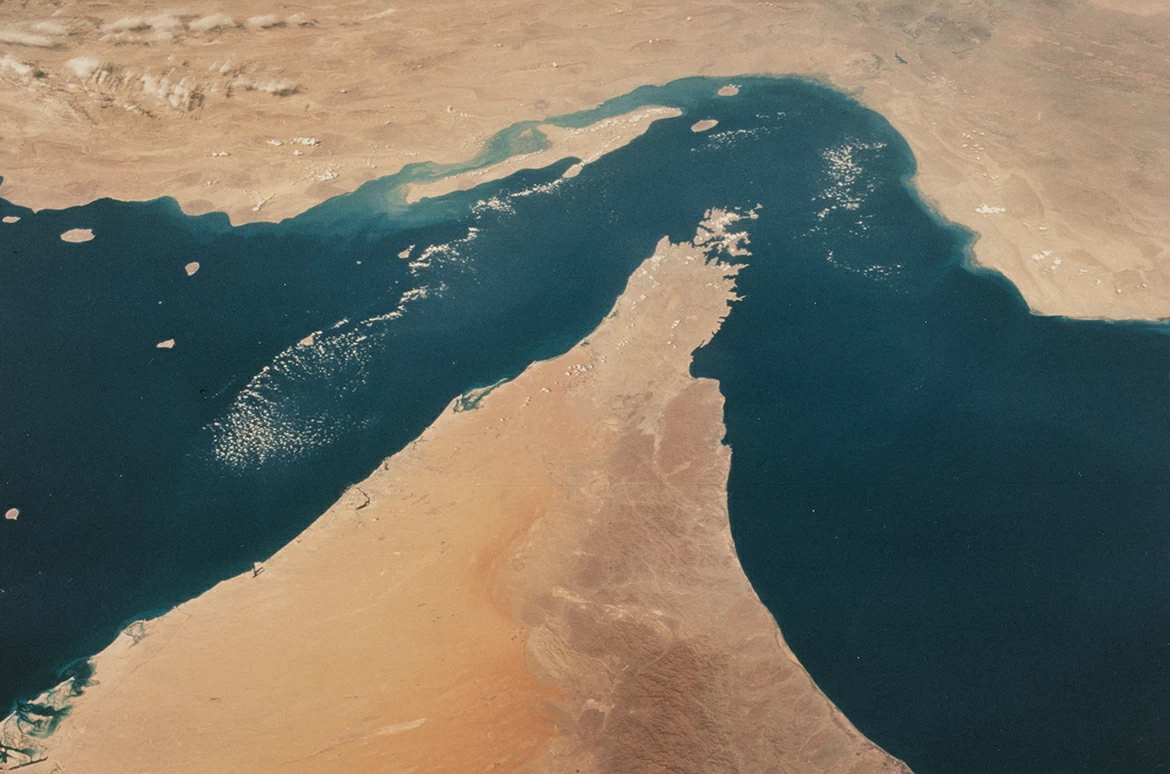
فيما تستمر حالة الجمود الدبلوماسي بين واشنطن وطهران، وسط مخاوف من انهيار وقف إطلاق النار، اعترف الجيش الإيراني بأنه يستعمل هذا الممر الملاحي الاستراتيجي ورقةَ ضغطٍ لتحقيق مكاسب سياسية. واعتبر المتحدث باسم الجيش العميد محمد أكرمي نيا، أن السيطرة على مضيق هرمز ستعزز قوة البلاد في مجال السياسة الخارجية، بحسب ما نقلت وكالة تسنيم، اليوم (الأربعاء). ولفت إلى أن السيطرة على المضيق ستجلب للبلاد عوائد اقتصادية تعادل ضعف عائدات النفط. وقال أكرمي: «الجزء الغربي من هرمز يخضع لسيطرة القوة البحرية للحرس الثوري والجزء الشرقي تحت سيطرة قوات الجيش البحرية». وأفاد بأن القوات الإيرانية لن تسمح بعد الآن بمرور الأسلحة الأمريكية عبر مضيق هرمز، زاعماً أن الأمريكيين شاهدوا جزءاً فقط من القدرات الإيرانية.
من جانبه، أعلن الجيش الأمريكي أن مقاتلة إف 35 تقوم بدورية فوق المياه الإقليمية قرب مضيق هرمز.
وتصاعد التوتر بين إيران والولايات المتحدة بشكل أكبر خلال الأيام القليلة الماضية، إثر رفض الجانب الإيراني للمقترح الأمريكي الأحدث من أجل إنهاء الحرب التي تفجرت في 28 فبراير الماضي.
وكان الرئيس دونالد ترمب أكد أكثر من مرة أنه لن يقبل بإبقاء المضيق الذي تمر عبره خُمس شحنات النفط والغاز عالمياً، مغلقاً أمام حركة الملاحة، ولوح أخيراً باحتمال إعادة العمل بـ«مشروع الحرية» لتوجيه سفن الشحن، الذي أطلقه الأسبوع الماضي، إلا أنه سرعان ما أعلن لاحقاً تعليقه.
في حين كررت طهران أن الوضع في هرمز لن يعود لما كان عليه قبل الحرب، مؤكدة تمسكها بإدارة المضيق مع فرض رسوم على السفن التي تعبره.
As the diplomatic stalemate between Washington and Tehran continues, amid fears of a collapse of the ceasefire, the Iranian army has acknowledged that it is using this strategic maritime corridor as leverage to achieve political gains. The army's spokesman, Brigadier General Mohammad Akrami Nia, stated that controlling the Strait of Hormuz would enhance the country's power in foreign policy, according to what the Tasnim news agency reported today (Wednesday). He noted that control of the strait would bring the country economic returns equivalent to double the revenue from oil. Akrami said, "The western part of Hormuz is under the control of the naval forces of the Revolutionary Guard, while the eastern part is under the control of the naval forces of the army." He reported that Iranian forces will no longer allow the passage of American weapons through the Strait of Hormuz, claiming that the Americans have only seen a part of Iran's capabilities.
Meanwhile, the U.S. military announced that an F-35 fighter jet is patrolling over the territorial waters near the Strait of Hormuz.
Tensions between Iran and the United States have escalated further in recent days, following the Iranian side's rejection of the latest U.S. proposal to end the war that erupted on February 28.
President Donald Trump has repeatedly stated that he will not accept keeping the strait, through which one-fifth of the world's oil and gas shipments pass, closed to navigation, and he recently hinted at the possibility of reinstating the "Freedom Project" to direct shipping vessels, which he launched last week, but he quickly announced its suspension later.
Meanwhile, Tehran reiterated that the situation in Hormuz will not return to what it was before the war, asserting its commitment to managing the strait while imposing fees on ships that cross it.