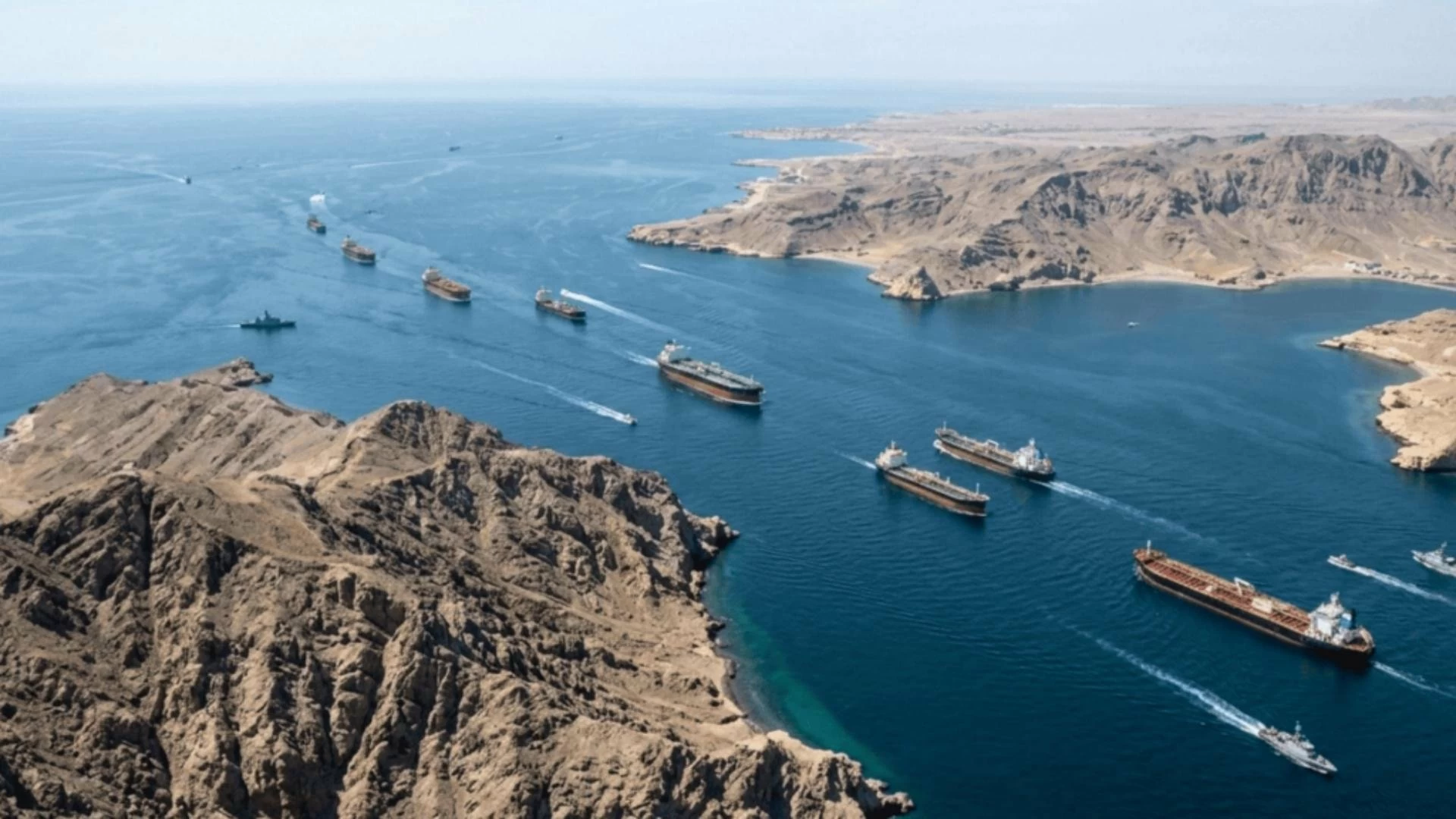
تجتمع أكثر من 40 دولة، اليوم الاثنين، لعرض مساهماتها العسكرية في مهمة تقودها أوروبا لمرافقة السفن التجارية عبر مضيق هرمز فور التوصل إلى اتفاق نهائي لوقف إطلاق النار بين الولايات المتحدة وإيران.
توفير الأمن للسفن التجارية
ويتوقع أن تقدم هذه الدول، خدمات إزالة الألغام والمرافقة والمراقبة الجوية كجزء من مهمة بحرية دفاعية تقودها بريطانيا وفرنسا، تهدف إلى توفير الأمن للسفن التجارية التي تحاول عبور المضيق.
وقال وزير الدفاع البريطاني جون هيلي، الذي سيترأس الاجتماع الثالث من نوعه، بالاشتراك مع نظيرته الفرنسية كاثرين فوتران: «نحن نحول الاتفاق الدبلوماسي إلى خطط عسكرية عملية لاستعادة ثقة الملاحة عبر هرمز».
وستنشر بريطانيا إحدى سفنها الحربية، وهي المدمرة «إتش إم إس دراجون» القادرة على تدمير الصواريخ الموجهة، كجزء من المهمة، التي لن تبدأ إلا بعد التوصل إلى وقف دائم لإطلاق النار أو اتفاق لإنهاء حرب إيران.
وتأتي هذه التحركات بعد انتقادات من الرئيس دونالد ترمب لبريطانيا ودول أخرى في حلف الناتو لترددها في إرسال قوات بحرية للمساعدة في فتح مضيق هرمز. وانتقد لندن لعرضها إرسال حاملات طائرات في وقت متأخر جداً، واصفاً السفن بأنها «ألعاب».
«شارل ديجول» إلى البحر الأحمر
ويتوقع أن تقدم عدد من الدول قدرات في مجال إزالة الألغام والمرافقة والشرطة الجوية في إطار هذه القوة العسكرية الدولية. وأعلنت فرنسا نقل حاملة الطائرات «شارل ديجول» إلى البحر الأحمر في خطوة تهدف إلى إظهار استعداد التحالف لتأمين المضيق. وتتطلب هذه الخطة التنسيق مع إيران، وأبدت عشرات الدول استعدادها للمشاركة.
ونقلت وكالة «بلومبيرغ» في وقت سابق، عن مسؤول فرنسي قوله: إن بلاده نقلت حاملة الطائرات «شارل ديجول» إلى البحر الأحمر، وستنضم إليها قريباً سفن من دول شريكة أخرى، مضيفاً أن هذه الخطوة تهدف إلى توجيه إشارة إلى أن التحالف البحري بقيادة فرنسا وبريطانيا مستعد لتأمين المضيق.
وأضاف المسؤول أن التحالف البحري بقيادة فرنسا وبريطانيا مستعد لمرافقة ناقلات النفط عبر مضيق هرمز، إذا وافقت إيران على مقترح أمريكي لإنهاء الحرب.
وستكون قدرة بريطانيا على المشاركة في أي مهمة حماية، محدودة، بسبب سلاح البحرية الملكية الذي صار أصغر بكثير الآن مما كان عليه في الماضي، والذي اضطر إلى سحب بعض السفن من الخدمة قبل توفير بدائل لها.
إيران تتوعد بـرد عسكري
ورد نائب وزير الخارجية الإيراني، بأن أي خطط من هذا القبيل، ستُعتبر تصعيداً للحرب على إيران، وستُقابل برد عسكري.
وقال نائب وزير الخارجية الإيراني كاظم غريب آبادي، إن «أي نشر أو تمركز لمدمرات من خارج المنطقة حول مضيق هرمز، بذريعة حماية الملاحة، ليس إلا تصعيداً للأزمة، وعسكرة لممر مائي حيوي، ومحاولة للتغطية على السبب الجذري لانعدام الأمن في المنطقة». وأضاف أن رد إيران سيكون «حاسماً وفورياً».
More than 40 countries are meeting today, Monday, to showcase their military contributions to a European-led mission to escort commercial ships through the Strait of Hormuz, following a final agreement on a ceasefire between the United States and Iran.
Ensuring Security for Commercial Ships
These countries are expected to provide mine-clearing, escort, and aerial surveillance services as part of a defensive naval mission led by Britain and France, aimed at ensuring the safety of commercial vessels attempting to cross the strait.
British Defense Minister John Healey, who will chair the third meeting of its kind alongside his French counterpart Catherine Colonna, stated: “We are turning the diplomatic agreement into practical military plans to restore confidence in navigation through Hormuz.”
Britain will deploy one of its warships, the destroyer “HMS Dragon,” capable of destroying guided missiles, as part of the mission, which will not commence until a permanent ceasefire or an agreement to end the war with Iran is reached.
These moves come after criticism from President Donald Trump directed at Britain and other NATO countries for their hesitation in sending naval forces to help open the Strait of Hormuz. He criticized London for offering to send aircraft carriers too late, describing the ships as “toys.”
“Charles de Gaulle” to the Red Sea
A number of countries are expected to provide capabilities in mine-clearing, escort, and aerial policing as part of this international military force. France has announced the deployment of the aircraft carrier “Charles de Gaulle” to the Red Sea in a move aimed at demonstrating the coalition's readiness to secure the strait. This plan requires coordination with Iran, and dozens of countries have expressed their willingness to participate.
Earlier, Bloomberg reported a French official stating that France has moved the aircraft carrier “Charles de Gaulle” to the Red Sea, and ships from other partner countries will soon join it, adding that this step aims to signal that the naval coalition led by France and Britain is ready to secure the strait.
The official added that the naval coalition led by France and Britain is prepared to escort oil tankers through the Strait of Hormuz if Iran agrees to a U.S. proposal to end the war.
Britain's ability to participate in any protective mission will be limited due to the Royal Navy being much smaller now than in the past, which has had to withdraw some ships from service before providing replacements.
Iran Threatens Military Response
The Iranian Deputy Foreign Minister responded that any such plans would be considered an escalation of the war against Iran and would be met with a military response.
Iranian Deputy Foreign Minister Kazem Gharib Abadi stated that “any deployment or positioning of destroyers from outside the region around the Strait of Hormuz, under the pretext of protecting navigation, is nothing but an escalation of the crisis, militarization of a vital waterway, and an attempt to cover up the root cause of insecurity in the region.” He added that Iran's response would be “decisive and immediate.”