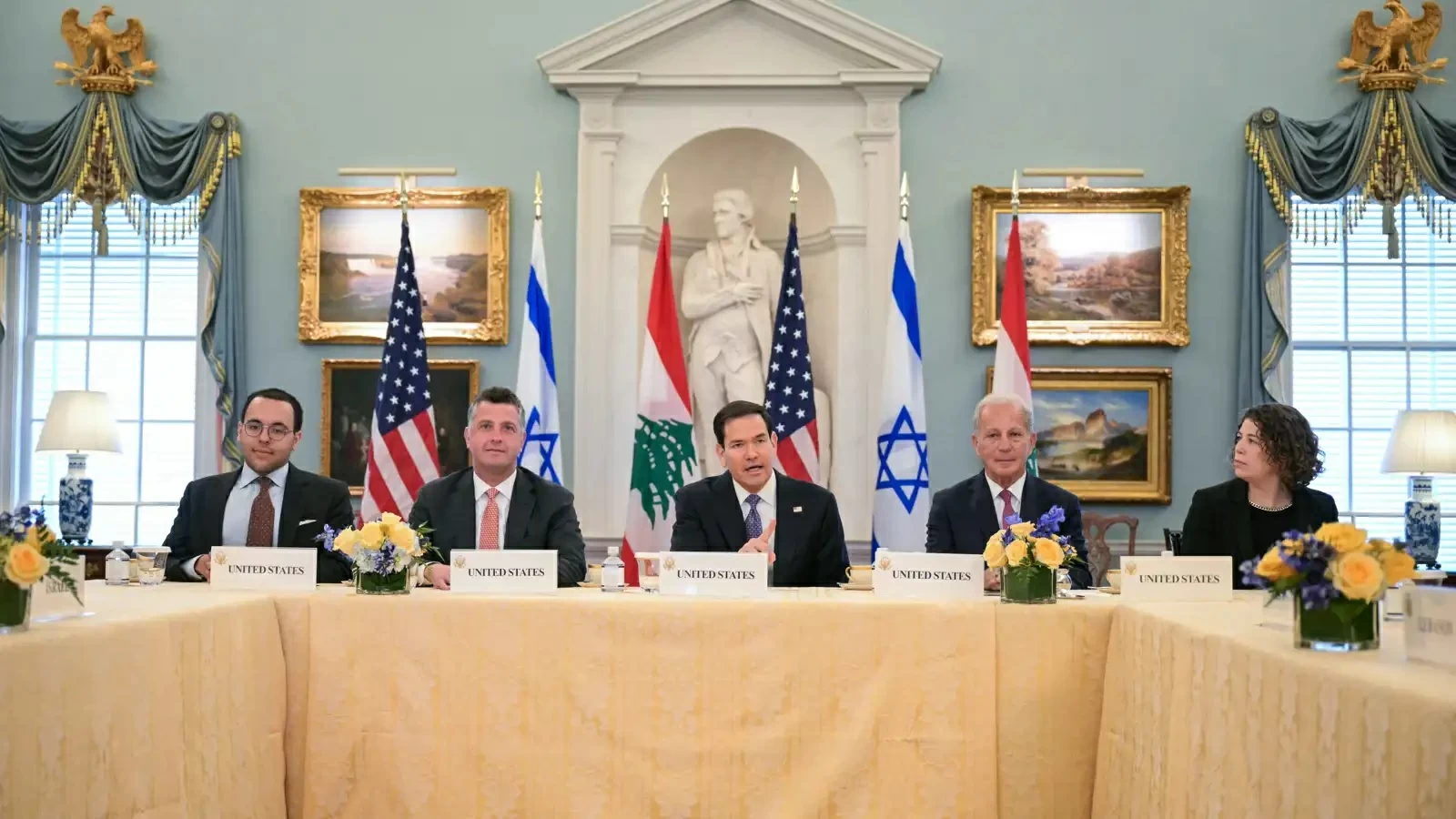
بين جلستين تفاوضيتين تعقدان هذا الأسبوع في واشنطن، يحاول لبنان الانتقال من مرحلة التنسيق السياسي والأمني إلى اختبار مسار تفاوضي أوسع مع إسرائيل، في ظل مقاربة أمريكية وإسرائيلية أكثر تحفظاً مما يُسوَّق له في بيروت.
الجلسة الأولى المقررة، الخميس، تُقدَّم باعتبارها استكمالاً للجولات السابقة وترأسها السفيرة اللبنانية في واشنطن ندى حمادة معوض، فيما يفترض أن تشكل جلسة اليوم التالي، الجمعة، الانتقال العملي إلى مرحلة تفاوضية أكثر اتساعاً بقيادة السفير سيمون كرم، استناداً إلى توجيهات رئاسية تركز على تثبيت وقف إطلاق النار قبل البحث في أي خطوات إضافية.
الوفد اللبناني سيضم إلى جانب كرم كلاً من معوض والملحق العسكري أوليفر حاكمة، بينما تبقى اللجنة الاستشارية في بيروت لتأدية دور الدعم السياسي والتقني ووضع آليات العمل. وتضم اللجنة شوقي بونصار وعبد الستار عيسى وبول سالم، بالتوازي مع غرفة عمليات سياسية تضم شخصيات دبلوماسية وأكاديمية لمواكبة المفاوضات والتنسيق مع رئيس الجمهورية. غير أن هذا الترتيب لا يحظى بإجماع داخلي، إذ ينفي مقربون من رئيس مجلس النواب نبيه بري وجود تنسيق كامل معه، معتبرين أن بعض الأسماء المطروحة تعكس توجهاً داخل السلطة نحو تسوية مفتوحة مع إسرائيل.
في المقابل، يبدو الحضور الإسرائيلي محسوباً بدقة سياسية. فتل أبيب سترسل السفير في واشنطن يحيئيل ليتر والمسؤول أوري رزنيك، فيما لم يحسم بعد حضور رون ديرمر، المكلف مباشرة من بنيامين نتنياهو بالملف اللبناني. ويفسر غياب ديرمر، إن ثبت، بأنه إشارة إلى أن إسرائيل لا تزال تتعامل مع الاجتماعات كمرحلة تحضيرية لا تستدعي رفع مستوى التمثيل السياسي أو التقني.
المعطيات الإسرائيلية تشير إلى أن الوفد سيحمل خرائط مرتبطة بالحدود وبمقترحات أمنية تقوم على تشكيل مجموعات عمل مشتركة لبنانية - إسرائيلية تحت عنوان «فصل القوات»، مع تركيز واضح على ملف حزب الله.
وفي هذا السياق جاءت تصريحات رئيس الوزراء الإسرائيلي بنيامين نتنياهو لشبكة «سي بي إس»، حيث تحدث عن إمكان العمل مع لبنان «عسكرياً وسياسياً» للتخلص من حزب الله، معتبراً أن أي تسوية دائمة مرتبطة بإضعاف النفوذ الإيراني في المنطقة، كما أكد أن الحرب مع الحزب يجب أن تستمر حتى لو انتهت المواجهة مع إيران.
ورغم توصيف بعض الأوساط اللبنانية لجلسة الجمعة بأنها «تدشين رسمي» لمسار تفاوض مباشر، فإن واشنطن لا تتبنى هذا التوصيف، بل تعتبر الاجتماعات امتداداً لمسار مفتوح سابقاً لا انتقالاً إلى مرحلة جديدة. ويعزز هذا الانطباع ربط الأمريكيين أي تطوير فعلي للمفاوضات بإمكان عقد لقاء مستقبلي بين الرئيس جوزيف عون ونتنياهو في البيت الأبيض، بالتوازي مع تساؤلات متزايدة حول مدى امتلاك الوفد اللبناني رؤية تفاوضية متماسكة قادرة على فرض شروط واضحة وفي مقدمها وقف كامل لإطلاق النار.
Between two negotiating sessions taking place this week in Washington, Lebanon is trying to transition from a phase of political and security coordination to testing a broader negotiating track with Israel, amid a more cautious American and Israeli approach than what is being marketed in Beirut.
The first scheduled session on Thursday is presented as a continuation of previous rounds and is chaired by the Lebanese ambassador in Washington, Nada Hamadeh Mouawad, while the session the following day, Friday, is expected to mark a practical transition to a wider negotiating phase led by Ambassador Simon Karam, based on presidential directives focusing on solidifying the ceasefire before discussing any additional steps.
The Lebanese delegation will include, alongside Karam, both Mouawad and military attaché Oliver Hakim, while the advisory committee remains in Beirut to perform a role of political and technical support and to establish working mechanisms. The committee includes Shawki Bounassar, Abdul Sattar Issa, and Paul Salem, alongside a political operations room comprising diplomatic and academic figures to accompany the negotiations and coordinate with the President. However, this arrangement does not enjoy internal consensus, as close associates of House Speaker Nabih Berri deny any full coordination with him, considering that some of the proposed names reflect a trend within the authority towards an open settlement with Israel.
In contrast, the Israeli presence appears to be politically calculated. Tel Aviv will send Ambassador to Washington Yair Lapid and official Uri Resnik, while the attendance of Ron Dermer, who is directly tasked by Benjamin Netanyahu with the Lebanese file, has not yet been confirmed. The absence of Dermer, if proven, is interpreted as a sign that Israel still views the meetings as a preparatory phase that does not warrant raising the level of political or technical representation.
Israeli data indicates that the delegation will carry maps related to borders and security proposals based on forming joint Lebanese-Israeli working groups under the title "Separation of Forces," with a clear focus on the Hezbollah file.
In this context, Israeli Prime Minister Benjamin Netanyahu's statements to CBS came, where he spoke about the possibility of working with Lebanon "militarily and politically" to rid itself of Hezbollah, considering that any permanent settlement is linked to weakening Iranian influence in the region. He also affirmed that the war with the party should continue even if the confrontation with Iran ends.
Despite some Lebanese circles describing Friday's session as an "official inauguration" of a direct negotiation track, Washington does not adopt this characterization, but rather considers the meetings an extension of a previously open track, not a transition to a new phase. This impression is reinforced by the Americans linking any actual development in the negotiations to the possibility of holding a future meeting between President Joseph Aoun and Netanyahu at the White House, alongside increasing questions about the extent to which the Lebanese delegation possesses a coherent negotiating vision capable of imposing clear conditions, foremost among them a complete ceasefire.