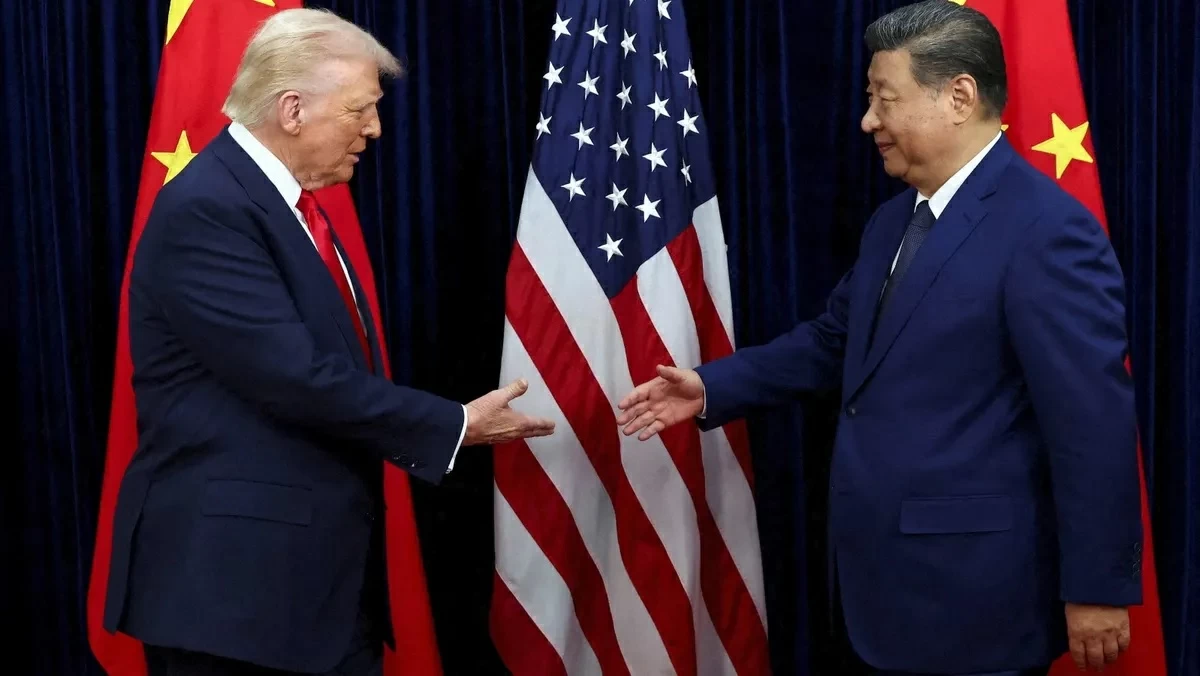
تتجه الأنظار إلى بكين، يومي الأربعاء والخميس، لمتابعة القمة المرتقبة بين الرئيسين الأمريكي دونالد ترمب والصيني شي جين بينج، والتي تخيم عليها تطورات وتداعيات حرب إيران، وسط رهانات متزايدة على دور صيني محتمل في احتواء التصعيد وإنهاء الصراع.
المساعدة في التوصل إلى اتفاق
وذكرت صحيفة «وول ستريت جورنال»، أن ترمب يسعى خلال القمة التي طال انتظارها، إلى إنهاء هذه الحرب التي تستنزف نفوذه داخلياً وتضغط على الاقتصاد العالمي.
ونقلت عن مسؤولين أمريكيين قولهم: إن ترمب يصل إلى بكين عازماً على الضغط على الصين، التي تعتمد على إيران للحصول على النفط بأسعار منخفضة ضمن علاقة قائمة على المصالح المتبادلة، من أجل المساعدة في التوصل إلى اتفاق ينهي الصراع.
ولفتت إلى أن الرئيس الصيني يرغب أيضاً في وقف القتال، إذ إن اضطرابات الشرق الأوسط تقيّد إمدادات النفط إلى بلاده، وتقلّص قدرة الدول على شراء السلع الصينية. واعتبر محللون ومسؤولون أمريكيون، أن التوصل إلى تسوية قد يعزز مكانة شي باعتباره رجل دولة عالمي تدخّل في اللحظة الحاسمة للحيلولة دون تصعيد عسكري أوسع.
وبحسب الصحيفة، فإن الرئيسين يدخلان القمة الحاسمة ولكل منهما أهدافه الخاصة المرتبطة بإيران، فيما تبدو بكين «حريصة بشكل خاص على ضمان بقاء النظام الإيراني الحالي واستعادته لعافيته».
إنشاء مجلس تجاري «أمريكي - صيني»
ووفق مسؤول أمريكي رفيع، فإن المناقشات ستركز بشكل كبير على قضايا التجارة، خصوصا مشتريات الصين من المنتجات الزراعية الأمريكية ومنتجات الطاقة وتقنيات الطيران، مثل طائرات بوينج. ويناقش الزعيمان إنشاء مجلس تجاري «أمريكي - صيني» لبحث سبل تبادل السلع غير المرتبطة بالأمن القومي.
وأضاف أن واشنطن لا تتوقع أن تعرض الصين حزمة استثمارية كبرى للتصنيع داخل الولايات المتحدة. ومع ذلك، من المرجح أن يناقش الجانبان إنشاء مجلس استثمار «أمريكي- صيني» يسمح للحكومتين بدراسة خطط الاستثمار المستقبلية، دون أن يتداخل ذلك مع هيئات مراجعة الاستثمارات الأمريكية القائمة، مثل لجنة الاستثمار الأجنبي في الولايات المتحدة.
وكشفت «وول ستريت جورنال»، العلاقات ليست مثالية بالكامل، إذ رفضت الصين منح تأشيرات دخول لبعض المسؤولين الأمريكيين قبل زيارة ترمب، وهي خطوة نادراً ما تقدم عليها بكين، كما تأتي القمة في ظل تشديد متزايد على وصول وسائل الإعلام، حيث يواجه صحفيون أمريكيون صعوبات متزايدة في الحصول على تأشيرات دخول إلى الصين.
علاقات بكين بروسيا وإيران
وتوقع مسؤول أمريكي أن يثير ترمب مسألة الدعم المالي الذي تقدمه بكين لكل من إيران وروسيا، إضافة إلى صادرات الأسلحة المحتملة إلى البلدين، كما فعل في لقاءات سابقة.
ورغم تطلع شي إلى تسوية الأزمة الإيرانية، فإنه يختلف مع ترمب بشأن الكيفية التي ينبغي أن تنتهي بها الحرب. وكانت الصين استضافت وزير خارجية إيران عباس عراقجي الأسبوع الماضي، في خطوة اعتُبرت على نطاق واسع محاولة لإبراز العلاقات بين بكين وطهران قبيل القمة المرتقبة.
توترات بين بكين وطهران
ولفتت الصحيفة إلى وجود توترات في العلاقات بين بكين وطهران. إذ قال مسؤولون أمريكيون، إن إيران استهدفت ناقلة نفط مملوكة لشركة صينية في مضيق هرمز، ما أدى إلى اندلاع حريق في السفينة. وأعربت بكين عن قلقها العميق حيال الحادث، بينما استغل مسؤولو إدارة ترمب الواقعة لانتقاد النظام الإيراني.
وأضافت الصحيفة، أن الصعوبات التي يواجهها ترمب في إنهاء الحرب وفق شروطه دفعته إلى طلب دعم نظيره الصيني. لكن المحللين يرون أن الرئيس الأمريكي ينبغي ألا يتوقع الكثير من بكين بشأن إيران، لأن الإستراتيجية الصينية تقوم على الظهور بمظهر الطرف المفيد في الصراع، مع تجنب التورط المكلف في شؤون الشرق الأوسط.
لا تغيير في الموقف تجاه تايوان
وفي ملف تايوان، أفاد مسؤولون أمريكيون، بأن قضية الجزيرة التي تتمتع بالحكم الذاتي، ومطالبات الصين بشأنها، لم تُطرح خلال آخر لقاء بين ترمب وشي في كوريا الجنوبية. لكن مساعدي الرئيس الأمريكي يعتقدون أن الملف سيُناقش هذه المرة، رغم أن واشنطن أوضحت أن ترمب لا يرغب في عرقلة المفاوضات بنقاشات مرتبطة بتايوان، بحسب أحد المستشارين المطلعين على شؤون البيت الأبيض.
وأكد مسؤولون كبار في الإدارة الأمريكية، أن تحضيرات ترمب لقمة بكين «لم تتضمن أي خطط لتغيير موقف الولايات المتحدة تجاه تايوان».
All eyes are on Beijing on Wednesday and Thursday to follow the anticipated summit between U.S. President Donald Trump and Chinese President Xi Jinping, overshadowed by developments and repercussions of the Iran war, amid increasing bets on a potential Chinese role in containing the escalation and ending the conflict.
Assisting in Reaching an Agreement
The Wall Street Journal reported that Trump is seeking during the long-awaited summit to end this war that is draining his influence domestically and putting pressure on the global economy.
It quoted U.S. officials as saying that Trump arrives in Beijing determined to pressure China, which relies on Iran for low-priced oil within a relationship based on mutual interests, to help reach an agreement that ends the conflict.
It noted that the Chinese president also wants to stop the fighting, as Middle Eastern turmoil constrains oil supplies to his country and reduces the ability of nations to purchase Chinese goods. Analysts and U.S. officials believe that reaching a settlement could enhance Xi's status as a global statesman who intervened at a critical moment to prevent wider military escalation.
According to the newspaper, the two presidents enter the crucial summit with their own specific goals related to Iran, while Beijing appears "particularly eager to ensure the survival of the current Iranian regime and its recovery."
Establishing a U.S.-China Trade Council
According to a senior U.S. official, discussions will focus heavily on trade issues, particularly China's purchases of U.S. agricultural products, energy products, and aviation technologies, such as Boeing aircraft. The two leaders are discussing the establishment of a U.S.-China Trade Council to explore ways to exchange goods not related to national security.
He added that Washington does not expect China to offer a major investment package for manufacturing within the United States. However, the two sides are likely to discuss the creation of a U.S.-China Investment Council that would allow the governments to review future investment plans without overlapping with existing U.S. investment review bodies, such as the Committee on Foreign Investment in the United States.
The Wall Street Journal revealed that relations are not entirely ideal, as China refused to grant entry visas to some U.S. officials before Trump's visit, a step rarely taken by Beijing. The summit also comes amid increasing restrictions on media access, as American journalists face growing difficulties in obtaining entry visas to China.
Beijing's Relations with Russia and Iran
A U.S. official predicted that Trump would raise the issue of the financial support that Beijing provides to both Iran and Russia, in addition to potential arms exports to the two countries, as he has done in previous meetings.
Despite Xi's desire for a resolution to the Iranian crisis, he disagrees with Trump on how the war should end. China hosted Iranian Foreign Minister Abbas Araghchi last week, in a move widely seen as an attempt to highlight relations between Beijing and Tehran ahead of the upcoming summit.
Tensions Between Beijing and Tehran
The newspaper noted that there are tensions in the relations between Beijing and Tehran. U.S. officials stated that Iran targeted a tanker owned by a Chinese company in the Strait of Hormuz, leading to a fire on the ship. Beijing expressed deep concern about the incident, while Trump administration officials seized the opportunity to criticize the Iranian regime.
The newspaper added that Trump's difficulties in ending the war on his terms have led him to seek support from his Chinese counterpart. However, analysts believe that the U.S. president should not expect much from Beijing regarding Iran, as the Chinese strategy is to appear as a helpful party in the conflict while avoiding costly involvement in Middle Eastern affairs.
No Change in Stance on Taiwan
Regarding Taiwan, U.S. officials reported that the issue of the self-governing island and China's claims over it was not raised during the last meeting between Trump and Xi in South Korea. However, aides to the U.S. president believe that the issue will be discussed this time, even though Washington has made it clear that Trump does not wish to disrupt negotiations with discussions related to Taiwan, according to one advisor familiar with White House affairs.
Senior officials in the U.S. administration confirmed that Trump's preparations for the Beijing summit "did not include any plans to change the United States' position on Taiwan."