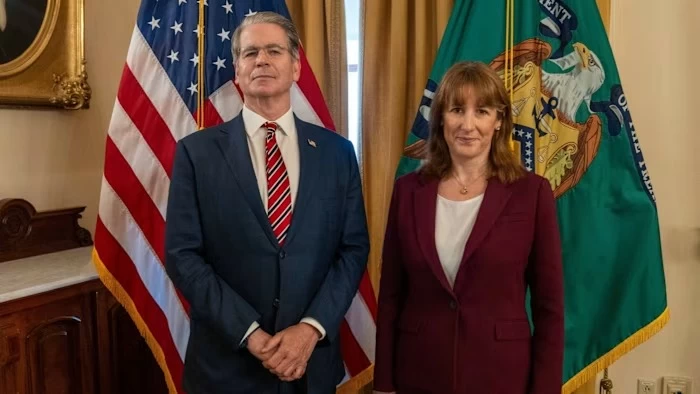
وقعت مشادة حادة بين وزير الخزانة الأمريكي سكوت بيسنت ووزيرة المالية البريطانية راشيل ريفز خلال اجتماعات الربيع لصندوق النقد الدولي في واشنطن الشهر الماضي، على خلفية انتقادات بريطانية صريحة للحرب على إيران، بحسب صحيفة فايننشال تايمز.
وكشفت مصادر مطلعة، أنه اندلع الخلاف بعد مقابلة أجرتها ريفز مع قناة CNBC في 15 أبريل، شككت خلالها في أهداف الحرب، معتبرة أنها لم تكن واضحة منذ البداية، وأعربت عن عدم اقتناعها بأن العالم أصبح أكثر أماناً مقارنة بما كان عليه قبل أسابيع.
هذه التصريحات أثارت غضب بيسنت، الذي واجه ريفز لاحقاً في اجتماع مباشر، حيث انتقدها بشدة، مؤكداً أن الحرب الأمريكية-الإسرائيلية ضد إيران ساهمت في تعزيز الأمن العالمي، بل وحذّر من سيناريوهات خطيرة، من بينها احتمال تعرض لندن لهجوم نووي من طهران.
وردّت ريفز بانفعال، مؤكدة أنها لا تعمل تحت إمرته، ومعربة عن استيائها من أسلوب حديثه، كما تمسكت بموقفها بأن الحرب تفتقر إلى أهداف واضحة ولم تثبت أنها جعلت العالم أكثر أمناً.
وكان بيسنت قد صرّح في وقت سابق لوسائل إعلام بريطانية بأن الحرب تستحق قدراً بسيطاً من الألم الاقتصادي، متسائلاً عن حجم الخسائر التي قد يتكبدها الاقتصاد العالمي إذا تعرضت لندن لهجوم نووي.
ورغم حدة الخلاف، أكدت مصادر رسمية أن العلاقات بين الجانبين لا تزال قوية، وأن المسؤولين واصلوا التنسيق في ملفات أخرى، كما أجرى الوزيران اتصالات لاحقة عقب الواقعة.
ويعكس هذا التوتر تبايناً واضحاً في المواقف بين واشنطن ولندن بشأن الحرب، إذ دفعت التداعيات الاقتصادية الحكومة البريطانية إلى تبني موقف أكثر ميلاً لخفض التصعيد، خصوصا في ظل تأثير ارتفاع أسعار الطاقة على الاقتصاد المحلي.
وفي هذا السياق، خفّض صندوق النقد الدولي توقعاته لنمو الاقتصاد البريطاني بأكثر من أي دولة أخرى في مجموعة السبع، مشيراً إلى الضغوط الكبيرة الناتجة عن ارتفاع تكاليف الطاقة.
كما حذّر بنك إنجلترا في أحدث تقاريره من أن استمرار الأزمة قد يدفعه إلى تشديد السياسة النقدية بشكل حاد لمواجهة مخاطر التضخم.
وكانت ريفز قد صعّدت انتقاداتها قبل توجهها إلى واشنطن، ووصفت الحرب في مقابلة صحفية بأنها "حماقة" تضر بالأسر والمستهلكين، مشيرة إلى غياب خطة خروج واضحة أو أهداف محددة.
وفي خطوة تعكس الموقف البريطاني، انضمت ريفز إلى 10 وزراء مالية آخرين للمطالبة بحل تفاوضي سريع ودائم للنزاع، في بيان مشترك صدر مع انطلاق اجتماعات صندوق النقد والبنك الدولي.
وتتوافق هذه المواقف مع اتجاهات الرأي العام في بريطانيا، حيث أظهرت استطلاعات أن 65% من المواطنين يعارضون الحرب، مقابل 16% فقط يؤيدونها.
يُذكر أن الاجتماع الذي شهد المشادة حضره مسؤولون من وزارتي الخزانة في البلدين، إضافة إلى ممثلين عن السفارة البريطانية، فيما امتنعت وزارتا الخزانة الأمريكية والبريطانية التعليق على الواقعة.
A heated argument took place between U.S. Treasury Secretary Scott Pisent and U.K. Finance Minister Rachel Reeves during the spring meetings of the International Monetary Fund in Washington last month, following explicit British criticisms of the war on Iran, according to the Financial Times.
Informed sources revealed that the dispute erupted after an interview Reeves conducted with CNBC on April 15, during which she questioned the objectives of the war, considering them unclear from the outset, and expressed her disbelief that the world had become safer compared to what it was weeks ago.
These statements angered Pisent, who confronted Reeves later in a live meeting, where he criticized her sharply, asserting that the U.S.-Israeli war against Iran had contributed to enhancing global security, and even warned of dangerous scenarios, including the possibility of London facing a nuclear attack from Tehran.
Reeves responded emotionally, asserting that she does not work under his command, and expressed her dissatisfaction with his manner of speaking, while maintaining her position that the war lacks clear objectives and has not proven to make the world safer.
Pisent had previously stated to British media that the war deserves a small amount of economic pain, questioning the extent of the losses the global economy might incur if London were to face a nuclear attack.
Despite the intensity of the disagreement, official sources confirmed that relations between the two sides remain strong, and that officials continued to coordinate on other issues, with both ministers having subsequent communications following the incident.
This tension reflects a clear divergence in positions between Washington and London regarding the war, as the economic repercussions have pushed the British government to adopt a more de-escalatory stance, especially given the impact of rising energy prices on the domestic economy.
In this context, the International Monetary Fund has lowered its growth forecasts for the British economy more than for any other country in the G7, citing the significant pressures resulting from rising energy costs.
The Bank of England also warned in its latest reports that the ongoing crisis could compel it to tighten monetary policy sharply to address inflation risks.
Reeves had intensified her criticisms before heading to Washington, describing the war in a press interview as "foolishness" that harms families and consumers, pointing to the absence of a clear exit plan or specific objectives.
In a move reflecting the British position, Reeves joined 10 other finance ministers in calling for a swift and lasting negotiated resolution to the conflict, in a joint statement issued at the start of the IMF and World Bank meetings.
These positions align with public opinion trends in Britain, where polls have shown that 65% of citizens oppose the war, compared to only 16% who support it.
It is worth noting that the meeting where the argument occurred was attended by officials from the treasury departments of both countries, as well as representatives from the British embassy, while the U.S. and U.K. treasury departments declined to comment on the incident.