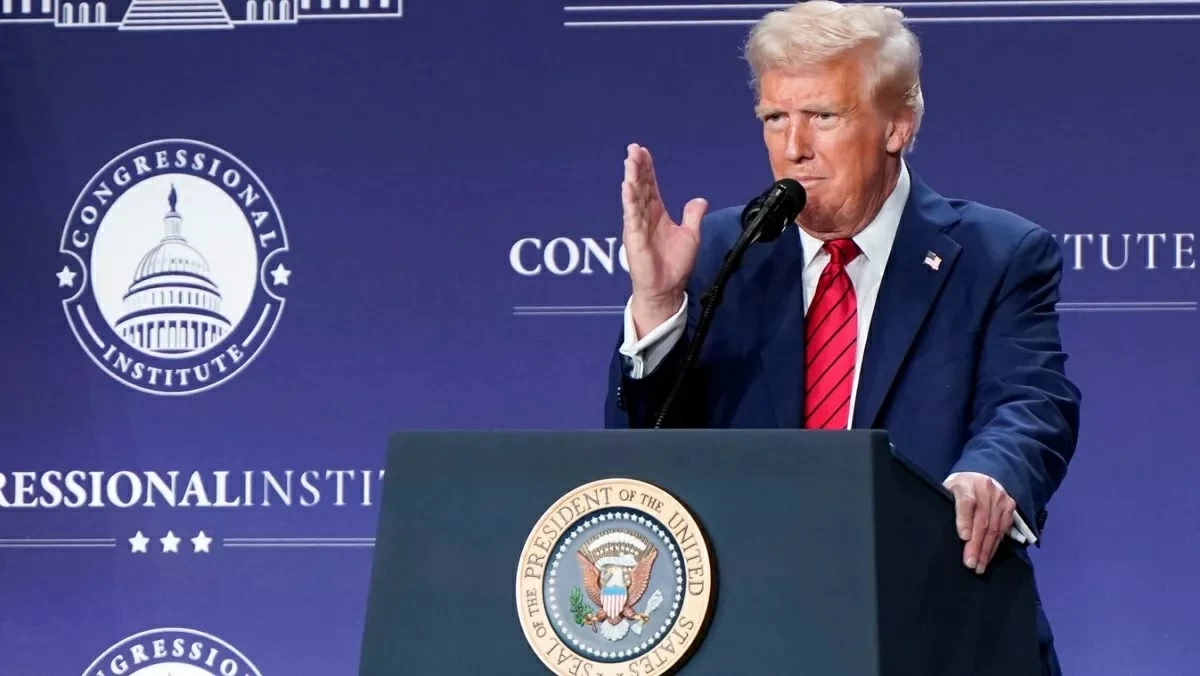
هدد الرئيس الأمريكي دونالد ترمب بتوجيه ضربة عسكرية إلى كوبا، بالتوازي مع توسيع غير مسبوق للعقوبات الاقتصادية، في خطوة تعكس تشدداً متزايداً تجاه هافانا.
وكشف ترمب، خلال خطاب أمام منتدى في بالم بيتش، اليوم (السبت)، أن البحرية الأمريكية قد تتجه لمهاجمة كوبا «في طريق العودة من إيران»، لافتاً إلى نشر حاملة الطائرات «يو إس إس أبراهام لينكولن» بالقرب من السواحل الكوبية.
وقال إن الحاملة قد ترسو على مسافة قريبة جداً من الشاطئ، في رسالة استعراض قوة، مضيفاً بشكل ساخر أن كوبا «ستقول شكراً وتستسلم».
وعل الرغم أن بعض الحاضرين اعتبروا تصريحاته تحمل طابعاً ساخراً، فإنها تعكس في الوقت ذاته تصعيداً في الخطاب الأمريكي، خصوصاً مع تكرار تهديدات سابقة بإمكانية العمل العسكري ضد الجزيرة.
وبالتزامن مع التهديدات العسكرية، وقّع ترمب أمراً تنفيذياً يقضي بتوسيع نطاق العقوبات الأمريكية على الحكومة الكوبية، مستهدفاً شخصيات وكيانات مرتبطة بالأجهزة الأمنية، إضافة إلى جهات متهمة بالفساد وانتهاكات حقوق الإنسان.
وتمتد العقوبات لتشمل قطاعات حيوية مثل الطاقة والدفاع والخدمات المالية والتعدين، مع إمكانية فرض عقوبات ثانوية على أي جهة تتعامل مع الأطراف المستهدفة، ما يزيد من عزلة الاقتصاد الكوبي.
وتأتي هذه الخطوة ضمن حملة ضغط مستمرة تهدف إلى إجبار الحكومة الكوبية على تنفيذ إصلاحات سياسية، أو حتى تغيير بنية السلطة.
وأثارت هذه التحركات تكهنات بشأن احتمال لجوء الولايات المتحدة إلى عمل عسكري للإطاحة بالنظام الشيوعي في كوبا، خصوصاً بعد أن أمر ترمب بالقبض على الرئيس الفنزويلي نيكولاس مادورو وشنّ ضربات جوية جديدة على إيران.
وقال ترمب في مارس إن الولايات المتحدة تتحدث مع الجزيرة، «لكننا سننتهي من إيران قبل كوبا».
من جانبها، رفضت القيادة الكوبية الإجراءات الأمريكية، ووصف الرئيس ميغيل دياز كانل العقوبات بأنها قسرية وتعزز الحصار الوحشي، على حد تعبيره.
فيما أكد وزير الخارجية برونو رودريغيز أن هذه الإجراءات تمثل عقاباً جماعياً للشعب الكوبي، مشدداً على أن بلاده لن تخضع للضغوط.
يذكر أن كوبا تعاني من أزمة اقتصادية خانقة، شملت انقطاعات واسعة في الكهرباء ونقصاً في الوقود، نتيجة تشديد الحصار وتراجع الإمدادات بعد اعتقال الرئيس الفنزويلي مادورو والسيطرة الأمريكية على النفط.
U.S. President Donald Trump threatened to launch a military strike against Cuba, alongside an unprecedented expansion of economic sanctions, in a move that reflects an increasing hardline stance towards Havana.
Trump revealed during a speech at a forum in Palm Beach today (Saturday) that the U.S. Navy might attack Cuba "on the way back from Iran," pointing to the deployment of the aircraft carrier "USS Abraham Lincoln" near the Cuban coast.
He stated that the carrier could anchor very close to the shore, in a show of force, adding sarcastically that Cuba "will say thank you and surrender."
Although some attendees considered his remarks to be sarcastic, they simultaneously reflect an escalation in American rhetoric, especially with the repeated threats of potential military action against the island.
In conjunction with the military threats, Trump signed an executive order to expand the scope of U.S. sanctions on the Cuban government, targeting individuals and entities linked to security agencies, as well as those accused of corruption and human rights violations.
The sanctions extend to vital sectors such as energy, defense, financial services, and mining, with the possibility of imposing secondary sanctions on any entity that deals with the targeted parties, further isolating the Cuban economy.
This step is part of a continuous pressure campaign aimed at forcing the Cuban government to implement political reforms or even change the power structure.
These moves have sparked speculation about the possibility of the United States resorting to military action to overthrow the communist regime in Cuba, especially after Trump ordered the arrest of Venezuelan President Nicolás Maduro and launched new airstrikes on Iran.
Trump stated in March that the United States is talking to the island, "but we will finish with Iran before Cuba."
For its part, the Cuban leadership rejected the U.S. actions, with President Miguel Díaz-Canel describing the sanctions as coercive and reinforcing the brutal blockade, as he put it.
Foreign Minister Bruno Rodríguez emphasized that these measures represent collective punishment for the Cuban people, stressing that his country will not succumb to pressure.
It is worth noting that Cuba is suffering from a severe economic crisis, which has included widespread power outages and fuel shortages, due to the tightening of the blockade and a decline in supplies following the arrest of President Maduro and U.S. control over oil.