كشفت وسائل إعلام أمريكية اليوم (الخميس) عن سيطرة جنرالات الحرس الثوري على القرارات الحاسمة في إيران بعد تعيين مجتبى خامنئي مرشداً جديداً للبلاد.
وذكرت صحيفة «نيويورك تايمز» أن إيران دخلت مرحلة جديدة في هيكل السلطة عقب تعيين مجتبى وباتت القرارات الحاسمة المتعلقة بمسائل الأمن والحرب والدبلوماسية تُدار فعلياً من قبل نخبة من قادة الحرس الثوري، في ظل تراجع الدور التنفيذي المباشر للمرشد الجديد مقارنة بسلفه.
مجتبى شخصية غامضة
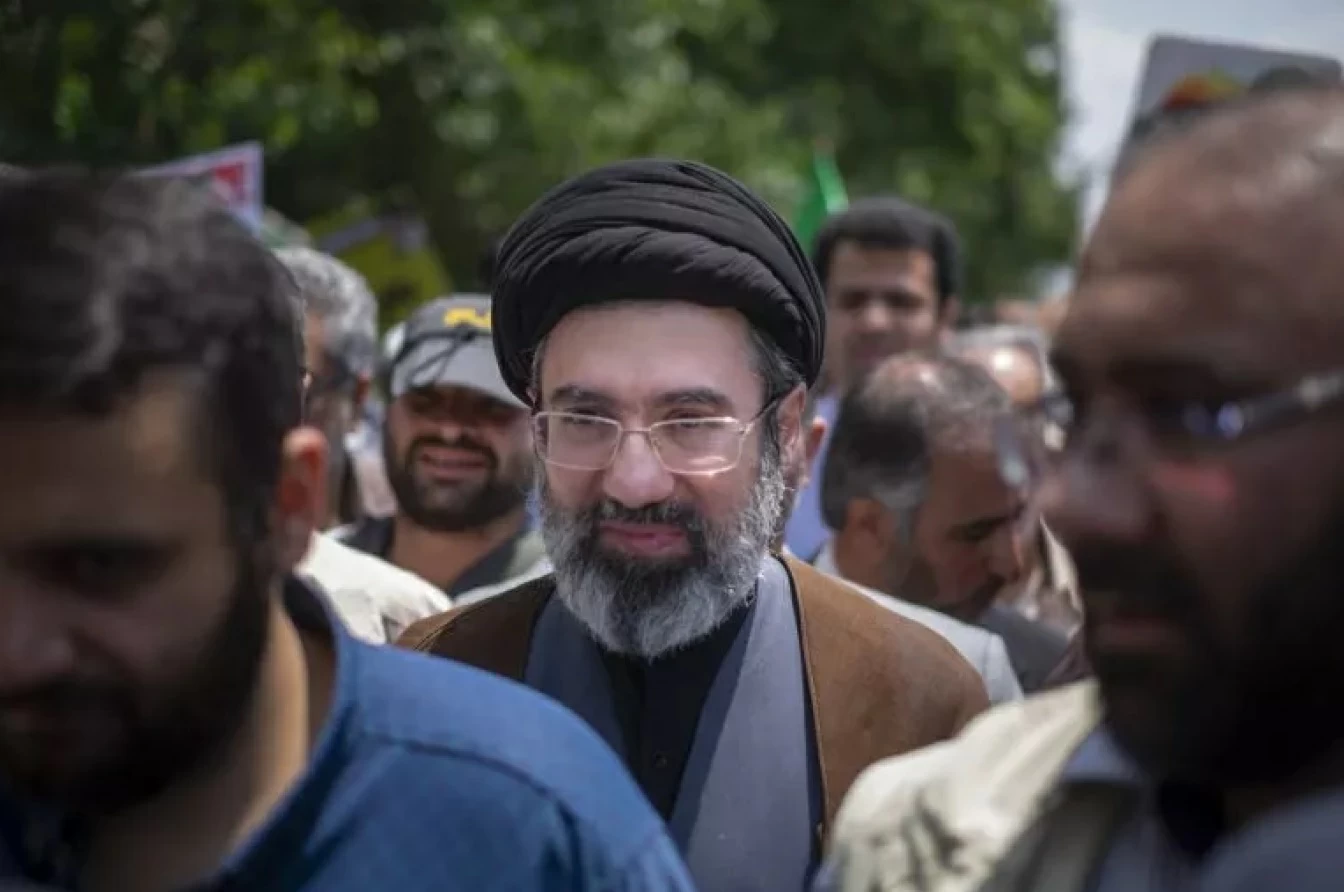
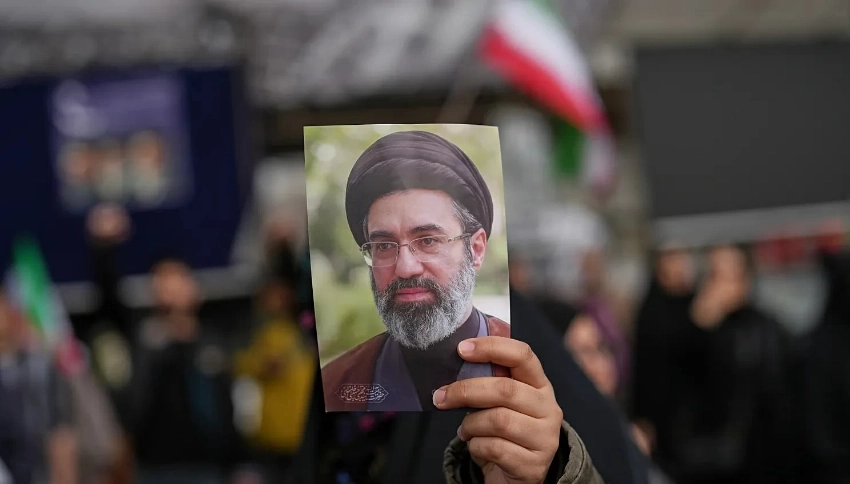
وأوضحت الصحيفة أن المرشد الراحل علي خامنئي، كان يمسك بزمام السلطة المطلقة فيما يتعلق بقرارات الحرب والسلام والمفاوضات مع الولايات المتحدة خلال فترة قيادته، إلا أن ابنه وخليفته لا يؤدي الدور نفسه، واصفة مجتبى بـ«الشخصية الغامضة» الذي لم تظهر علناً ولم يُسمع صوته منذ تعيينه في مارس الماضي.
مجتبى خامنئي مجرد صورة.
وذكرت الصحيفة أن مجموعة من القادة المخضرمين في الحرس الثوري الإيراني، إلى جانب شخصيات متحالفة معهم، أصبحوا صنَّاع القرار الفعليين في مسائل الأمن والحرب والدبلوماسية.
ونقلت الصحيفة عن السياسي عبد الرضا داوري، الذي شغل منصب كبير مستشاري الرئيس الإيراني السابق محمود أحمدي نجاد، قوله إن «مجتبى يدير البلاد كما لو كان رئيس مجلس إدارة»، مضيفاً: «يعتمد بدرجة كبيرة على نصائح وتوجيهات أعضاء هذا المجلس، ويتم اتخاذ القرارات بشكل جماعي والجنرالات هم أعضاء هذا المجلس».
مجلس إدارة إيران
وأوضحت الصحيفة، أن هذا التوصيف لهيكل السلطة الجديدة في إيران، يستند إلى مقابلات مع ستة مسؤولين إيرانيين كبار، ومسؤولين سابقين، وعضوين في الحرس الثوري، ورجل دين مطلع على كواليس النظام، إضافة إلى ثلاثة أشخاص مقربين من مجتبى خامنئي، فضلًا عن 9 آخرين لهم صلات بالحرس الثوري والحكومة، جميعهم تحدثوا شريطة عدم كشف هوياتهم.
وأشارت الصحيفة إلى أن نجل المرشد الراحل، الذي اختير من قبل مجلس من كبار رجال الدين، توارى عن الأنظار منذ أن قصفت القوات الأمريكية والإسرائيلية مقر والده في 28 فبراير الماضي، حيث كان يُقيم مع عائلته، وأسفر القصف عن اغتيال والده وزوجته وابنه، وأصبح الوصول إليه بالغ الصعوبة ومحدوداً للغاية، إذ يخضع حالياً للعلاج من إصابات لحقت به جراء الغارات.
من يعالج مجتبى؟
وكشفت الصحيفة أن كبار قادة الحرس الثوري، والمسؤولين الحكوميين يمتنعون عن زيارته خشية أن تتعقبهم إسرائيل وتصل إليه، فيما يشارك الرئيس الإيراني مسعود بيزشكيان، وهو جرَّاح قلب، ووزير سابق للصحة، في متابعة حالته الصحية.
ونقلت صحيفة «نيويورك تايمز» عن أربعة مسؤولين إيرانيين كبار مطلعين على وضعه الصحي قولهم: «مجتبى، رغم إصاباته البالغة، لا يزال يتمتع بذهن حاضر ويواصل المتابعة، إذ خضع لثلاث عمليات جراحية في ساقه، وينتظر تركيب طرف صناعي، كما أُجريت له جراحة في إحدى يديه ويستعيد وظائفها تدريجياً»، موضحين بأن «وجهه وشفتيه تعرّضا لحروق شديدة، ما يصعّب عليه التحدث»، وأن «سيحتاج لاحقاً إلى جراحة تجميلية».
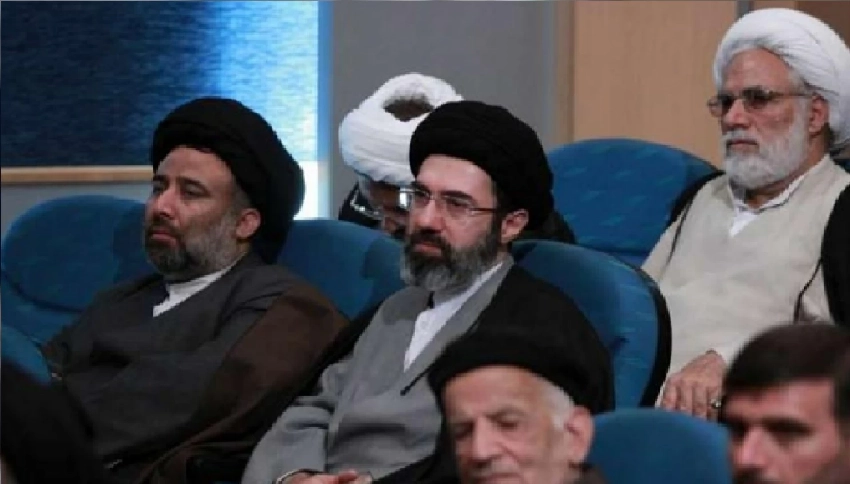
مجتبى وسط مجموعة من القادة الإيرانيين.
وأفاد المسؤولون أن خامنئي لم يسجّل أي رسالة مصورة أو صوتية، تجنباً للظهور بمظهر الضعف في أول خطاب علني له، مكتفياً بإصدار بيانات مكتوبة تُنشر عبر الإنترنت وتُبث على التلفزيون الرسمي، مؤكدين أن الرسائل الموجهة إليه تُكتب بخط اليد وتُوضع في مظاريف مغلقة، وتُنقل عبر سلسلة وسطاء موثوقين يتنقلون عبر الطرق السريعة والفرعية باستخدام سيارات ودراجات نارية حتى تصل إلى مكان اختبائه، فيما تعود توجيهاته بالطريقة نفسها.
تفاويض خامنئي الابن
وأفصحت الصحيفة أن المخاوف المتعلقة بسلامته، إلى جانب إصاباته وصعوبة الوصول إليه، دفعت خامنئي إلى تفويض صلاحيات اتخاذ القرار للجنرالات، على الأقل في الوقت الراهن.
في المقابل، قال الرئيس الأمريكي دونالد ترمب لشبكة «إم إس ناو»: الحملة العسكرية الأمريكية والإسرائيلية على إيران جعلت النظام في حالة فوضى، مضيفاً: القيادة في إيران باتت غير واضحة بعد أن أزحنا 3 مستويات قيادية وكل من كان قريبا منها.
وأشار إلى ان «إيران لم تعد المتنمر في الشرق الأوسط ولا أحد يريد مساعدتها لأنها لم تعد تمتلك عامل الردع».
رسوم إيرانية على السفن في "هرمز"
من جهة أخرى، نقلت وكالة فارس عن البنك المركزي الإيراني أن رسوم عبور مضيق هرمز تُؤخذ فقط من السفن التي تحصل على إذن عبور، مبيناً أن عائدات رسوم عبور السفن لمضيق هرمز مقابل خدمات الأمن ستُسلَّم نقداً.
وأشار إلى أن الرسوم المفروضة على السفن تختلف حسب نوع البضائع وكميتها ونسبة المخاطرة.
American media revealed today (Thursday) that the generals of the Revolutionary Guard have taken control of critical decisions in Iran following the appointment of Mojtaba Khamenei as the new leader of the country.
The New York Times reported that Iran has entered a new phase in its power structure following Mojtaba's appointment, and that critical decisions related to security, war, and diplomacy are effectively managed by a select group of Revolutionary Guard leaders, amid a decline in the direct executive role of the new leader compared to his predecessor.
Mojtaba: A Mysterious Figure
The newspaper explained that the late leader Ali Khamenei held absolute power regarding decisions on war, peace, and negotiations with the United States during his leadership, but his son and successor does not play the same role, describing Mojtaba as a "mysterious figure" who has not appeared publicly or been heard from since his appointment in March.
مجتبى خامنئي مجرد صورة.
The newspaper mentioned that a group of veteran leaders in the Iranian Revolutionary Guard, along with allied figures, have become the actual decision-makers in matters of security, war, and diplomacy.
The newspaper quoted politician Abd al-Ridha Davari, who served as a senior advisor to former Iranian President Mahmoud Ahmadinejad, saying that "Mojtaba runs the country as if he were the chairman of a board," adding: "He relies heavily on the advice and guidance of the members of this board, and decisions are made collectively with the generals being members of this board."
The Board of Directors of Iran
The newspaper clarified that this description of the new power structure in Iran is based on interviews with six senior Iranian officials, former officials, two members of the Revolutionary Guard, a cleric familiar with the inner workings of the regime, in addition to three individuals close to Mojtaba Khamenei, as well as nine others with connections to the Revolutionary Guard and the government, all of whom spoke on the condition of anonymity.
The newspaper noted that the son of the late leader, who was chosen by a council of senior clerics, has been out of sight since U.S. and Israeli forces bombed his father's headquarters on February 28, where he was staying with his family. The bombing resulted in the assassination of his father, wife, and son, and access to him has become extremely difficult and limited, as he is currently undergoing treatment for injuries sustained in the raids.
Who is Treating Mojtaba?
The newspaper revealed that senior Revolutionary Guard leaders and government officials refrain from visiting him for fear that Israel might track them down and reach him, while Iranian President Masoud Pezeshkian, a heart surgeon and former health minister, is involved in monitoring his health condition.
The New York Times quoted four senior Iranian officials familiar with his health status saying: "Mojtaba, despite his severe injuries, still has a sharp mind and continues to follow up, as he has undergone three surgeries on his leg and is awaiting a prosthetic limb, and he has also had surgery on one of his hands and is gradually regaining its functions," explaining that "his face and lips suffered severe burns, making it difficult for him to speak," and that "he will later need cosmetic surgery."
مجتبى وسط مجموعة من القادة الإيرانيين.
Officials reported that Khamenei has not recorded any video or audio messages, avoiding appearing weak in his first public speech, limiting himself to issuing written statements published online and broadcast on state television, confirming that messages directed to him are handwritten and placed in sealed envelopes, conveyed through a chain of trusted intermediaries who travel via highways and back roads using cars and motorcycles until they reach his hiding place, while his directives return in the same manner.
Delegation of Khamenei's Powers
The newspaper disclosed that concerns about his safety, along with his injuries and difficulty in accessing him, have led Khamenei to delegate decision-making powers to the generals, at least for the time being.
In contrast, U.S. President Donald Trump told MSNBC: "The American and Israeli military campaign against Iran has thrown the regime into chaos," adding: "Leadership in Iran has become unclear after we removed three levels of leadership and everyone close to them."
He pointed out that "Iran is no longer the bully in the Middle East and no one wants to help it because it no longer possesses a deterrent factor."
Iranian Fees on Ships in "Hormuz"
On another note, the Fars news agency reported from the Iranian Central Bank that transit fees for the Strait of Hormuz are only charged to ships that obtain transit permission, indicating that the revenues from the transit fees for ships through the Strait of Hormuz for security services will be delivered in cash.
It noted that the fees imposed on ships vary according to the type of goods, their quantity, and the level of risk.