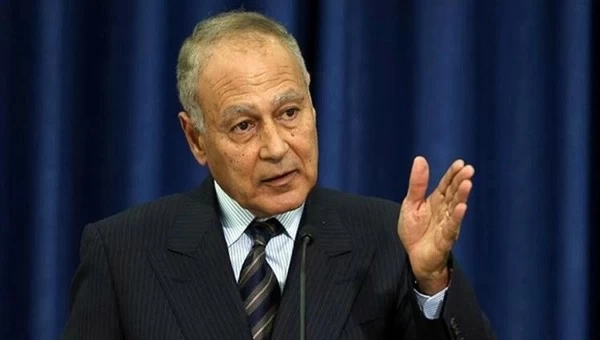
أكد الأمين العام لجامعة الدول العربية أحمد أبو الغيط أن تصورات إيران عن التحكم في الخليج العربي ومضيق هرمز باطلة قانونياً، ولا تستند إلى حجة أو مسوغ، ومرفوضة جملة وتفصيلاً.
جاء ذلك في كلمة أبو الغيط خلال اجتماع مجلس الجامعة العربية على المستوى الوزاري بدورته غير العادية الذي عُقد -عبر الاتصال المرئي- اليوم برئاسة وزير الخارجية البحريني؛ لمناقشة الهجمات الإيرانية غير المشروعة ضد الدول العربية والتزامات إيران المترتبة بموجب القانون الدولي.
وقال أبو الغيط: «نجتمع اليوم ليس فقط لنُدين مجدداً الهجمات الإيرانية الآثمة على عدد من الدول العربية، إنما لنطالب المجتمع الدولي بتحميل المعتدي كامل المسؤولية عن اعتداءاته غير القانونية وغير المبررة وغير المقبولة على عدد من الدول العربية».
وأبان الأمين العام أن إيران لم تمتثل لقرار مجلس الأمن 2817 الصادر في 11 مارس الماضي، ولم تعترف بأن اعتداءاتها على الدول العربية في الخليج والأردن والعراق مثَّلت خرقاً جسيماً للقانون الدولي، وانتهاكاً مرفوضاً لسيادة الدول، وتجاوزاً صارخاً لكل معاني حُسن الجوار.
وطالب أبو الغيط إيران بالامتثال فوراً لقرار مجلس الأمن المذكور وبتحمل المسؤولية كاملةً عما تسببت فيه هذه الهجمات غير المشروعة من أضرار وخسائر، بما يقتضي التعويض وجبر الضرر بحسب ما ينص عليه القانون الدولي في هذه الحالات.
وشدد أبو الغيط على أن الدول العربية لم ولن تكون رهينة في يد إيران لتصفية الحسابات، مبيناً أن حرية الملاحة في المضايق والممرات الدولية ومنها مضيق هرمز أمرٌ كفله القانون الدولي، ولا يمكن لإيران أن تنتزع لنفسها حق التحكم في «هرمز» لأنها لا تملكه، وكل ما تفرضه من إجراءات لتقييد حرية الملاحة أو فرض قواعد تمييزية للمرور ليس له سندٌ في القانون أو العرف المستقر.
وقال أبو الغيط: «الجامعة العربية تعد الاعتداء على أي دولة عربية أو ممارسة التهديد اعتداءً على الدول العربية جميعاً، وجميعنا يقف صفاً واحداً في التضامن مع الدول التي تعرضت للهجمات الآثمة، وفي تقديم التقدير والتحية للقيادات والشعوب التي أظهرت صموداً وبسالة في مواجهة اعتداء لم يلتزم -للأسف- بأبسط أخلاقيات الحرب، فوجَّه نيرانه للمدنيين وللمنشآت المدنية بلا تمييز أو وازع من ضمير أو أخلاق».
وشدد الأمين العام للجامعة العربية على أن هذه الاعتداءات الغاشمة سوف تنتهي وستخرج الدول العربية من هذه الأزمة -بإذن الله- أكثر قوة وأشد ترابطاً وتعاضداً.
The Secretary-General of the Arab League, Ahmed Aboul Gheit, confirmed that Iran's perceptions of controlling the Arabian Gulf and the Strait of Hormuz are legally invalid, lacking any argument or justification, and are categorically rejected.
This came in Aboul Gheit's speech during the extraordinary ministerial session of the Arab League Council, which was held - via video conference - today, chaired by the Bahraini Foreign Minister, to discuss the illegal Iranian attacks against Arab countries and Iran's obligations under international law.
Aboul Gheit said: "We meet today not only to once again condemn the Iranian criminal attacks on several Arab countries, but also to demand that the international community hold the aggressor fully accountable for its illegal, unjustified, and unacceptable attacks on several Arab countries."
The Secretary-General clarified that Iran has not complied with Security Council Resolution 2817 issued on March 11, and has not acknowledged that its attacks on Arab countries in the Gulf, Jordan, and Iraq represented a serious violation of international law, an unacceptable infringement on the sovereignty of states, and a blatant disregard for all meanings of good neighborliness.
Aboul Gheit called on Iran to immediately comply with the aforementioned Security Council resolution and to bear full responsibility for the damages and losses caused by these illegal attacks, which necessitate compensation and redress as stipulated by international law in such cases.
He emphasized that Arab countries will not and cannot be held hostage by Iran to settle scores, pointing out that freedom of navigation in straits and international passages, including the Strait of Hormuz, is guaranteed by international law, and Iran cannot claim the right to control "Hormuz" because it does not possess it. All measures it imposes to restrict freedom of navigation or impose discriminatory rules for passage have no basis in law or established custom.
Aboul Gheit stated: "The Arab League considers any attack on any Arab country or the practice of threats as an attack on all Arab countries, and we all stand united in solidarity with the countries that have been subjected to these criminal attacks, and in offering appreciation and tribute to the leaders and peoples who have shown resilience and bravery in the face of an aggression that unfortunately did not adhere to the simplest ethics of war, directing its fire at civilians and civilian facilities indiscriminately and without any conscience or morals."
The Secretary-General of the Arab League stressed that these brutal attacks will come to an end, and the Arab countries will emerge from this crisis - God willing - stronger and more united and cooperative.