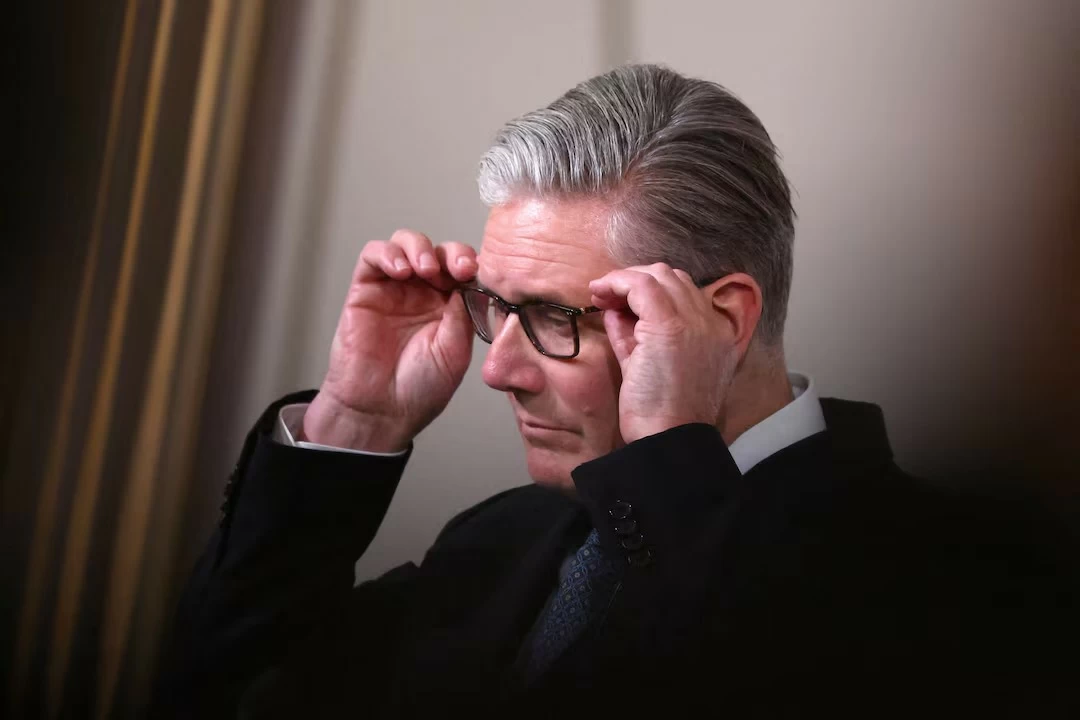
حمّل رئيس الوزراء البريطاني كير ستارمر مسؤولين في وزارة الخارجية مسؤولية أزمة تعيين بيتر ماندلسون سفيراً للولايات المتحدة، مؤكداً أنهم أخفوا معلومات حساسة كان من شأنها منع تعيينه من الأساس.
ويواجه ستارمر ضغوطاً سياسية متزايدة من خصومه للاستقالة، على خلفية هذه القضية التي أثارت جدلاً واسعاً بشأن معايير التعيين والرقابة داخل الحكومة.
معلومات محجوبة وأزمة ثقة
وأوضح ستارمر أمام البرلمان، أنه لم يكن على علم بأن جهات أمنية نصحت بعدم منح ماندلسون التصريح الأمني اللازم، معتبراً أن حجب هذه المعلومات عن كبار المسؤولين «أمر يصعب تصديقه» ولا يتماشى مع معايير الشفافية والمساءلة.
وأقرّ رئيس الوزراء البريطاني كير ستارمر بأنه «أخطأ في تقدير الأمور» عندما اختار سفيره لدى واشنطن، مؤكدًا أنه «لم يكن ليُقدم على هذا التعيين» لو كان على دراية بتلك التحذيرات.
تفاصبل الفضيحة
وكان ستارمر قد أقال ماندلسون في سبتمبر الماضي، بعد الكشف عن علاقاته الوثيقة مع رجل الأعمال الأمريكي الراحل جيفري إبستين، وهو ما أثار تساؤلات حول حكمه السياسي.
وتفاقمت الأزمة أخيرا بعد إعلان الحكومة أنها اكتشفت متأخراً فشل ماندلسون في اجتياز الفحص الأمني، رغم منحه تصريحاً يتيح له الاطلاع على معلومات بالغة السرية، فيما يُعرف بـ«التدقيق المعزز».
قرارات وإقالات
وفي تطور لافت، أقال ستارمر المسؤول البارز في وزارة الخارجية أولي روبينز، متهماً إياه بالموافقة على بيان يفيد بأن ماندلسون اجتاز الفحص الأمني.
لكن مصادر مقربة من روبنز أفادت بأنه اتبع الإجراءات المعتادة، التي تسمح لوزارة الخارجية بتجاوز توصيات وحدة التدقيق الأمني في بعض الحالات.
انتقادات سياسية وضغوط متزايدة
وتعرض ستارمر لانتقادات حادة من المعارضة، حيث اتهمته زعيمة حزب المحافظين كيمي بادينوش، بعدم تحمل المسؤولية، قائلة إنه ألقى باللوم على موظفيه بدلاً من الاعتراف بأخطائه.
كما وصف الرئيس الأمريكي دونالد ترمب عبر منصة ثروث سوشيال، التعيين بأنه «اختيار سيئ للغاية»، في تعليق زاد من حدة الجدل السياسي.
تداعيات سياسية
وتأتي هذه الأزمة في وقت تتراجع فيه شعبية ستارمر منذ فوز حزب العمال بأغلبية كبيرة في انتخابات 2024، وقبل أسابيع قليلة من انتخابات محلية يُتوقع أن يواجه فيها الحزب خسائر ملحوظة.
British Prime Minister Keir Starmer has held officials in the Foreign Office responsible for the crisis surrounding the appointment of Peter Mandelson as Ambassador to the United States, asserting that they withheld sensitive information that would have prevented his appointment in the first place.
Starmer is facing increasing political pressure from his opponents to resign, in light of this issue which has sparked widespread debate about appointment standards and oversight within the government.
Withheld Information and a Crisis of Trust
Starmer clarified before Parliament that he was unaware that security agencies had advised against granting Mandelson the necessary security clearance, considering the withholding of this information from senior officials to be "incredibly hard to believe" and inconsistent with standards of transparency and accountability.
The British Prime Minister Keir Starmer admitted that he "misjudged the situation" when he chose his ambassador to Washington, asserting that he "would not have gone ahead with this appointment" had he been aware of those warnings.
Details of the Scandal
Starmer had dismissed Mandelson last September after revelations about his close ties to the late American businessman Jeffrey Epstein, which raised questions about his political judgment.
The crisis escalated recently after the government announced that it had belatedly discovered Mandelson's failure to pass the security vetting, despite granting him a clearance that allowed him access to highly classified information, in what is known as "enhanced scrutiny."
Decisions and Dismissals
In a notable development, Starmer dismissed senior Foreign Office official Oli Robbins, accusing him of approving a statement indicating that Mandelson had passed the security vetting.
However, sources close to Robbins reported that he followed the usual procedures, which allow the Foreign Office to bypass the recommendations of the security vetting unit in certain cases.
Political Criticism and Increasing Pressure
Starmer has faced sharp criticism from the opposition, with Conservative Party leader Kemi Badenoch accusing him of failing to take responsibility, stating that he blamed his staff instead of acknowledging his own mistakes.
Former President Donald Trump described the appointment as "a very bad choice" on the Truth Social platform, a comment that intensified the political controversy.
Political Consequences
This crisis comes at a time when Starmer's popularity has been declining since the Labour Party won a significant majority in the 2024 elections, and just weeks before local elections where the party is expected to face notable losses.