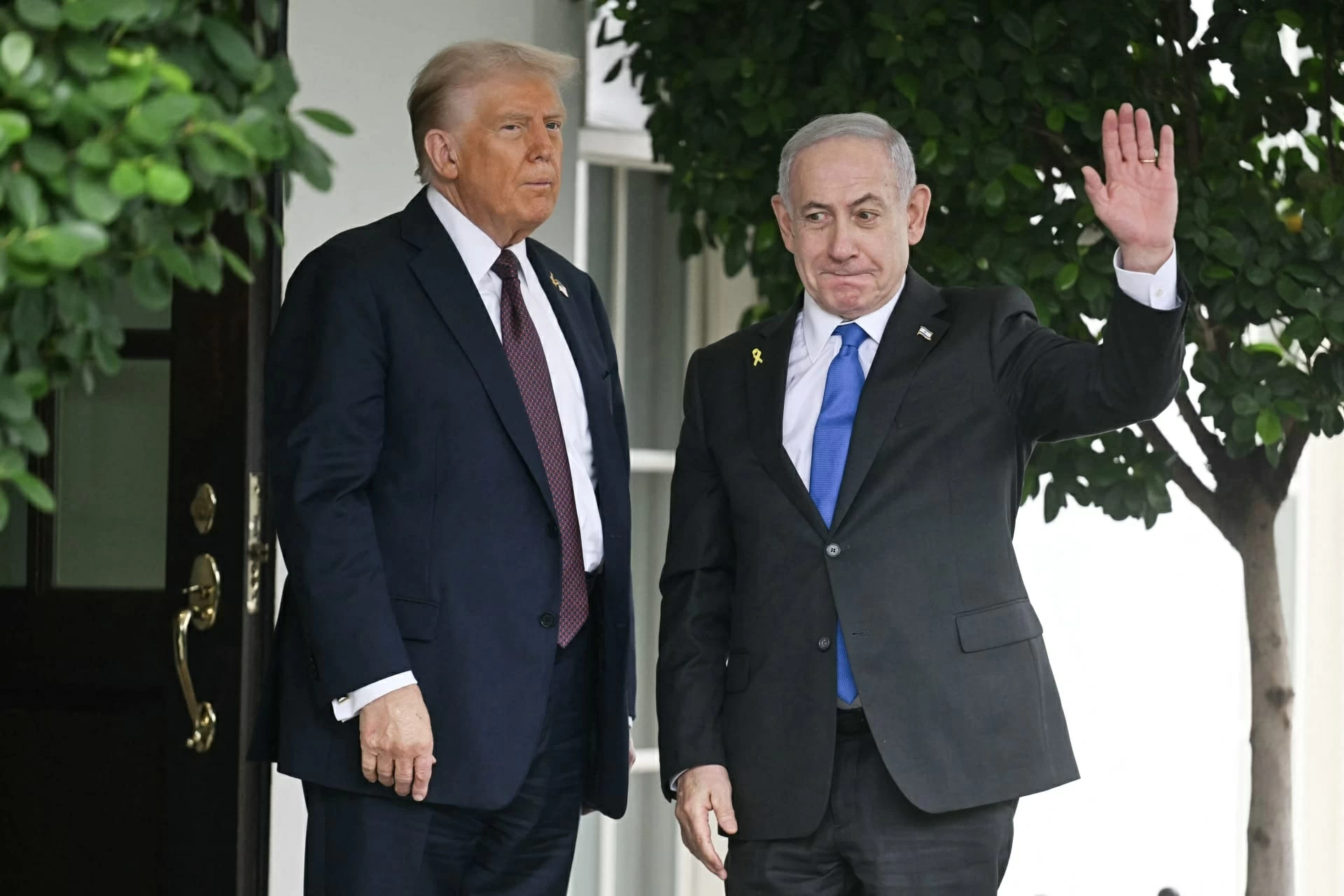
حسم الرئيس الأمريكي دونالد ترمب الجدل الدائر حول مسار المواجهة مع طهران، مؤكداً أن رئيس الوزراء الإسرائيلي بنيامين نتنياهو «لن يكون أمامه أي خيار» سوى القبول بالاتفاق المرتقب بين الولايات المتحدة وإيران، مشدداً على أن الإدارة الأمريكية هي وحدها من يمسك بزمام القرار النهائي.
أنا من يتخذ القرارات
وفي مقابلة حاسمة مع صحيفة «فاينانشيال تايمز» البريطانية، قطع ترمب الطريق أمام أي مناورة إسرائيلية قائلاً بلغة حازمة: «أنا من يتخذ القرارات، أنا من يتخذ كل القرارات.. هو (نتنياهو) لا يتخذها». وقلل ترمب من التأثير الميداني للهجوم على الطاولة السياسية، معتبراً أن الضربات «لم تحقق شيئاً» ولن تغير مسار المفاوضات.
كواليس التهدئة القسرية
على جبهة الاتصالات الخلفية، كشفت القناة 12 الإسرائيلية أن نتنياهو رضخ لطلب مباشر من ترمب بـ«التريث» وتجميد أي رد عسكري فوري ضد طهران، بهدف منح الدبلوماسية الأمريكية مهلة أيام إضافية لإنهاء صياغة الاتفاق الوشيك.
من «المكالمة الحادة» إلى الرضوخ
ونقلت المصادر عن مسؤول أمريكي رفيع قوله إن المكالمة الأخيرة بين الزعيمين كانت «أكثر هدوءاً» مقارنة باتصال الأسبوع الماضي الذي وصفه موقع «أكسيوس» بـ«الحاد جداً»، ولم ينفِ ترمب طبيعته العاصفة.
وبحسب التقارير، فإن نتنياهو حاول جاهداً إقناع ترمب بتعديل موقفه وأبدى تحفظات شديدة على تجميد الرد، إلا أنه في نهاية المطاف «وافق نوعاً ما» على الرغبة الأمريكية. ويعكس هذا الموقف رؤية البيت الأبيض التي لخصها المسؤول بقوله: «هذه الحرب مستمرة منذ أكثر من ثلاثة أشهر، وحان الوقت للمضي قدماً».
بدائل ترمب
ورغم اندفاعه نحو التسوية، أبدى ترمب حذراً دبلوماسياً بشأن التوقيت النهائي لإبرام الصفقة، واضعاً خطوطه البديلة في حال انهيار المفاوضات:
المسار الأول
تدخل عسكري أمريكي مباشر لتصفية ما تبقّى من الملفات العالقة.
المسار الثاني
استمرار وتشديد الحصار الاقتصادي على طهران، الذي وصفه بأنه «أقوى من أي هجوم عسكري تعرضت له إيران».
U.S. President Donald Trump has settled the ongoing debate regarding the confrontation with Tehran, asserting that Israeli Prime Minister Benjamin Netanyahu "will have no choice" but to accept the anticipated agreement between the United States and Iran, emphasizing that the U.S. administration alone holds the reins of the final decision.
I am the one making the decisions
In a decisive interview with the British newspaper "Financial Times," Trump blocked any Israeli maneuvering, stating firmly: "I am the one making the decisions, I am the one making all the decisions... he (Netanyahu) does not make them." Trump downplayed the battlefield impact of the attack on the political table, considering that the strikes "achieved nothing" and would not change the course of negotiations.
The backstage of forced de-escalation
On the backchannel communications front, Channel 12 in Israel revealed that Netanyahu succumbed to a direct request from Trump to "hold off" and freeze any immediate military response against Tehran, in order to give U.S. diplomacy a few extra days to finalize the upcoming agreement.
From the "tense call" to submission
Sources reported a senior U.S. official stating that the last call between the two leaders was "calmer" compared to last week's call, which Axios described as "very tense," and Trump did not deny its stormy nature.
According to reports, Netanyahu made a strenuous effort to convince Trump to modify his stance and expressed significant reservations about freezing the response, but ultimately "somewhat agreed" to the U.S. desire. This position reflects the White House's view, summarized by the official as: "This war has been ongoing for more than three months, and it's time to move forward."
Trump's alternatives
Despite his push for a settlement, Trump expressed diplomatic caution regarding the final timing of the deal, laying out his alternative lines in case the negotiations collapse:
First path
Direct U.S. military intervention to resolve the remaining outstanding issues.
Second path
Continuation and intensification of the economic blockade on Tehran, which he described as "stronger than any military attack Iran has faced."