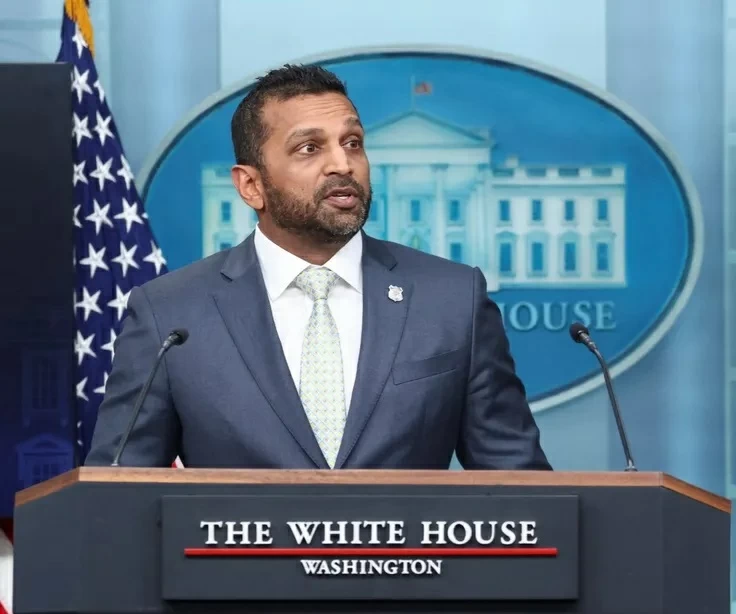
أثار تقرير نشرته مجلة «ذي أتلانتيك» (الجمعة)، زعمت فيه أن سلوك وإدمان مدير مكتب التحقيقات الفيدرالية (إف بي آي) على الكحول يشكل تهديداً للأمن القومي، غضب مدير مكتب التحقيقات الفيدرالي FBI، كاش باتيل الذي لجأ إلى القضاء ورفع شكوى تشهير ضد المجلة ومراسلتها سارة فيتزباتريك.
وذكرت الدعوى المرفوعة أمام القضاء أن «ما ورد في التقرير كذب، بشأن إدمان باتيل الكحول، وأنه غير قادر على أداء مهماته، ويمثل تهديداً للسلامة العامة، ومعرض للابتزاز الأجنبي، وانتهك قواعد الأخلاقيات في وزارة العدل، ويتعذر الوصول إليه في حالات الطوارئ، واستدعى استخدام معدات اقتحام لإخراجه من غرف مغلقة، ويسمح للكحول بالتأثير على تصريحاته العلنية بشأن التحقيقات الجنائية، ويتصرف بشكل مضطرب بما يضر بالأمن القومي».
موقف المجلة
واتهمت الدعوى الصحفيين بتجاهل معلومات كان من شأنها أن تدحض الفرضية الأساسية للتقرير، مفادها أن باتيل قائد مهمل ومضطرب، يسيء استخدام الكحول إلى درجة تجعله غير صالح لأداء مهماته، مبينة أن «ذي أتلانتيك» نشرت هذه المزاعم بـ«سوء نية».
بالمقابل، قال متحدث باسم المجلة لشبكة «سي إن إن»: «نتمسك بتقريرنا بشأن باتيل، وسندافع بقوة عن المجلة وصحفيينا في مواجهة هذه الدعوى التي لا تستند إلى أساس».
وكانت المقالة قد حملت عنوان «سلوك كاش باتيل المتقلب قد يكلفه وظيفته»، واستشهدت بأكثر من 20 مصدراً مجهولاً أعربوا عن قلقهم بشأن السكر الواضح والغيابات غير المبررة لباتيل التي أثارت قلق المسؤولين في مكتب التحقيقات الفيدرالي ووزارة العدل.
وأفادت المقالة التي وضعت لها مجلة «ذي أتلانتيك» لاحقاً في نسختها الإلكترونية عنوان (مدير مكتب التحقيقات الفيدرالي مفقود) بأنه خلال فترة تولي باتيل منصبه، اضطر المكتب إلى جدولة اجتماعات مبكرة نتيجة شربه الكحول، وأن باتيل غالباً ما يكون غائباً أو يتعذر الوصول إليه، ما يؤخر القرارات الحساسة من حيث التوقيت واللازمة للمضي قدماً في التحقيقات.
موقف الإدارة الأمريكية
وورد في تقرير «ذي أتلانتيك»، أن البيت الأبيض ووزارة العدل وباتيل ينفون هذه المزاعم، كما تضمن المقال تصريحاً منسوباً إلى باتيل من مكتب التحقيقات الفيدرالي، جاء فيه: «انشروه، كله كذب، سأراكم في المحكمة، أحضروا دفاتر شيكاتكم».
يذكر أن قضايا التشهير بسبب إخفاق المدعين في إثبات هذا المعيار غالباً ما تتعثر، لكن محامي باتيل يقول إن المجلة تجاهلت نفيه قبل النشر، و«فشلت في اتخاذ أبسط الخطوات الاستقصائية» التي كانت ستفند مزاعمها بسهولة، كما أظهرت عداء تحريرياً واضحاً تجاهه.
A report published by "The Atlantic" magazine (on Friday) claimed that the behavior and alcohol addiction of FBI Director Kash Patel poses a threat to national security, which angered FBI Director Kash Patel, who turned to the courts and filed a defamation lawsuit against the magazine and its reporter Sarah Fitzpatrick.
The lawsuit filed in court stated that "the claims in the report are false regarding Patel's alcohol addiction, that he is unable to perform his duties, poses a threat to public safety, is susceptible to foreign blackmail, violated the ethical standards of the Department of Justice, is unreachable in emergencies, required the use of breaching equipment to remove him from locked rooms, allows alcohol to influence his public statements regarding criminal investigations, and behaves erratically in a manner that harms national security."
The Magazine's Position
The lawsuit accused the journalists of ignoring information that would have disproved the fundamental premise of the report, which suggested that Patel is a negligent and erratic leader who misuses alcohol to the extent that he is unfit to perform his duties, indicating that "The Atlantic" published these allegations with "malice."
In contrast, a spokesperson for the magazine told CNN: "We stand by our report on Patel and will vigorously defend the magazine and our journalists against this baseless lawsuit."
The article was titled "Kash Patel's Erratic Behavior Could Cost Him His Job," and cited more than 20 anonymous sources who expressed concern about Patel's apparent drunkenness and unexcused absences, which raised alarms among officials at the FBI and the Department of Justice.
The article, which was later given the online title "FBI Director Missing" by "The Atlantic," reported that during Patel's tenure, the bureau had to schedule early meetings due to his drinking, and that Patel was often absent or unreachable, delaying sensitive decisions necessary to move forward with investigations.
The U.S. Administration's Position
The report from "The Atlantic" stated that the White House, the Department of Justice, and Patel deny these allegations. The article included a statement attributed to Patel from the FBI, which said: "Publish it, it's all lies, I'll see you in court, bring your checkbooks."
It is noted that defamation cases often stumble due to plaintiffs' failure to meet this standard, but Patel's lawyer claims that the magazine ignored his denial before publication and "failed to take the simplest investigative steps" that would have easily refuted its claims, as well as showing clear editorial hostility towards him.