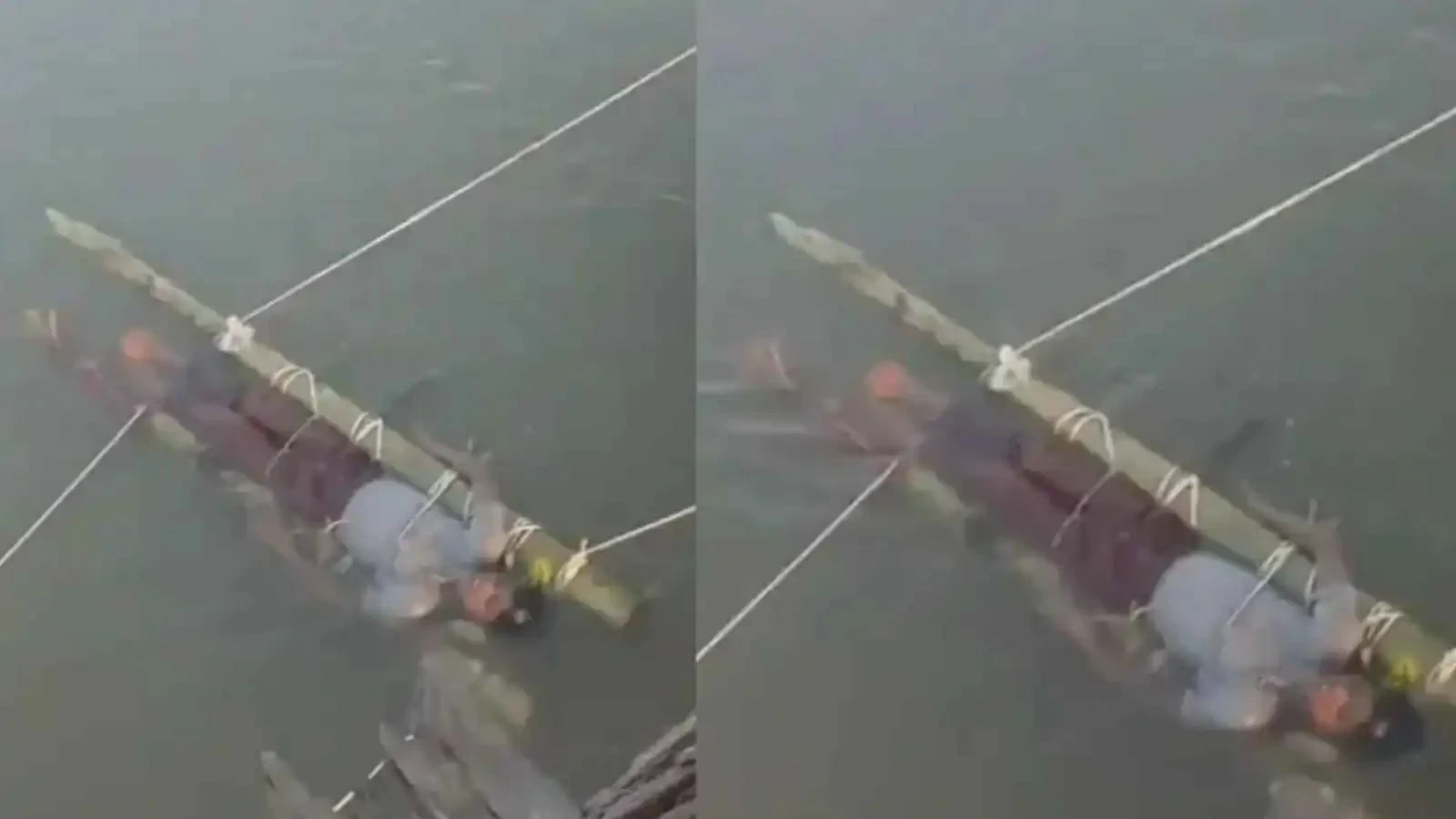
أثارت وفاة طفل صغير في قرية «بيتامبور» بولاية أوتار براديش موجة غضب واسعة وتساؤلات مؤلمة حول استمرار الخرافات وتأثيرها المباشر على قرارات قد تُكلّف الحياة، بعد أن توفي «أميت»، البالغ من العمر 13 عاماً، عقب تعرضه للدغة ثعبان سام، في واقعة كان يمكن أن تنتهي بشكل مختلف لو تلقى الرعاية الطبية في وقتها.
وبحسب التقارير، لم تُنقل حالة الطفل إلى المستشفى فوراً، إذ لجأت عائلته إلى شخص يُعتقد أنه «معالج شعبي»، فأوصى بإجراءات غير طبية تضمنت تقييد الطفل وإبقائه مغموراً في مياه نهر الغانج لساعات طويلة، بدعوى أن ذلك قد يساعد في إزالة السم من جسده.
ومع مرور الوقت وتدهور حالته، لم يتم نقله إلى المركز الصحي إلا بعد نحو 12 ساعة، حيث أكد الأطباء أن الطفل كان قد فارق الحياة بالفعل، نتيجة تأخر التدخل الطبي.
وما زاد من وقع الصدمة أن العائلة، بعد إعلان الوفاة، حاولت إعادة جثمانه إلى النهر على أمل حدوث ما وصفوه بـ«معجزة».
من جهته، شدد أحد الأطباء المحليين على أهمية التدخل السريع في حالات لدغات الثعابين، مؤكداً أن «التأخير ولو لوقت بسيط قد يكون قاتلاً»، في ظل حملات توعية مستمرة تدعو للتوجه الفوري إلى المستشفيات.
الحادثة أثارت ردود فعل غاضبة على مواقع التواصل الاجتماعي، حيث طالب كثيرون بضرورة محاسبة المسؤولين عن اتخاذ قرارات غير طبية ساهمت في تفاقم الوضع، وسط دعوات لتكثيف التوعية في المناطق الريفية للحد من تكرار مثل هذه المآسي.
وحتى الآن، لم تُعلن السلطات عن إجراءات قانونية رسمية، فيما يبقى الحادث مثالاً مؤلماً على الفجوة بين الطب الحديث والمعتقدات التقليدية حين تتحول إلى خطر مباشر على الحياة.
The death of a young child in the village of "Baitampur" in Uttar Pradesh has sparked widespread outrage and painful questions about the persistence of superstitions and their direct impact on decisions that could cost lives, after "Amit," a 13-year-old, died following a venomous snake bite, in a situation that could have ended differently had he received timely medical care.
According to reports, the child's condition was not taken to the hospital immediately, as his family resorted to a person believed to be a "folk healer," who recommended non-medical procedures that included restraining the child and keeping him submerged in the waters of the Ganges River for long hours, claiming that this could help remove the poison from his body.
As time passed and his condition deteriorated, he was not taken to the health center until about 12 hours later, where doctors confirmed that the child had already passed away due to the delay in medical intervention.
What added to the shock was that the family, after the announcement of his death, attempted to return his body to the river in hopes of what they described as a "miracle."
For his part, a local doctor emphasized the importance of quick intervention in cases of snake bites, stating that "even a slight delay can be fatal," amidst ongoing awareness campaigns urging immediate visits to hospitals.
The incident has sparked angry reactions on social media, with many calling for accountability for those responsible for making non-medical decisions that contributed to worsening the situation, alongside calls to intensify awareness in rural areas to prevent the recurrence of such tragedies.
So far, authorities have not announced any formal legal actions, while the incident remains a painful example of the gap between modern medicine and traditional beliefs when they turn into a direct threat to life.