من كان يتخيل أن حلم الثراء السريع الذي بيع لملايين المستثمرين حول العالم سيتحول يوماً إلى واحدة من أضخم عمليات الاحتيال المالي في التاريخ الرقمي؟ لكن هذا بالضبط ما حدث مع مشروع «ون كوين»، الذي عاد إلى الواجهة مجدداً بعد إعلان رسمي أمريكي أعاد فتح الملف من جديد.
أعلنت وزارة العدل الأمريكية فتح باب التقدم للتعويض أمام الضحايا، في خطوة كشفت من جديد حجم الكارثة التي امتدت بين عامي 2014 و2019، واستنزفت أكثر من 4 مليارات دولار من مدخرات نحو 3.5 مليون مستثمر في 175 دولة.
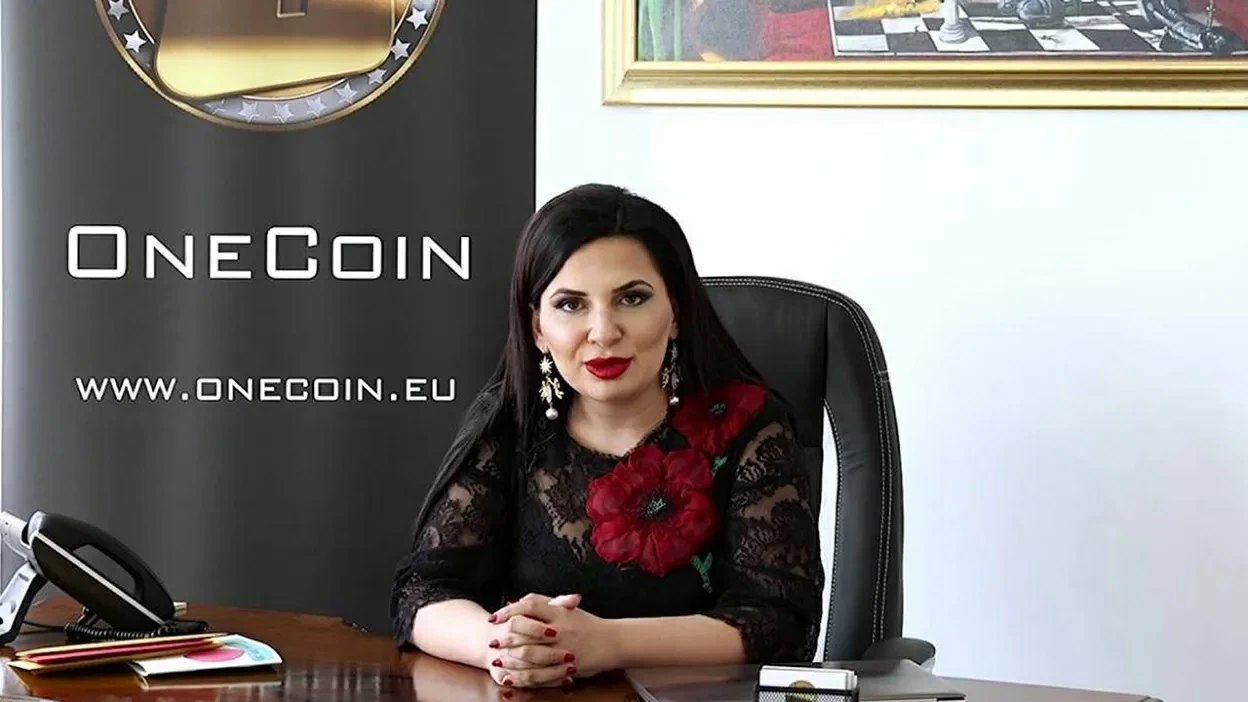
لم تبدأ القصة جريمةً، بل «وعداً ثوريّاً» في عالم العملات الرقمية. من صوفيا البلغارية، ظهرت شركة تحمل اسم «ون كوين»، تروج لعملة قيل إنها ستنافس بيتكوين، وتغيّر مستقبل المال في العالم. خلف هذا الوعد كانت تقف روجا إغناتوفا، التي نجحت في تقديم نفسها وجهةً لامعةً لمشروع يبدو للوهلة الأولى كأنه فرصة تاريخية.
لكن خلف الأضواء، كان النظام مختلفاً تماماً. فلا تقنية حقيقية، ولا سوق تداول فعلي، ولا «بلوك تشين» كما تم الترويج له. وما كان يُباع فعلياً لم يكن عملة رقمية، بل نظام مغلق تتحكم فيه الشركة وحدها، وتحدد فيه الأسعار كما تشاء، بينما تُغذّى الأرباح من أموال المستثمرين الجدد في نموذج كلاسيكي للاحتيال الهرمي.
ومع توسع المشروع، تحولت «ون كوين» إلى آلة تسويق عالمية، تقدم باقات استثمارية مغرية تبدأ من مستويات بسيطة وصولاً إلى وعود بالثراء الفاحش، في مشهد جذب ملايين الضحايا الذين ضخوا أموالهم على أمل القفز إلى عالم الثراء الرقمي.
وجاءت الصدمة الكبرى لاحقاً عندما بدأت التحقيقات تكشف أن ما تم بيعه للعالم لم يكن سوى وهم تقني، وأن البنية التحتية الموعودة لم تكن موجودة أصلاً، وأن كل شيء كان يُدار من داخل منظومة مغلقة هدفها جمع أكبر قدر ممكن من الأموال قبل الانهيار.
ومع تضييق الخناق الأمني الدولي، بدأت خيوط الشبكة تتفكك، وظهرت شهادات صادمة من داخل الدائرة المقربة للمشروع، تتحدث عن نوايا مسبقة للهروب وتضليل المستثمرين، قبل أن تختفي روجا إغناتوفا عن الأنظار بشكل كامل منذ عام 2017، لتتحول إلى واحدة من أكثر الشخصيات غموضاً في عالم الجرائم المالية، مع إدراجها على قائمة أخطر المطلوبين في العالم ومكافأة تصل إلى 5 ملايين دولار لمن يقود إلى اعتقالها.
ومع فتح باب التعويضات، لا يعود الملف مجرد قضية مالية، بل قصة سقوط مدوٍ لهوس عالمي بالثراء السريع، وتحذير صارخ من الوجه المظلم للعصر الرقمي، إذ يمكن لفكرة براقة أن تتحول إلى فخ يبتلع مليارات الدولارات دون أن يترك أثراً واضحاً للجناة.
Who would have imagined that the dream of quick wealth sold to millions of investors around the world would one day turn into one of the largest financial frauds in digital history? But that is exactly what happened with the "OneCoin" project, which has resurfaced following an official U.S. announcement that reopened the case.
The U.S. Department of Justice announced the opening of a compensation application process for victims, in a move that once again revealed the scale of the disaster that spanned from 2014 to 2019, draining over $4 billion from the savings of about 3.5 million investors in 175 countries.
The story did not begin as a crime, but rather as a "revolutionary promise" in the world of digital currencies. From Sofia, Bulgaria, a company named "OneCoin" emerged, promoting a currency said to rival Bitcoin and change the future of money in the world. Behind this promise stood Ruja Ignatova, who successfully presented herself as a shining figure for a project that seemed, at first glance, like a historic opportunity.
But behind the lights, the system was completely different. There was no real technology, no actual trading market, and no "blockchain" as promoted. What was actually being sold was not a digital currency, but a closed system controlled solely by the company, which set the prices as it pleased, while profits were fed by the money of new investors in a classic pyramid scheme model.
As the project expanded, "OneCoin" turned into a global marketing machine, offering enticing investment packages starting from simple levels to promises of immense wealth, in a scene that attracted millions of victims who poured their money in hopes of jumping into the world of digital riches.
The major shock came later when investigations revealed that what had been sold to the world was nothing but a technical illusion, that the promised infrastructure did not actually exist, and that everything was managed from within a closed system aimed at collecting as much money as possible before collapsing.
As international security pressure tightened, the threads of the network began to unravel, and shocking testimonies emerged from within the close circle of the project, speaking of premeditated intentions to escape and mislead investors, before Ruja Ignatova completely vanished from sight since 2017, turning into one of the most mysterious figures in the world of financial crimes, with her name added to the list of the world's most wanted criminals and a reward of up to $5 million for information leading to her arrest.
With the opening of the compensation process, the case is no longer just a financial issue, but a story of a resounding fall from a global obsession with quick wealth, and a stark warning of the dark side of the digital age, where a shiny idea can turn into a trap that swallows billions of dollars without leaving a clear trace of the perpetrators.