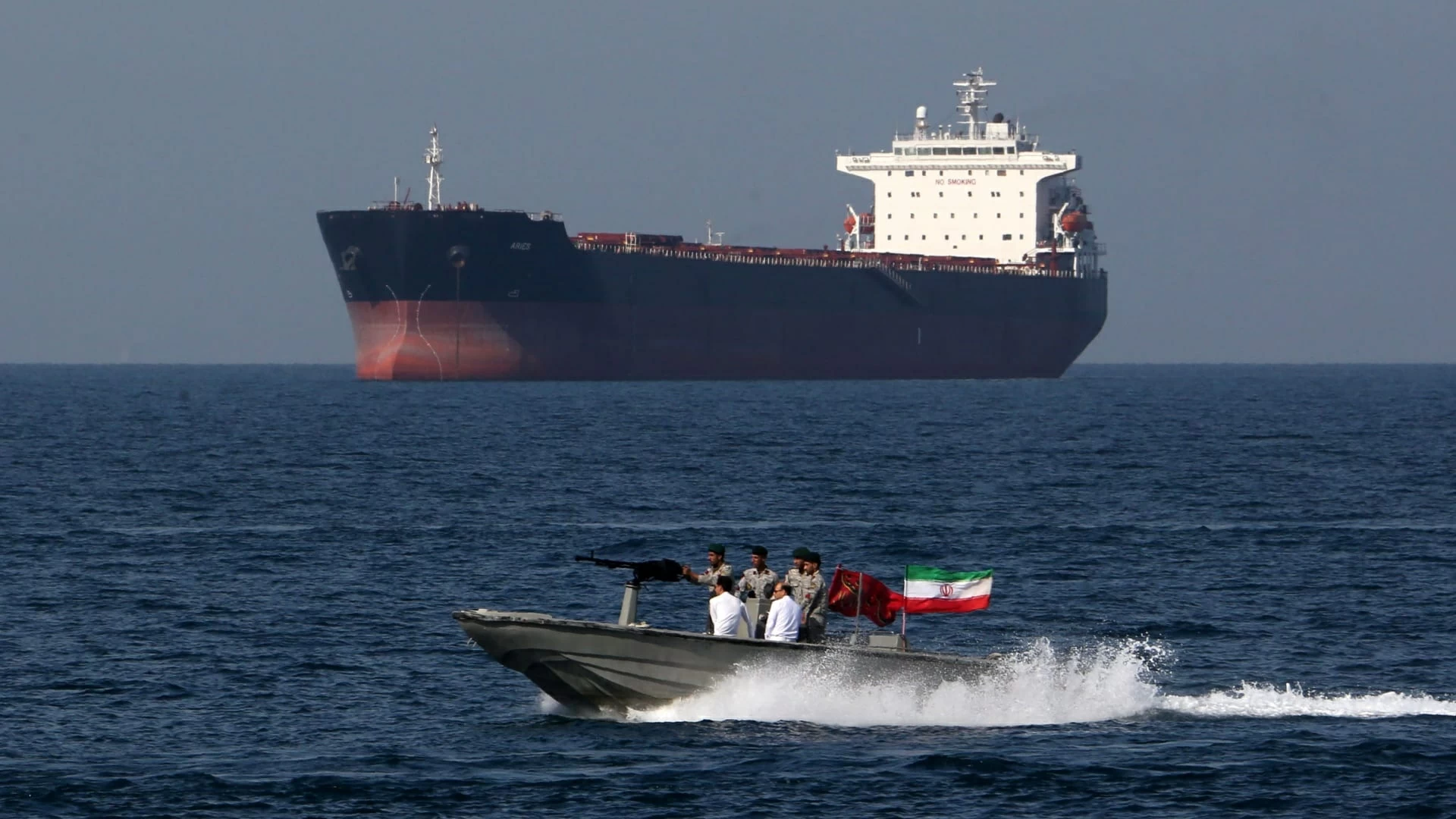
كشف دبلوماسيان أوروبيان اليوم (الإثنين) عن عزم الاتحاد توسيع نطاق معايير عقوباته المفروضة على إيران لتشمل المسؤولين عن إغلاق مضيق هرمز، الذي لا يزال مغلقاً منذ ما يقرب شهرين.
وقال أحد الدبلوماسيين: «هناك اتفاق سياسي بين السفراء على أننا سنغير بالفعل معايير نظام العقوبات المفروضة على إيران حتى نتمكن أيضاً من إدراج الأشخاص والكيانات المسؤولة عن عرقلة حرية الملاحة في مضيق هرمز»، فيما قال دبلوماسي آخر إن خدمة العمل الخارجي الأوروبي ستحتاج إلى بضعة أسابيع لإعداد أي قوائم جديدة.
وتضطلع الخدمة بمسؤولية فرض العقوبات على الأفراد والشركات، بينما تتولى المفوضية الأوروبية فرض القيود على القطاعات.
وكان الاتحاد الأوروبي قد صنف الحرس الثوري الإيراني «منظمة إرهابية»، في يناير، وفرض عقوبات على 16 فرداً، و3 كيانات، في منتصف مارس، متهماً إياهم بالمسؤولية عن انتهاكات جسيمة لحقوق الإنسان في إيران.
وأغلقت طهران منذ 28 فبراير مضيق هرمز، رداً على الضربات الأمريكية والإسرائيلية، ما أدى إلى قطع ما يقارب الـ20% من إمدادات النفط والغاز الطبيعي المسال في العالم، لكنها فتحته لفترة وجيزة (الجمعة) وسمحت بمرور أكثر من 10 ناقلات بناء اتفاق وقف إطلاق النار.
في غضون ذلك، ذكرت صحيفة «نيويورك تايمز»، اليوم أن ناقلة الحاويات الإيرانية التي احتجزتها القوات الأمريكية في بحر العرب، (الأحد)، كانت مدرجة على قائمة العقوبات التي فرضتها وزارة الخزانة الأمريكية عام 2020، خلال الولاية الأولى للرئيس دونالد ترمب.
وأفاد مسؤولون في وزارة الخزانة آنذاك بأن السفينة، التي يبلغ طولها نحو 960 قدماً وتحمل اسم «توسكا»، استُهدفت بسبب صلاتها بكيانات مالية إيرانية وبرامج تسليحية.
وأفاد مسؤول عسكري أمريكي للصحيفة بأن طاقم السفينة الإيرانية المحتجزة سيعود إلى إيران قريباً.
وكان الرئيس الأمريكي دونالد ترمب قد قال إن «السفينة (توسكا) خاضعة لعقوبات وزارة الخزانة الأمريكية بسبب سجلها السابق في أنشطة غير قانونية، ونحن نسيطر بشكل كامل عليها، ونعمل حالياً على التحقق من محتوياتها».
Two European diplomats revealed today (Monday) that the EU intends to expand the scope of its sanctions criteria imposed on Iran to include those responsible for closing the Strait of Hormuz, which has been closed for nearly two months.
One of the diplomats said, “There is a political agreement among the ambassadors that we will indeed change the criteria of the sanctions regime imposed on Iran so that we can also include individuals and entities responsible for obstructing freedom of navigation in the Strait of Hormuz,” while another diplomat stated that the European External Action Service would need a few weeks to prepare any new lists.
The service is responsible for imposing sanctions on individuals and companies, while the European Commission imposes restrictions on sectors.
The European Union had classified the Iranian Revolutionary Guard as a "terrorist organization" in January and imposed sanctions on 16 individuals and 3 entities in mid-March, accusing them of being responsible for severe human rights violations in Iran.
Tehran has closed the Strait of Hormuz since February 28 in response to American and Israeli strikes, cutting off nearly 20% of the world's oil and liquefied natural gas supplies, but it briefly reopened it (on Friday) and allowed the passage of more than 10 tankers as part of a ceasefire agreement.
Meanwhile, the New York Times reported today that the Iranian container ship seized by U.S. forces in the Arabian Sea (on Sunday) was listed on the sanctions list imposed by the U.S. Treasury in 2020 during President Donald Trump's first term.
Officials at the Treasury at that time stated that the ship, which is about 960 feet long and named "Tosca," was targeted due to its connections to Iranian financial entities and weapons programs.
A U.S. military official told the newspaper that the crew of the detained Iranian ship would return to Iran soon.
President Donald Trump had stated that “the ship (Tosca) is subject to U.S. Treasury sanctions due to its previous record of illegal activities, and we have complete control over it, and we are currently verifying its contents.”