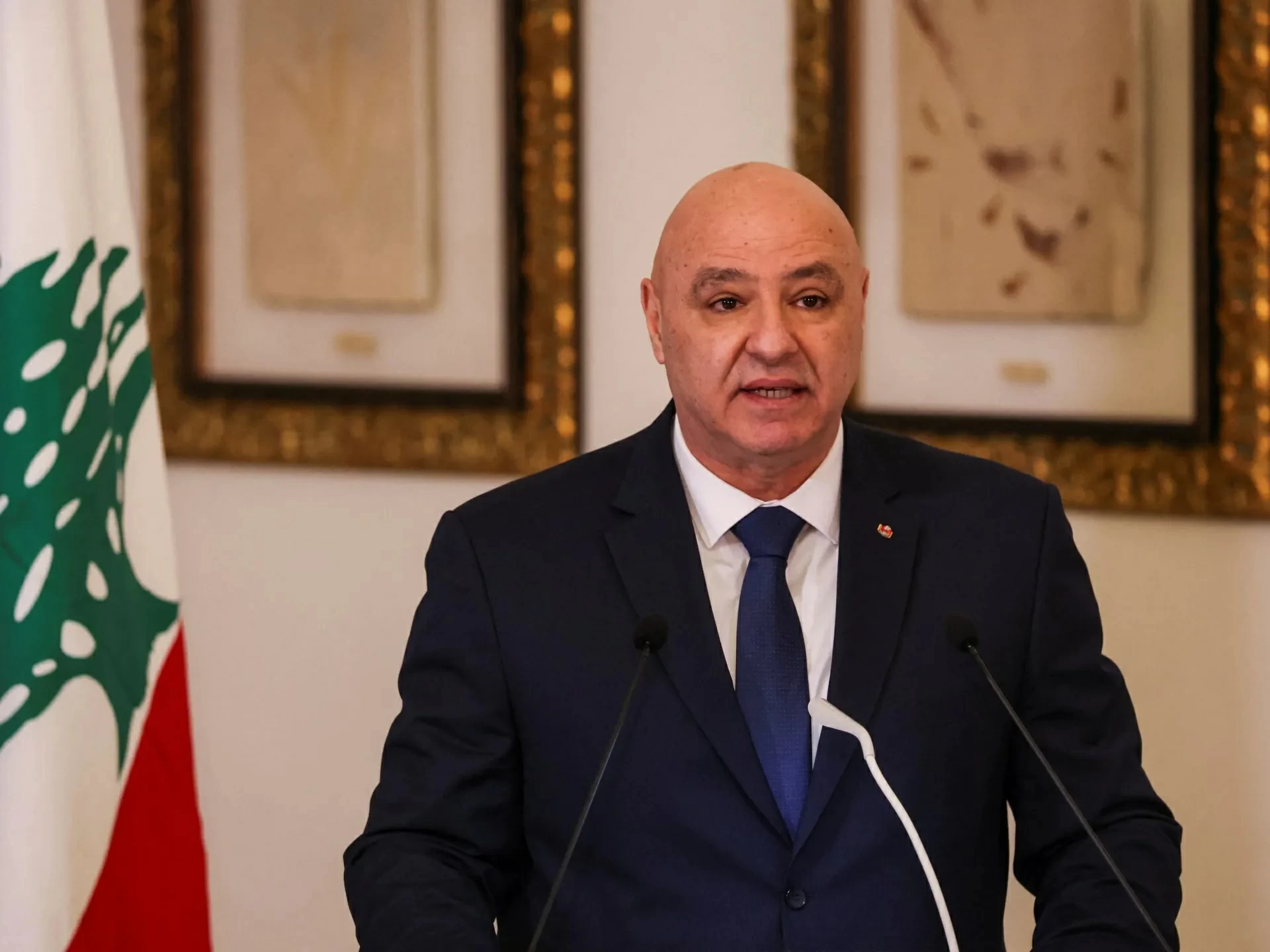
وصف الرئيس اللبناني جوزيف عون، المفاوضات المباشرة مع إسرائيل بأنه «دقيقة ومفصلية» وتتطلب مسؤولية وطنية موحدة.
وقال عون خلال استقباله وفداً من نواب بيروت، اليوم (الجمعة)، إن موقف الدولة هو تثبيت وقف إطلاق النار، وضمان انسحاب إسرائيل ومعالجة الخلافات الحدودية العالقة. وأضاف أن وقف النار هو المدخل للمضي في المفاوضات وهو خيار يلقى دعماً محلياً وخارجياً.
ولفت عون إلى أن الجيش اللبناني سوف يلعب دوراً أساسياً بعد انسحاب القوات الإسرائيلية وسيطمئن الجنوبيين بعد عودتهم إلى قراهم وبلداتهم، بأن لا قوى مسلحة غير الجيش والقوى الأمنية الشرعية. وشدد على أن لبنان اليوم أمام واقع جديد يتوفر له الدعم العربي والدولي في فرصة لا تتكرر ويجب عدم إهدارها.
ودخل وقف إطلاق النار بين إسرائيل ولبنان حيّز التنفيذ، مساء أمس (الخميس)، بعد إعلان هدنة لمدة عشرة أيام تشمل حزب الله، بموجب اتفاق من 6 بنود.
وبعد دخول وقف إطلاق النار حيز التنفيذ، قال المتحدث باسم الجيش الإسرائيلي أفيخاي أدرعي إن الجيش الإسرائيلي مستمر بتمركزه في مواقعه جنوب لبنان حتى بعد الهدنة، لمواجهة نشاطات حزب الله، حسب قوله، داعياً اللبنانيين إلى عدم الانتقال إلى جنوب نهر الليطاني حتى إشعار آخر.
من جانبه، قال وزير الدفاع الإسرائيلي يسرائيل كاتس، إن إسرائيل ملتزمة بنزع سلاح حزب الله سواء بالوسائل العسكرية أو السياسية.
و اعتبر في كلمة له، اليوم، أن الهدف الذي حددناه، وهو نزع سلاح حزب الله عبر وسائل عسكرية أو سياسية، كان ولا يزال هدف المعركة الذي نلتزم به، حيث نشأ الآن أيضاً زخم سياسي كبير بمشاركة مباشرة من الرئيس الأمريكي والتزامه بهذا الهدف، مع ممارسة الضغط على الحكومة اللبنانية.
وأوضح كاتس أنه «تم إنشاء منطقة أمنية يسيطر عليها الجيش الإسرائيلي، تصل إلى عمق 10 كيلومترات من خط الحدود وتمتد من الغرب بالقرب من البحر وحتى منطقة جبل الشيخ في الشرق؛ وذلك بهدف إزالة تهديدات الغزو والحماية من النيران المباشرة تجاه المستوطنات».
The Lebanese President Joseph Aoun described the direct negotiations with Israel as "delicate and pivotal," requiring a unified national responsibility.
Aoun stated during his reception of a delegation of Beirut MPs today (Friday) that the state's position is to establish a ceasefire, ensure Israel's withdrawal, and address the outstanding border disputes. He added that the ceasefire is the entry point to proceed with negotiations and is an option that receives local and international support.
Aoun pointed out that the Lebanese army will play a crucial role after the withdrawal of Israeli forces and will reassure the southerners upon their return to their villages and towns that there are no armed forces other than the army and legitimate security forces. He emphasized that Lebanon is now facing a new reality that has the support of Arab and international backing in a unique opportunity that should not be wasted.
The ceasefire between Israel and Lebanon came into effect last night (Thursday) after announcing a ten-day truce that includes Hezbollah, under a six-point agreement.
After the ceasefire took effect, Israeli army spokesperson Avichai Adraee stated that the Israeli army continues to maintain its positions in southern Lebanon even after the truce, to counter Hezbollah's activities, as he said, urging Lebanese citizens not to move south of the Litani River until further notice.
For his part, Israeli Defense Minister Israel Katz stated that Israel is committed to disarming Hezbollah by either military or political means.
In a speech today, he considered that the goal we set, which is to disarm Hezbollah through military or political means, has been and remains the objective of the battle we are committed to, as there has now also emerged significant political momentum with the direct participation of the American president and his commitment to this goal, along with pressure on the Lebanese government.
Katz clarified that "a security zone has been established controlled by the Israeli army, extending 10 kilometers deep from the border line and stretching from the west near the sea to the Mount Hermon area in the east; this is aimed at removing invasion threats and protecting against direct fire towards the settlements."