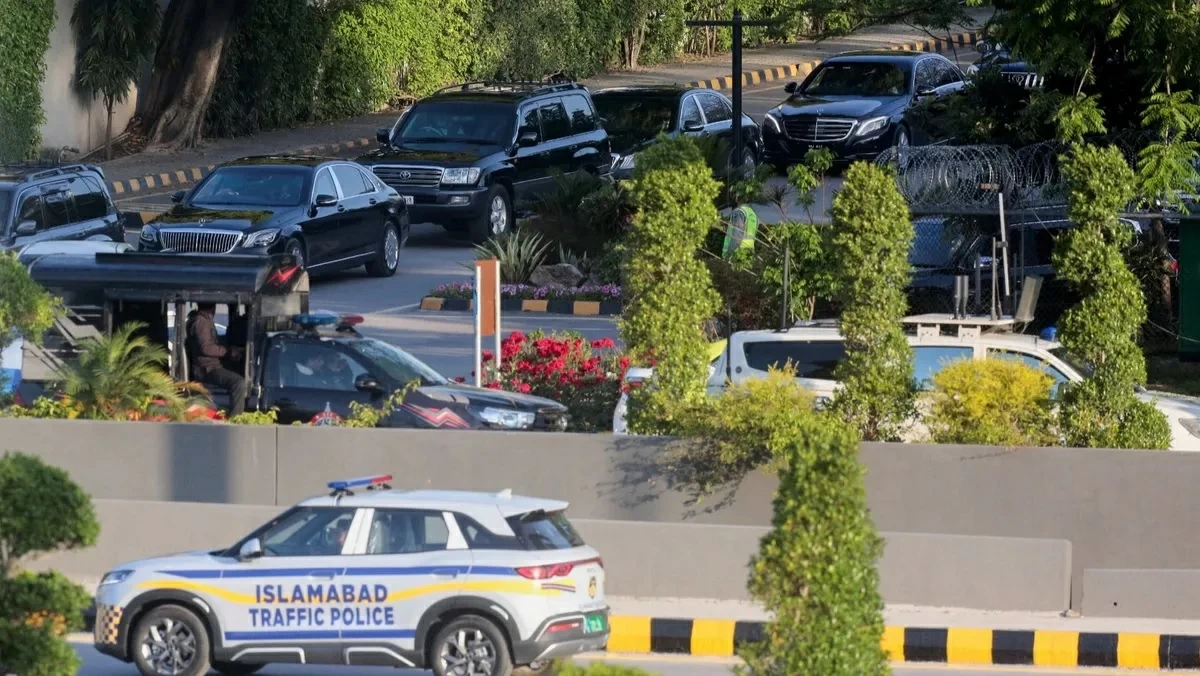
انتهت جولة المحادثات بين الولايات المتحدة وإيران في إسلام أباد، في وقت مبكر من صباح اليوم الأحد، بعد يوم كامل من المفاوضات، دون التوصل إلى اتفاق، وسط مؤشرات على استمرار الخلافات.
خلافات حول 3 مسائل
وكشف الناطق باسم الخارجية الإيراني إسماعيل بقائي، أن طهران توصلت إلى اتفاق مع الوفد الأمريكي بشأن عدد من النقاط، لكن الخلافات استمرت حول مسألتين أو 3، ما حال دون التوصل إلى اتفاق نهائي، فيما أعربت باكستان عن أملها في أن يستمر الطرفان في التمسك بوقف إطلاق النار.
وقال بقائي في تصريحات أوردتها وكالة أنباء «تسنيم»: «بحثنا في المفاوضات البنود الإيرانية الـ10 ونقاط الطرف الأمريكي، معتبراً أن طريق الدبلوماسية لم يغلق وهو وسيلة دائمة لصون مصالحنا الوطنية. وأضاف أن هذه الجولة من المفاوضات الأطول خلال العام الماضي، واستغرقت إجمالاً 25 ساعة. وأفاد: لم نكن نتوقع منذ البداية أن نتوصل إلى اتفاق في جلسة واحدة. ولم يكن أحد يتوقع ذلك. ولفت إلى تعقيد القضايا والظروف، فبعض المواضيع الجديدة، مثل قضية مضيق هرمز، أُضيفت في هذه المفاوضات، وكل منها له تعقيداته الخاصة.
باكستان مستمرة في تسهيل الحوار
من جانبه، قال وزير الخارجية الباكستاني إسحاق دار، إن بلاده ستستمر في تسهيل الحوار بين الولايات المتحدة وإيران خلال الأيام القادمة، معبراً عن أمله في أن تستمر واشنطن وطهران في التمسك بوقف إطلاق النار.
وأعرب عن امتنانه لواشنطن وطهران لتقديرهما جهود باكستان في المساعدة على تحقيق وقف إطلاق النار ودورها وسيطاً، وقال: «نأمل أن يواصل الجانبان العمل بروح إيجابية لتحقيق سلام دائم وازدهار في المنطقة بأسرها وخارجها».
إيران لم تقبل الشروط الأمريكية
بدوره، أعلن نائب الرئيس الأمريكي جي دي فانس، قبل مغادرة إسلام أباد، الأحد، عدم التوصل إلى اتفاق، لافتاً إلى أن طهران «اختارت عدم قبول الشروط الأمريكية».
وأضاف خلال مؤتمر صحفي، أن المحادثات التي قال إنها استمرت 21 ساعة، لم تسفر عن اتفاق بين الطرفين، مشدداً على ضرورة الحصول على تأكيد واضح وإيجابي بأن إيران لن تسعى إلى امتلاك سلاح نووي.
ولفت إلى أنه كان على تواصل مستمر مع الرئيس دونالد ترمب خلال المفاوضات، التي وصفها بالصعبة، وقال إن الوفد الأمريكي حضر إلى المحادثات بـ«مقترح بسيط للغاية» يشكل، وفق تعبيره، «العرض النهائي والأفضل» من جانب واشنطن.
وأضاف فانس، أن الولايات المتحدة أبدت قدراً كبيراً من المرونة خلال المفاوضات إيران، وحين سئل عن الجوانب التي حالت دون التوصل إلى اتفاق مع الإيرانيين، رفض الرد قائلاً إنه «لن يتفاوض مع الرأي العام».
وشهدت المحادثات التي جرت بوساطة باكستانية ومشاركة وفود رفيعة من الجانبين، جولات مكثفة من المفاوضات المباشرة وغير المباشرة، دون تحقيق أي اختراق، في ظل تباين واضح في المواقف.
The round of talks between the United States and Iran in Islamabad concluded early this Sunday morning, after a full day of negotiations, without reaching an agreement, amid indications of ongoing disagreements.
Disagreements on 3 Issues
Iranian Foreign Ministry spokesperson Ismail Baqaei revealed that Tehran reached an agreement with the American delegation on several points, but disagreements persisted over two or three issues, preventing a final agreement. Meanwhile, Pakistan expressed hope that both parties would continue to adhere to the ceasefire.
Baqaei stated in remarks reported by the Tasnim news agency: "We discussed the ten Iranian points and the American side's points during the negotiations, considering that the path of diplomacy is not closed and is a permanent means to safeguard our national interests." He added that this round of negotiations was the longest in the past year, lasting a total of 25 hours. He noted: "We did not expect from the beginning to reach an agreement in one session. No one expected that." He pointed to the complexity of the issues and circumstances, as some new topics, such as the Strait of Hormuz issue, were added in these negotiations, each with its own complexities.
Pakistan Continues to Facilitate Dialogue
For his part, Pakistani Foreign Minister Ishaq Dar stated that his country would continue to facilitate dialogue between the United States and Iran in the coming days, expressing hope that Washington and Tehran would continue to adhere to the ceasefire.
He expressed gratitude to Washington and Tehran for appreciating Pakistan's efforts in helping to achieve the ceasefire and its role as a mediator, saying: "We hope that both sides will continue to work in a positive spirit to achieve lasting peace and prosperity in the entire region and beyond."
Iran Did Not Accept American Conditions
For his part, U.S. Vice President J.D. Vance announced before leaving Islamabad on Sunday that no agreement had been reached, noting that Tehran "chose not to accept American conditions."
He added during a press conference that the talks, which he said lasted 21 hours, did not result in an agreement between the two sides, emphasizing the need for a clear and positive assurance that Iran would not seek to acquire nuclear weapons.
He pointed out that he was in constant communication with President Donald Trump during the negotiations, which he described as difficult, and said that the American delegation came to the talks with a "very simple proposal" that constituted, in his words, "the final and best offer" from Washington.
Vance added that the United States showed a great deal of flexibility during the negotiations with Iran, and when asked about the aspects that prevented reaching an agreement with the Iranians, he refused to respond, saying he "would not negotiate with public opinion."
The talks, which were mediated by Pakistan and involved high-level delegations from both sides, witnessed intense rounds of direct and indirect negotiations, without achieving any breakthrough, amid a clear divergence in positions.