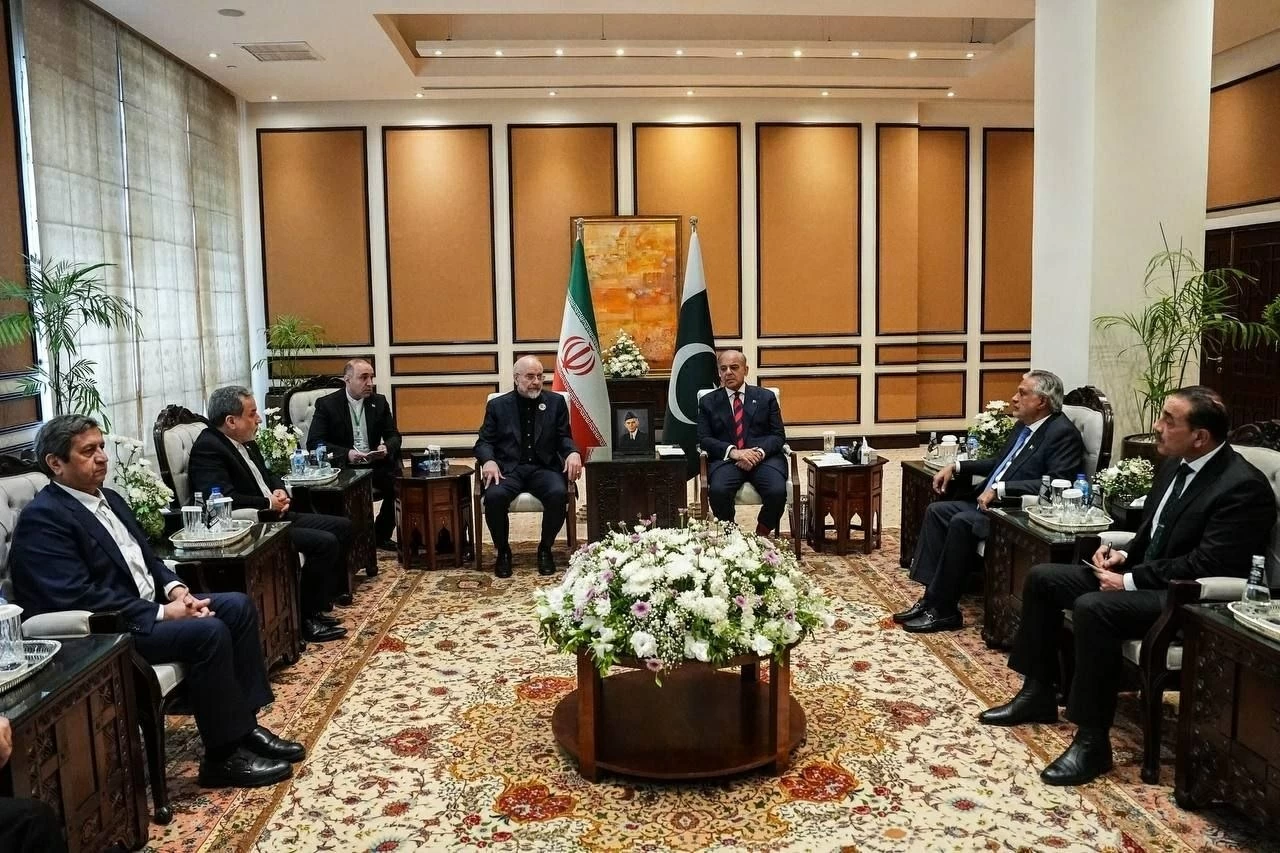
اصطدمت مفاوضات إسلام أباد بين الولايات المتحدة وإيران، بتشابك ملفات حساسة، أبرزها الخلاف حول السيادة على مضيق هرمز، ومخزون اليورانيوم المخصب، ورفض طهران التخلي عن التخصيب، ما عكس عمق الخلافات بين الطرفين.
يوم كامل من المفاوضات
وانتهت جولة من المحادثات في وقت مبكر من صباح اليوم الأحد، بعد نحو يوم كامل من المفاوضات، دون التوصل إلى اتفاق، وسط مؤشرات على استمرار الخلافات.
واعتبر نائب الرئيس الأمريكي جي دي فانس، الذي رأس وفد بلاده في المفاوضات، أن طهران «اختارت عدم قبول الشروط الأمريكية»، ورفضت الحديث عن تأكيد واضح وإيجابي بأنها «لن تسعى إلى امتلاك سلاح نووي».
وعزت مصادر إيرانية فشل المفاوضات في إبرام اتفاق إلى الجانب الأمريكي، معتبرة أنه «لم يكن واقعياً، وكانت لديه مطالب مفرطة».
نقطتان خلافيتان بين واشنطن وطهران
وكشفت وسائل إعلام أمريكية وإيرانية نقطتين خلافيتين عرقلتا جهود التسوية، أبرزها مضيق هرمز وملف تخصيب اليورانيوم، إذ استخدمت إيران موقعها الاستراتيجي على شاطئ المضيق ورقةَ ضغطٍ في مواجهة الضغوط الأمريكية، بينما أصرت الولايات المتحدة على ضمان حرية الملاحة الدولية دون شروط، وشكّل ملف مخزون اليورانيوم نقطة خلاف جوهرية، إذ طالبت واشنطن بتقليصه والحد من نسب التخصيب، في حين ربطت طهران أي التزامات نووية برفع العقوبات أولاً.
معضلة مضيق هرمز
ومنذ اندلاع الحرب برز مضيق هرمز ورقةَ ضغطٍ رئيسية تستخدمها طهران لإجبار خصومها على التراجع، وفرض ضغوط اقتصادية وسياسية، الأمر الذي ساهم في تداعيات واسعة على الاقتصاد العالمي.
وأعلنت إيران، التي يمر نحو 90% من صادراتها النفطية عبر المضيق نفسه، بوضوح عزمها خنق الممر الذي يتدفق عبره نحو 20% من إنتاج النفط العالمي.
ورفضت اشنطن ربط حرية الملاحة عبر المضيق، بأي شروط سياسية، بينما إيران تربط التهدئة في المضيق برفع العقوبات. وهذا التعارض أضعف آمال التوصل لاتفاق.
ملف تخصيب اليورانيوم
قدمت إدارة ترمب في 25 مارس الماضي مقترحاً لوقف الحرب، تضمن 15 بنداً، من بينها تفكيك برنامج طهران النووي، ووقف تخصيب اليورانيوم، مقابل رفع كامل العقوبات المفروضة على طهران.
وتشمل المطالب الأمريكية من إيران، تفكيك قدراتها النووية الحالية، والتعهد بعدم السعي لامتلاك سلاح نووي، ووقف تخصيب اليورانيوم على الأراضي الإيرانية، وتسليم مخزون اليورانيوم المخصب بنسبة 60% إلى الوكالة الدولية للطاقة الذرية، وتفكيك منشآت نطنز وأصفهان وفوردو، ومنح الوكالة الدولية للطاقة الذرية صلاحيات وصول كاملة، والتخلي عن دعم الوكلاء في المنطقة ووقف تمويلهم وتسليحهم، وضمان بقاء مضيق هرمز مفتوحاً، والحد من برنامج الصواريخ.
ويبدو أن فشل محادثات إسلام أباد لم يكن نتيجة خلاف عابر، بل جاء انعكاساً لتعقيدات عميقة بين طرفي التفاوض، فقد ساهمت ملفات حساسة كأمن مضيق هرمز، ومخزون اليورانيوم، والعقوبات الاقتصادية في ترسيخ فجوة الثقة بين الطرفين، وجعلت من الصعب الوصول إلى أرضية مشتركة حتى الآن.
The negotiations in Islamabad between the United States and Iran have collided with intertwined sensitive issues, most notably the dispute over sovereignty over the Strait of Hormuz, the stockpile of enriched uranium, and Tehran's refusal to abandon enrichment, reflecting the depth of the disagreements between the two parties.
A Full Day of Negotiations
A round of talks ended early this Sunday morning after nearly a full day of negotiations, without reaching an agreement, amid signs of ongoing disagreements.
U.S. Vice President J.D. Vance, who led his country's delegation in the negotiations, stated that Tehran "chose not to accept the American conditions" and refused to discuss a clear and positive confirmation that it "would not seek to acquire nuclear weapons."
Iranian sources attributed the failure of the negotiations to reach an agreement to the American side, considering that it "was not realistic and had excessive demands."
Two Points of Disagreement Between Washington and Tehran
U.S. and Iranian media revealed two points of contention that hindered settlement efforts, primarily the Strait of Hormuz and the uranium enrichment file. Iran used its strategic position on the coast of the strait as a pressure card against American pressures, while the United States insisted on ensuring freedom of international navigation unconditionally. The uranium stockpile file constituted a fundamental point of disagreement, as Washington demanded its reduction and limits on enrichment levels, while Tehran linked any nuclear commitments to the lifting of sanctions first.
The Dilemma of the Strait of Hormuz
Since the outbreak of the war, the Strait of Hormuz has emerged as a key pressure card used by Tehran to force its adversaries to retreat and impose economic and political pressures, contributing to wide-ranging repercussions on the global economy.
Iran, through which about 90% of its oil exports pass, has clearly announced its intention to choke the corridor through which about 20% of the world's oil production flows.
Washington rejected linking freedom of navigation through the strait to any political conditions, while Iran linked de-escalation in the strait to lifting sanctions. This contradiction weakened hopes for reaching an agreement.
The Uranium Enrichment File
The Trump administration proposed on March 25 a plan to end the war, which included 15 points, among them dismantling Tehran's nuclear program and halting uranium enrichment in exchange for the complete lifting of sanctions imposed on Tehran.
U.S. demands from Iran include dismantling its current nuclear capabilities, committing not to seek to acquire nuclear weapons, halting uranium enrichment on Iranian territory, handing over the stockpile of uranium enriched to 60% to the International Atomic Energy Agency, dismantling the Natanz, Isfahan, and Fordow facilities, granting the International Atomic Energy Agency full access rights, abandoning support for proxies in the region and stopping their funding and arming, ensuring the Strait of Hormuz remains open, and limiting the missile program.
It seems that the failure of the Islamabad talks was not the result of a fleeting disagreement, but rather a reflection of deep complexities between the negotiating parties. Sensitive issues such as the security of the Strait of Hormuz, the uranium stockpile, and economic sanctions have entrenched the trust gap between the two sides, making it difficult to reach common ground thus far.