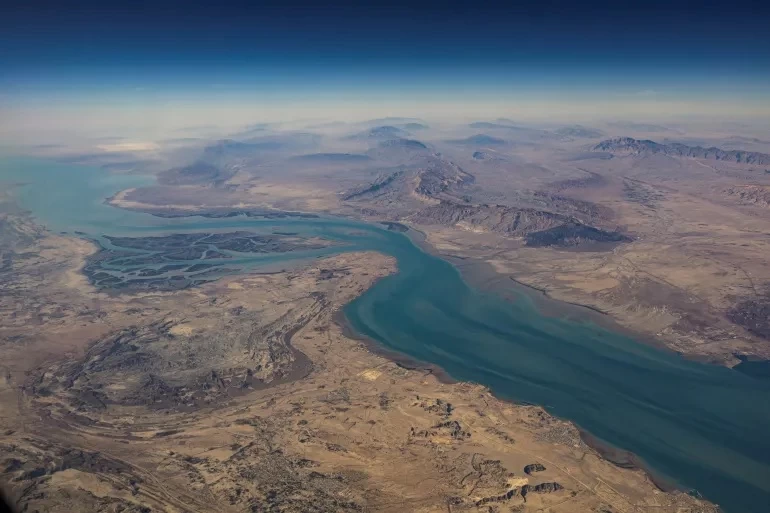
فيما تنقضي مهلة الرئيس الأمريكي دونالد ترمب لإيران من أجل إعادة فتح مضيق هرمز خلال ساعات، يتساءل مراقبون عن كيف إعادة تشغيل الممر البحري الإستراتيجي في حال عدم التوصل إلى اتفاق بين واشنطن وطهران لإنهاء الحرب.
وحددت صحيفة «نيويورك تايمز» 4 خيارات بشأن إعادة فتح المضيق، إلا أنها رأت أن المعضلة الحقيقية لا تتعلق باستمرار الحرب فقط، بل بطبيعة المضيق نفسه، الذي تتشابك فيه المصالح الدولية، فضلاً عن صعوبة فرض أمن دائم.
مرافقة قطع بحرية للسفن
ويعتمد الخيار الأول، وفق الصحيفة، على مرافقة السفن التجارية بقطع بحرية، وهو طرح تدفع به فرنسا، في حين تحث واشنطن الأوروبيين وحلفاء آخرين مثل اليابان على حماية السفن التي ترفع أعلامهم.
إلا أن هذا المسار يبدو مكلفاً إلى حد ما، كما أن قدراته الدفاعية لا تضمن ردع كل أشكال الهجوم، خصوصاً إذا عادت إيران إلى استخدام المسيّرات أو الضربات الخاطفة التي يكفي بعضها لإرباك شركات التأمين ومالكي السفن.
كاسحات الألغام لتطهير المضيق
فيما يركز الخيار الثاني، على إرسال كاسحات ألغام لتطهير المضيق بعد الحرب، بيد أن هذا الاحتمال بحسب تقرير الصحيفة تصاحبه شكوك من مسؤولين عسكريين غربيين في أن تكون إيران قد زرعت ألغاماً، ما يجعل هذا الخيار محدود الجدوى، أو مجرد أداة داعمة ضمن ترتيبات أوسع.
حماية جوية عبر طائرات مقاتلة
أما الخيار الثالث، فإنه يعتمد على توفير حماية جوية عبر طائرات مقاتلة ومسيّرات لاعتراض أي هجمات على السفن. لكنَّ هذا الخيار مثل سابقيه، يظل مرتفع الكلفة، ولا يقدّم ضماناً كاملاً؛ لأن ضربة ناجحة واحدة قد تكفي لتقويض الثقة بالممر كله.
الضغط الدبلوماسي والوسائل العسكرية
ويبدو أن الخيار الرابع هو الأقرب إلى الواقعية من وجهة نظر الصحيفة الأمريكية، إذ إنه يجمع بين الضغط الدبلوماسي والوسائل العسكرية، ما يعني دفع إيران عبر التفاوض والضغوط الاقتصادية إلى الامتناع عن استهداف السفن، مع إبقاء أدوات الردع حاضرة لفرض ذلك.
وأفاد التقرير بأن هذا المسار لا يقدّم مخرجاً مضموناً أيضاً، خصوصاً أن المفاوضات لم تنجح حتى الآن، في حين أعلنت طهران أنها تعتزم مواصلة التحكم بحركة المرور في المضيق حتى بعد توقف القتال، بل وفرض رسوم عبور على السفن.
As the deadline for U.S. President Donald Trump for Iran to reopen the Strait of Hormuz approaches in a matter of hours, observers are questioning how to reactivate the strategic waterway in the absence of an agreement between Washington and Tehran to end the war.
The New York Times identified four options regarding the reopening of the strait, but it noted that the real dilemma is not only about the continuation of the war, but also about the nature of the strait itself, where international interests are intertwined, in addition to the difficulty of enforcing lasting security.
Naval escorts for ships
The first option, according to the newspaper, relies on escorting commercial ships with naval vessels, a proposal pushed by France, while Washington urges Europeans and other allies like Japan to protect ships flying their flags.
However, this path seems somewhat costly, and its defensive capabilities do not guarantee the deterrence of all forms of attack, especially if Iran resumes the use of drones or swift strikes, some of which could be sufficient to confuse insurance companies and shipowners.
Mine sweepers to clear the strait
The second option focuses on sending mine sweepers to clear the strait after the war; however, this possibility, according to the newspaper's report, is accompanied by doubts from Western military officials about whether Iran has planted mines, which makes this option of limited utility or merely a supporting tool within broader arrangements.
Aerial protection via fighter jets
The third option relies on providing aerial protection through fighter jets and drones to intercept any attacks on ships. But like the previous options, this one remains costly and does not offer a complete guarantee; because a single successful strike could be enough to undermine confidence in the entire passage.
Diplomatic pressure and military means
The fourth option seems to be the most realistic from the perspective of the American newspaper, as it combines diplomatic pressure and military means, which means pushing Iran through negotiations and economic pressures to refrain from targeting ships, while keeping deterrence tools present to enforce that.
The report indicated that this path does not provide a guaranteed exit either, especially since negotiations have not been successful so far, while Tehran has announced its intention to continue controlling traffic in the strait even after the fighting stops, and even impose transit fees on ships.